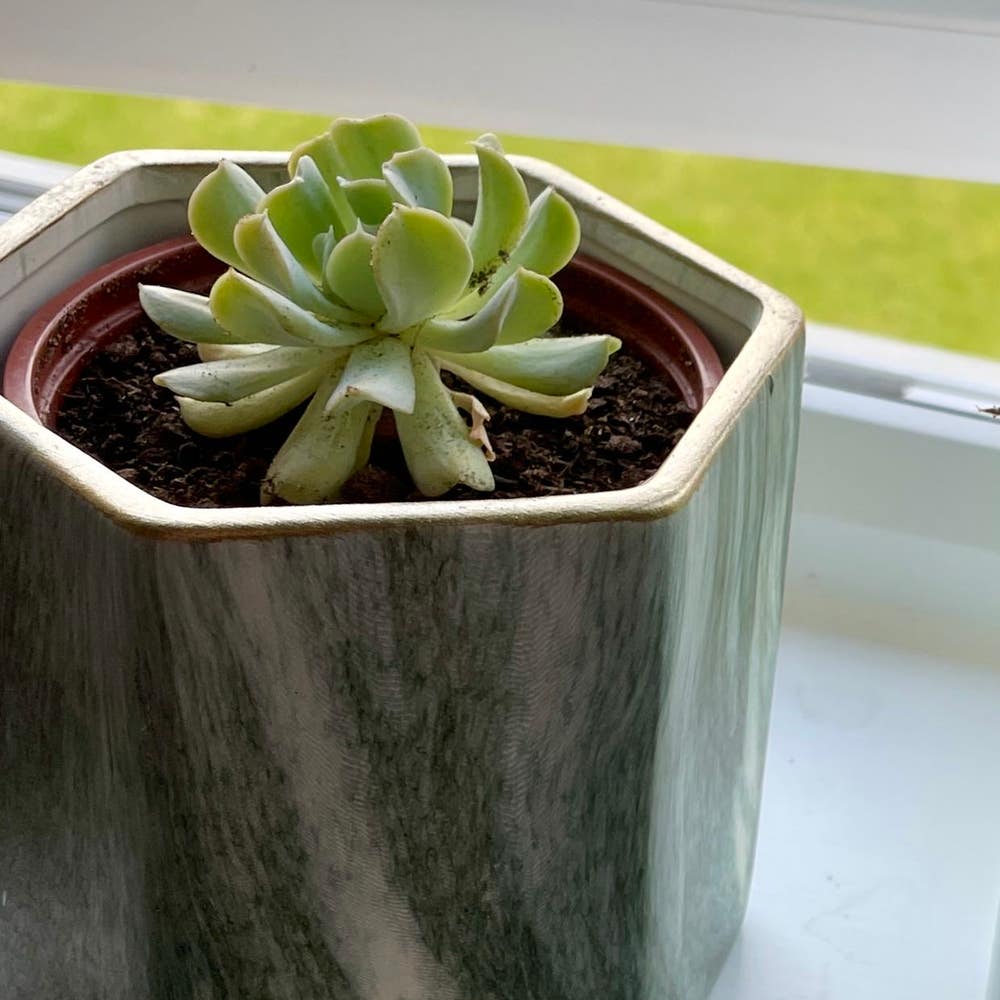
Propagating My Echeveria 'Topsy Turvy': Step-by-Step Guide
Echeveria runyonii 'Topsy Turvy'
By the Greg Editorial Team
Jun 18, 2024•5 min read
This article was created with the help of AI so we can cover more plants for you. May contain errors. See one? Report it here.
- 🌱 Three propagation methods: leaf cuttings, offsets, and stem cuttings.
- 💧 Water wisely: infrequent, deep watering to soil for healthy growth.
- 🕰️ Patience is key: significant changes in propagation take weeks.
Kickstarting Propagation: Choosing Your Method
Dive into the world of Echeveria 'Topsy Turvy' propagation by selecting the right method for your plant.
🌱 Leaf Cuttings
Selecting leaves is crucial; choose plump, healthy ones for the best shot at success. Gently twist the leaf from the stem, ensuring a clean break. Let the leaf callous over for a few days before placing it on well-draining soil.
🌿 Offsets (Pups) Division
Offsets are your plant's gift to you. Spot these mini-me's at the base of the parent plant. With a gentle hand, separate them, ensuring each pup has roots attached. Plant them in their own space to start a new generation.
🌱 Stem Cuttings
For stem cuttings, it's all about the right snip. Choose a healthy stem and cut it with a clean, sharp tool. Strip the lower leaves, let the cut end dry, and consider dipping it in rooting hormone before planting. Patience is key as you wait for new roots to form.

Nurturing Your Propagations: The Early Days
💡 Creating the Ideal Environment
Light is the energy drink for your cuttings, but balance is key. Too much direct sun and you'll have crispy leaves; too little and they'll languish. Aim for a bright spot with indirect sunlight to cheer on those new shoots without overwhelming them.
🚰 Watering Wisdom
Watering should be a thoughtful affair—deep yet infrequent. Let the soil dry out slightly between waterings. It's like a trust exercise with your plants: keep them slightly thirsty so they reach out with their roots, but don't leave them parched.
Keeping Cuttings Happy
For your cuttings, think of watering as a precision art. Water directly to the soil, avoiding the leaves as if they were an awkward encounter. This technique prevents mildew and keeps your cuttings thriving.
Pup Care
When it comes to pups, they don't need a mansion—just a cozy pot with well-draining soil. Keep the soil slightly moist at first to help them settle into their new home.
🕵️ Monitoring and Adjusting
Keep an eye on your propagations like they're the last cookie in the jar. New growth is your green thumbs-up, but watch for distress signals like wilting or yellowing leaves. Adjust your care routine as needed, and remember, patience is more than a virtue in propagation—it's a necessity.

Overcoming Propagation Pitfalls
🌱 Recognizing and Fixing Early Signs of Trouble
Root rot is the grim reaper of propagation, turning robust roots into mush. If you spot soggy, brown roots, it’s time for surgery. Trim the rot and let the healthy parts callous before replanting in fresh soil. Overwatering is often the villain here, so keep your watering can in check.
Wilting leaves can be a cry for help due to thirst, heat, or a cramped pot. If it's not a water issue and your plant isn't sunbathing too much, consider giving it a bigger home. More space below equals more growth above.
🌱 Dealing with Slow Growers and No-Show Roots
Patience isn't just a virtue; it's a necessity. Roots can be shy, taking weeks to make an appearance. Don’t rush to repot; give them time to become strong. Slow growth doesn't always spell disaster—it could just mean your plant prefers life in the slow lane.
If your propagation is more stagnant than a pond, it might be longing for light. Ensure it’s getting its daily dose of bright, indirect sunlight without getting a sunburn. And remember, less is often more when it comes to water—aim for moist, not drenched soil.

Watching Them Flourish: What to Expect
🌱 The Growth Timeline: From Cutting to Full Plant
After the initial rooting, shoot development is your green light that the Echeveria 'Topsy Turvy' is on its way to independence. This isn't a sprint; it's a marathon of patience and observation. Your detective's notebook of developments will now start to show more thrilling entries: robust growth, new leaves unfurling, and perhaps even the start of a flower bud.
Expect a timeline that's more of a leisurely stroll than a race. Significant changes will unfold over weeks, not days. If growth seems sluggish, reassess light and water conditions. It's a story of growth, resilience, and beauty, with each new leaf a chapter in its own right.
🌿 Transitioning to Regular Care
Once your Echeveria 'Topsy Turvy' cuttings show a healthy root system and new growth, it's time for the big move. Transitioning to regular care means finding the right pot and soil mix that allows your succulent to thrive. Think of it as a teenager moving out—needing support but also room to flourish.
Regular check-ins are still crucial. Observe your plants every few days for signs of growth or distress, and adjust care routines as needed. Avoid direct sunlight initially, as it can be overwhelming. Gradually introduce them to their new environment, letting them acclimate to the light and room conditions at their own pace. Keep an eye out for new growth—it's the plant's way of giving a thumbs up. If the leaves
⚠️ Safety First
This content is for general information and may contain errors, omissions, or outdated details. It is not medical, veterinary advice, or an endorsement of therapeutic claims.
Always consult a qualified healthcare professional before using any plant as food, medicine, or supplement.
Never eat any plant (or feed one to pets) without confirming its identity with at least two trusted sources.
If you suspect poisoning, call Poison Control (800) 222-1222, the Pet Poison Helpline (800) 213-6680, or your local emergency service immediately.
Spotted an error? Please report it here.
Propagate your Echeveria 'Topsy Turvy' with confidence as Greg 🌱 offers tailored reminders and care tips to nurture every new leaf on this rewarding journey.