Why Are My Echeveria 'Topsy Turvy' Leaves Droopy?
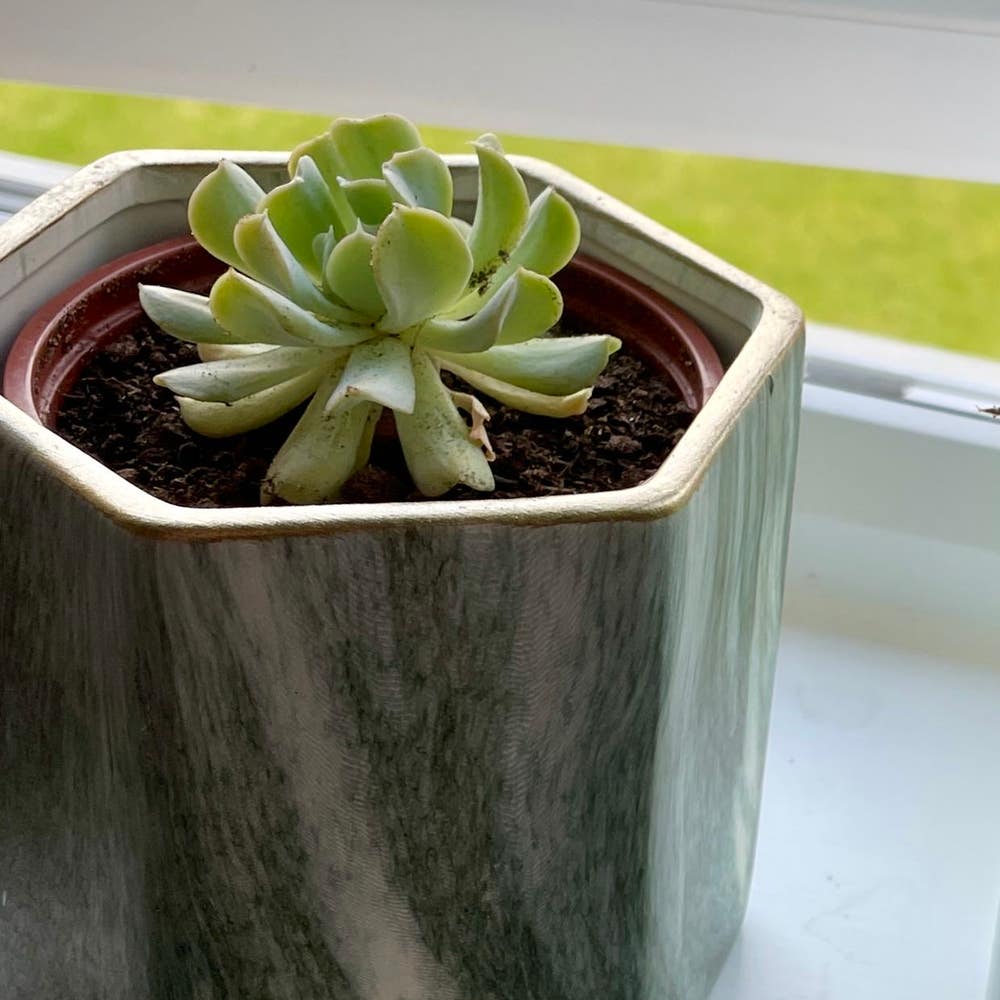
Echeveria runyonii 'Topsy Turvy'
By the Greg Editorial Team
Jun 18, 2024•4 min read
This article was created with the help of AI so we can cover more plants for you. May contain errors. See one? Report it here.
- Yellow/translucent or crispy leaves? Overwatering and underwatering are likely culprits.
- Soil mix and light matter: Use well-draining soil and ensure ample indirect light.
- Echeveria resilience: Proper care can revive droopy 'Topsy Turvy' leaves.
Spotting the Signs of Distress
🚰 Telltale Symptoms of Overwatering
Yellowing or translucent leaves are the plant's version of waving a white flag. If your Echeveria 'Topsy Turvy' has leaves that feel mushy or look more waterlogged than a sponge, it's time to cut back on the H2O. Fungus or mold on the soil is like nature's version of a "Do Not Enter" sign, indicating you've overdone the watering.
🏜️ The Underwatering Clues
When your plant's leaves resemble a raisin more than a succulent, it's a clear thirst signal. Crispy, shriveled leaves are crying out for a drink. If the soil is pulling away from the pot's edge, it's not playing hard to get; it's parched and needs hydration.
🚰 When Poor Drainage Takes Its Toll
If the soil feels like a wet bathmat days after watering, you've got a drainage issue. Waterlogged soil can turn your Echeveria's leaves as droopy as a Monday morning mood. Ensure your potting mix isn't holding onto water like a grudge.
🌞 Sunlight Shortage and Droopy Leaves
Limp leaves can be a sign of a sunlight deficit. Think of your Echeveria as a solar panel; without enough light, it can't function properly. If your plant is stretching out like it's trying to snag something just out of reach, it's probably craving more rays.

Turning the Tide on Droopiness
🚰 Fine-Tuning Your Watering Technique
Watering your Echeveria 'Topsy Turvy' is less about sticking to a schedule and more about understanding its needs. Use the finger test or a moisture meter to check soil dryness before giving it a drink. If the top inch of soil is dry, it's time to water. But remember, consistency is key – erratic watering leads to droopy leaves.
🌱 Soil Mix Mastery
The right soil mix is crucial for preventing droopy leaves. Aim for a well-draining mix, combining potting soil with sand or perlite. This ensures excess water escapes quickly, leaving your 'Topsy Turvy' with just the right amount of moisture. Think of it as creating a comfy bed for your plant's roots.
🌞 Let There Be Light
Sunlight is to Echeveria what coffee is to humans – absolutely essential. Place your plant in a spot where it can bask in plenty of indirect light. If it starts stretching or leaning, it's begging for more. Rotate the pot periodically for even growth and to prevent the droop.

Emergency Interventions
🚱 The Quick Fix for Overwatered Echeveria
Halt the waterworks if your Echeveria 'Topsy Turvy' is drowning in excess moisture. Here's how to navigate the soggy situation:
- Remove the plant from its pot to assess the damage. Gently shake off excess soil and inspect the roots.
- Trim away any black or mushy roots with sterilized scissors—these are beyond saving.
- Repot the plant in fresh, dry, well-draining soil. Be sure the new pot has drainage holes.
- Wait before watering again. Give the plant time to recover in a warm, bright spot without direct sunlight.
- Monitor the soil and only water when it's dry an inch below the surface. Your Echeveria will thank you.
💧 Reviving an Underwatered Plant
When your 'Topsy Turvy' is as parched as a desert, it's time for a drink. But not just a sip—a deep soak is in order:
- Submerge the pot in water for 5-10 minutes until you feel moisture at the soil's surface.
- Drain thoroughly. Let excess water escape to avoid trading one problem for another.
- Place the plant back in its sunny spot and resist the urge to water again too soon.
- Check the soil regularly. When the top inch is dry, it's time for another careful watering.
Remember, your Echeveria is resilient. With these emergency tactics, it can bounce back from the brink.

⚠️ Safety First
This content is for general information and may contain errors, omissions, or outdated details. It is not medical, veterinary advice, or an endorsement of therapeutic claims.
Always consult a qualified healthcare professional before using any plant as food, medicine, or supplement.
Never eat any plant (or feed one to pets) without confirming its identity with at least two trusted sources.
If you suspect poisoning, call Poison Control (800) 222-1222, the Pet Poison Helpline (800) 213-6680, or your local emergency service immediately.
Spotted an error? Please report it here.
Revive your Echeveria 'Topsy Turvy' from droopy to dazzling 🌵 with Greg's personalized watering reminders tailored to your plant's unique environment and needs.