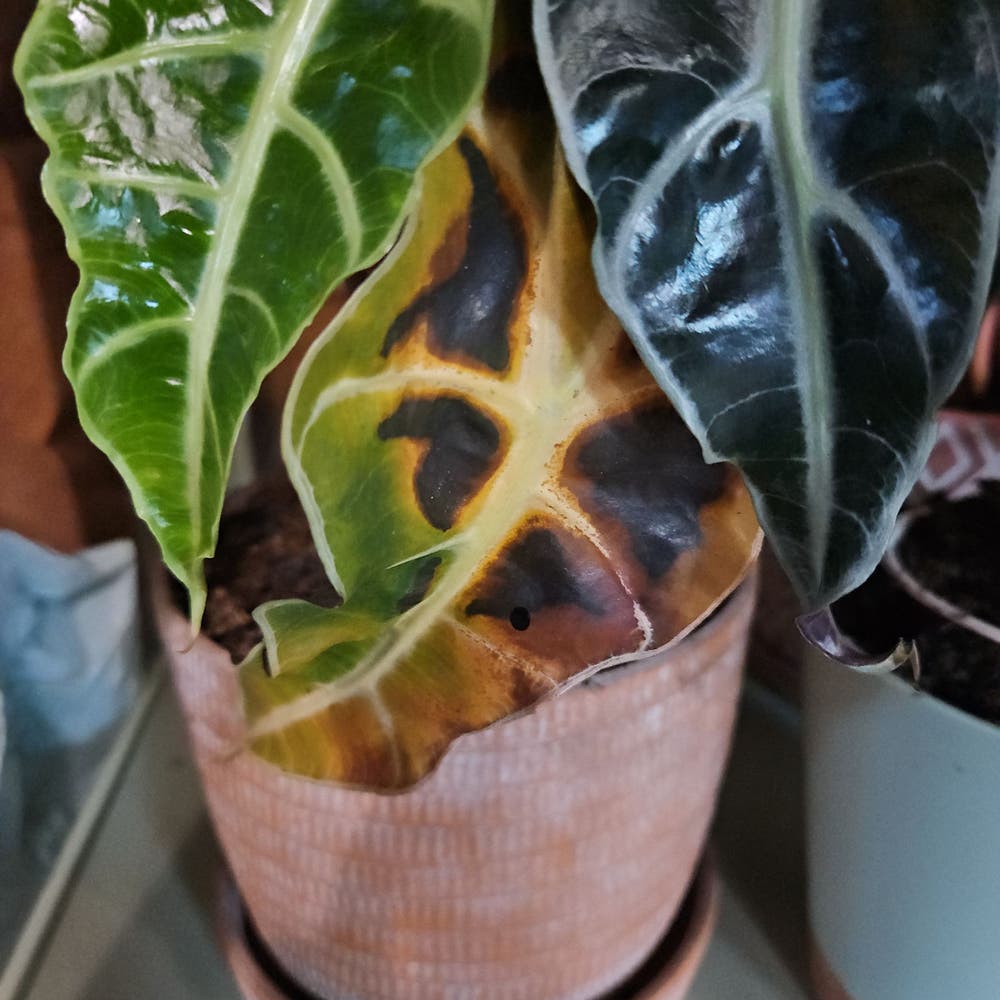
🔍 Best Tips for Dealing with Brown Spots on Arum
Arum spp.
By the Greg Editorial Team
Oct 18, 2024•7 min read
This article was created with the help of AI so we can cover more plants for you. May contain errors. See one? Report it here.
- 🌱 Identify causes of brown spots: fungal, bacterial, or environmental issues require different treatments.
- 💧 Maintain consistent moisture: use well-draining soil and check moisture levels regularly.
- 🌞 Provide ideal conditions: bright, indirect sunlight and stable temperatures prevent stress and browning.
Diagnosing the Issue
🌱 Differentiating Between Fungal, Bacterial, and Environmental Causes
Identifying the cause of brown spots on your Arum is crucial for effective treatment. Understanding whether the issue stems from fungal infections, bacterial problems, or environmental factors can guide your next steps.
Fungal Infections
Fungal infections typically present as circular spots with a defined edge. If you notice these signs, consider using fungicides and improving air circulation around your plant to combat the issue.
Bacterial Issues
Bacterial problems manifest as water-soaked spots that spread quickly. To address this, remove any affected leaves and avoid overhead watering to prevent further contamination.
Environmental Factors
Uniform browning often indicates environmental issues related to care practices. Adjust your care routine based on the specific problems you've identified to restore your plant's health.
💧 Assessing Watering Practices and Soil Conditions
Proper watering and soil conditions are vital for your Arum's well-being. Evaluating these factors can help you pinpoint issues contributing to brown spots.
Soil Moisture Levels
Aim for consistently moist soil that isn't soggy. Use the finger test or a moisture meter to check moisture levels and ensure your plant is getting the right amount of water.
Drainage Assessment
Well-draining soil is essential for preventing root rot and other issues. Look for signs of poor drainage, such as standing water or compacted soil, and make necessary adjustments to improve drainage.
By diagnosing the issue accurately and assessing your watering practices and soil conditions, you can take effective steps toward restoring your Arum's health. Next, we'll explore various treatment options to tackle these problems head-on.
Treatment Options
Step-by-Step Guide to Treating Fungal Infections 🌱
Treating fungal infections on your Arum requires a systematic approach. Start by identifying the type of fungal infection affecting your plant.
Next, remove any affected leaves to prevent the spread of the infection. This step is crucial for maintaining the overall health of your Arum.
After that, apply the appropriate fungicide based on the identified infection. Ensure you follow the instructions carefully for the best results.
Improving air circulation around the plant is also essential. This can help reduce humidity levels that favor fungal growth.
Finally, monitor your plant for any signs of recurrence. Regular checks will help you catch issues early and keep your Arum thriving.
Nutrient Supplementation for Deficiencies 🥦
Identifying nutrient deficiencies in your Arum is key to promoting healthy growth. Look for changes in leaf color and growth patterns as indicators.
For balanced nutrition, consider using NPK fertilizers. These provide essential nitrogen, phosphorus, and potassium.
You might also want to supplement with specific nutrients like magnesium. This can help address particular deficiencies that may arise.
When it comes to application methods, both liquid and granular fertilizers have their merits. Choose what works best for your routine and plant needs.
Timing is also important; apply fertilizers during active growth periods for maximum effectiveness. This ensures your Arum gets the nutrients it needs when it needs them most.
Adjusting Watering Techniques 💧
Establishing a consistent watering schedule is vital for your Arum's health. Aim to water every 1-2 weeks, adjusting based on your plant's specific conditions.
Deep watering techniques can encourage robust root growth. This method allows water to penetrate deeper into the soil, promoting a healthier plant.
Be vigilant for signs of overwatering, such as leaf yellowing and wilting. These symptoms can indicate root rot, which can be detrimental to your Arum's health.
By fine-tuning your watering practices, you can help your Arum flourish. This proactive approach will set the stage for a vibrant, healthy plant.
Transition to Preventive Measures 🚀
With treatment options in place, it's essential to consider preventive measures. By adopting best practices for watering, light conditions, and pest inspections, you can safeguard your Arum against future issues.
Preventive Measures
Best Practices for Watering and Drainage 🌊
Proper watering and drainage are crucial for keeping your Arum healthy.
Watering Techniques: Always use pots with drainage holes to prevent water from pooling at the bottom. This helps avoid root rot and keeps your plant thriving.
Avoiding Water Accumulation: Make sure to empty any saucers under your pots. Standing water can lead to fungal issues and other complications.
Soil Recommendations: Opt for a well-draining potting mix enriched with organic matter. This combination promotes healthy root growth and prevents waterlogging.
Optimal Light Conditions for Arum ☀️
Light plays a significant role in the health of your Arum.
Light Requirements: Aim for bright, indirect sunlight to keep your plant vibrant. Direct sunlight can scorch the leaves, leading to unsightly brown spots.
Adjusting Placement: Be mindful of seasonal changes. As the sun's angle shifts, you may need to move your Arum to ensure it receives the right amount of light throughout the year.
Regular Inspection for Pests and Diseases 🔍
Keeping an eye on your plant can save you from bigger issues down the line.
Common Pests: Watch out for spider mites, which leave webbing and stippled leaves. Aphids can also be a problem, showing up as sticky residue and curled leaves.
Inspection Frequency: Conduct weekly checks to catch any pests early. Early detection is key to maintaining a healthy plant and preventing infestations.
By implementing these preventive measures, you can significantly enhance the health of your Arum. This proactive approach not only keeps your plant looking great but also minimizes the risk of brown spots and other issues.
Next, let’s explore seasonal considerations that can further optimize your care routine.
Seasonal Considerations
Seasonal Changes Affecting Arum Health 🌱
Spring marks the active growth phase for Arum plants. During this time, increase watering and feeding to support their vibrant growth.
In summer, keep an eye out for sunburn. Adjust light exposure to prevent damage from harsh rays.
As fall approaches, prepare your Arum for dormancy. This means reducing watering to help the plant rest.
Winter requires minimal care. Ensure your Arum is protected from frost to survive the colder months.
Adjusting Care Routines Based on Growth Cycles 🔄
Understanding the growth cycle of your Arum is crucial. Recognize the difference between active growth and dormancy to tailor your care effectively.
During active growth, increase fertilization and watering. In contrast, during dormancy, scale back these practices to align with the plant's natural rhythms.
By adjusting your care routines based on these cycles, you’ll promote a healthier, more resilient Arum. This proactive approach can make all the difference in maintaining its beauty and vitality.
Common Misconceptions
🐛 Myths About Brown Spots and Arum Care
One common misconception is that brown spots on Arum plants are always caused by pests. In reality, these spots can also stem from environmental factors or diseases, making it essential to assess the overall care conditions.
Another myth is that all Arum varieties require the same care. Each species has unique needs, so understanding the specific requirements of your plant is crucial for its health.
🌫️ Clarifying the Role of Humidity and Temperature
Humidity plays a significant role in the well-being of Arum plants. Ideally, they thrive in a humidity range of 40-60%. Low humidity can lead to leaf browning and stress, impacting the plant's overall vitality.
Temperature is equally important. Arum plants prefer temperatures between 15°C to 25°C (59°F to 77°F). Extreme temperatures can cause stress and browning, so maintaining a stable environment is key to their health.
Understanding these misconceptions can help you provide better care for your Arum plants. With the right knowledge, you can create an environment where they flourish, setting the stage for the next section on seasonal considerations.
⚠️ Safety First
This content is for general information and may contain errors, omissions, or outdated details. It is not medical, veterinary advice, or an endorsement of therapeutic claims.
Always consult a qualified healthcare professional before using any plant as food, medicine, or supplement.
Never eat any plant (or feed one to pets) without confirming its identity with at least two trusted sources.
If you suspect poisoning, call Poison Control (800) 222-1222, the Pet Poison Helpline (800) 213-6680, or your local emergency service immediately.
Spotted an error? Please report it here.
Transform your Arum's health and banish brown spots 🌿 with Greg's tailored care tips and watering reminders that ensure your plant thrives beautifully!