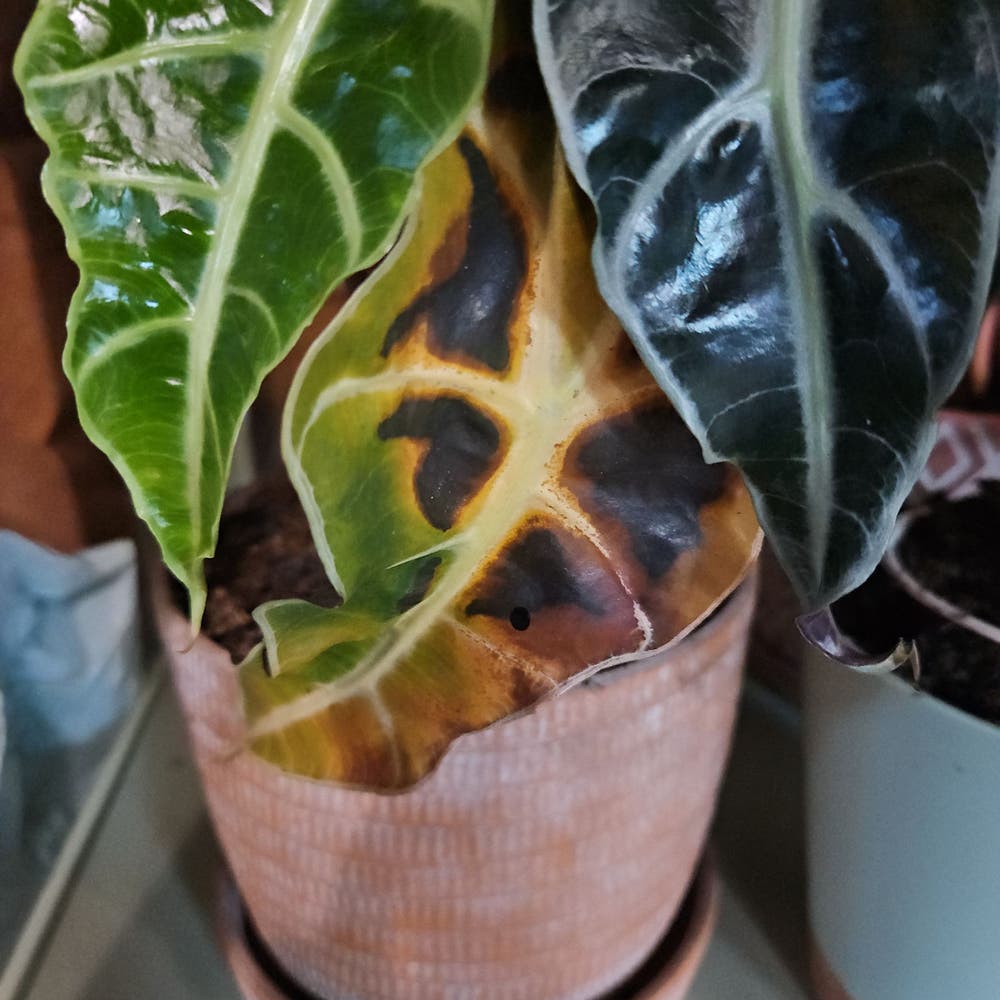
What to Do About Dropping Leaves on Your Arum 🍂
Arum spp.
By the Greg Editorial Team
Oct 18, 2024•6 min read
This article was created with the help of AI so we can cover more plants for you. May contain errors. See one? Report it here.
- 💧 Overwatering and underwatering cause leaf drop; check soil moisture regularly.
- 🌡️ Maintain 15°C to 25°C temperature and 50%-70% humidity for optimal Arum health.
- 🐛 Monitor for pests and diseases early to prevent significant damage and leaf loss.
Causes of Leaf Drop
💧 Overwatering and Its Effects
Overwatering is a common issue that can lead to significant problems for your Arum. Symptoms include yellowing leaves and wilting, even when the soil feels wet.
Root rot is another serious consequence, resulting in mushy, dark roots. This condition reduces oxygen availability to the roots, making your plant more susceptible to diseases.
🚰 Underwatering and Dehydration
On the flip side, underwatering can also cause distress. Look for crispy, brown leaf edges and drooping leaves as key indicators.
When underwatered, the soil may pull away from the pot edges, leading to stunted growth and leaf drop. Long-term dehydration can severely damage root systems, making recovery difficult.
🌡️ Environmental Stress Factors
Temperature
Your Arum thrives in a temperature range of 15°C to 25°C (59°F to 77°F). Extreme temperatures can be detrimental; cold drafts may cause leaf drop, while heat stress can lead to wilting.
💨 Humidity
Maintaining optimal humidity levels between 50% and 70% is crucial. Low humidity can result in leaf curling and browning, as well as an increased risk of pest infestations.
🐛 Pest Infestations
Pests can wreak havoc on your Arum's health. Common culprits include aphids, which leave sticky residue and distort leaves, and spider mites, known for their webbing and stippled leaves.
The damage from these pests weakens the plant and contributes to increased leaf drop. Regular monitoring can help catch infestations early.
🦠 Diseases Affecting Leaves
Diseases can also lead to leaf drop in Arum plants. Root rot is characterized by wilting and yellowing leaves, while leaf spot presents as dark lesions that can cause premature leaf drop.
Preventive measures include using disease-resistant varieties and maintaining proper sanitation. Early detection and management are key to keeping your plant healthy.
Understanding these causes of leaf drop is essential for effective care. By addressing these issues promptly, you can help your Arum thrive and enjoy its lush foliage.
Diagnosing Leaf Drop Issues
🌿 Identifying Symptoms
Understanding the symptoms of leaf drop is crucial for maintaining a healthy Arum.
Overwatering
If your Arum is wilting despite wet soil, it’s a classic sign of overwatering. Inspect the roots for rot; mushy, dark roots indicate a serious problem.
Underwatering
On the flip side, crispy, brown leaf edges and drooping leaves signal underwatering. Check if the soil is pulling away from the pot edges; this can lead to dehydration.
Pest Damage
Pest infestations can wreak havoc on your plant. Look for distorted leaves, visible pests, or sticky residue and webbing, which are telltale signs of trouble.
🔍 Differentiating Symptoms
Differentiating between symptoms can be tricky but is essential for effective treatment.
- Disease symptoms are often localized, like dark spots on leaves.
- Environmental stress tends to affect the overall health of the plant, leading to widespread issues.
By recognizing these signs, you can take proactive steps to restore your Arum's vitality. Next, let’s explore preventive measures to keep your plant thriving.
Preventive Measures
Best Watering Practices 🌊
To keep your Arum thriving, start by checking the soil moisture before watering. This simple step ensures you only water when necessary, preventing overwatering.
When you do water, make sure to do it thoroughly until excess drains out. This practice helps the roots absorb moisture effectively.
For added precision, consider using moisture meters. They take the guesswork out of watering, ensuring your plant gets just the right amount.
Ideal Soil Conditions 🌱
The right soil composition is crucial for your Arum's health. Aim for a well-draining mix that includes organic matter to promote healthy root growth.
Maintaining the correct pH level is equally important. Keep it between 6.0 and 7.0 for optimal growth, allowing your plant to absorb nutrients efficiently.
Proper Fertilization Techniques 🌼
During the growing season, use a balanced NPK fertilizer to give your Arum the nutrients it needs. This will support robust growth and vibrant leaves.
Apply fertilizer every 4-6 weeks, but remember to reduce this frequency in winter. Your plant will appreciate the break during its dormant phase.
By following these preventive measures, you can create a nurturing environment for your Arum, minimizing the risk of leaf drop and ensuring it flourishes. Next, let’s explore effective treatment solutions for common issues.
Treatment Solutions
🌊 Steps for Overwatered Arum
If your Arum is suffering from overwatering, the first step is to assess the soil moisture and root condition. Check if the soil is soggy and inspect the roots for any signs of rot.
Next, carefully remove the plant from its pot. Inspect the roots thoroughly and trim away any that are mushy or dark.
Once you've pruned the damaged roots, repot your Arum in fresh, well-draining soil. This will help restore its health and vitality.
Finally, adjust your watering schedule to prevent this issue from recurring. Make sure to check the soil moisture before each watering to ensure you're not overdoing it.
💧 Remedies for Underwatered Arum
For an underwatered Arum, start by soaking the plant in water for about 30 minutes. This will help rehydrate the roots effectively.
After soaking, gradually increase your watering frequency. This will allow the plant to adjust without overwhelming it.
Make it a habit to monitor soil moisture regularly. This proactive approach will help you catch any dehydration issues before they escalate.
🐛 Pest Control Methods
Pest infestations can be a real headache for your Arum. For organic pest control, consider using neem oil or insecticidal soap, especially for pesky aphids.
You can also physically remove pests by hand-picking them off the leaves or using a damp cloth to wipe them away. This hands-on approach can be surprisingly effective.
🦠 Disease Management Strategies
If your Arum is facing root rot, the key is to improve drainage and reduce watering frequency. This will help prevent further damage and promote recovery.
For leaf spot issues, remove any affected leaves promptly. Applying fungicides may also be necessary to manage the spread of the disease.
By taking these treatment solutions into account, you can help your Arum thrive despite the challenges it faces. Next, we'll explore seasonal considerations to ensure your plant receives the best care year-round.
Seasonal Considerations
Adjusting Care Routines Based on Seasons 🌦️
As the seasons change, so should your care routine for your Arum. In spring and summer, increase watering to keep the plant thriving, while reducing it in fall and winter to prevent overwatering.
Fertilization also needs attention. Stop fertilizing during the winter months to allow your plant to rest and recover.
Preparing for Winter Dormancy ❄️
Recognizing the signs of dormancy is crucial for your Arum's health. Look for yellowing leaves and reduced growth, which indicate that your plant is entering a restful phase.
During this time, reduce watering and maintain a stable temperature environment. This will help your Arum conserve energy and prepare for the next growing season.
By adjusting your care routine with the seasons, you set your Arum up for success, ensuring it remains healthy and vibrant year-round.
⚠️ Safety First
This content is for general information and may contain errors, omissions, or outdated details. It is not medical, veterinary advice, or an endorsement of therapeutic claims.
Always consult a qualified healthcare professional before using any plant as food, medicine, or supplement.
Never eat any plant (or feed one to pets) without confirming its identity with at least two trusted sources.
If you suspect poisoning, call Poison Control (800) 222-1222, the Pet Poison Helpline (800) 213-6680, or your local emergency service immediately.
Spotted an error? Please report it here.
Keep your Arum thriving 🌿 by using Greg's tailored watering reminders and pest management tips to prevent leaf drop and ensure a healthy, vibrant plant all year round!