Arum: A Common Weed 🌿
Arum spp.
By the Greg Editorial Team
Aug 24, 2024•8 min read
This article was created with the help of AI so we can cover more plants for you. May contain errors. See one? Report it here.
- 🌱 Arum is a common weed, rapidly spreading and outcompeting native plants for resources.
- 🔍 Identify Arum by heart-shaped leaves and distinctive spathes blooming in spring.
- ⚠️ Control Arum through manual removal and careful herbicide application to protect ecosystems.
Plant Classification
🌱 Definition of Weeds and Invasive Species
Weeds are plants that thrive in places where they aren't wanted, often competing aggressively with cultivated plants. Invasive species, on the other hand, are non-native plants that spread rapidly, causing significant ecological or economic harm.
📊 Criteria for Classifying Arum as a Weed
Arum meets several criteria that classify it as a weed. Its rapid spread allows it to quickly colonize new areas, making it a formidable competitor.
This plant's competitive nature enables it to outcompete native flora for essential resources like sunlight, water, and nutrients. Additionally, Arum's ecological impact is profound; it alters habitats and reduces biodiversity, threatening the balance of local ecosystems.
Understanding these classifications is crucial for effective management and control of Arum. By recognizing its invasive characteristics, we can better appreciate the challenges it poses to native plants and ecosystems.
As we delve deeper into Arum's identification, we will explore its key features and how to distinguish it from similar species.
Identification
Key Identifying Features 🌿
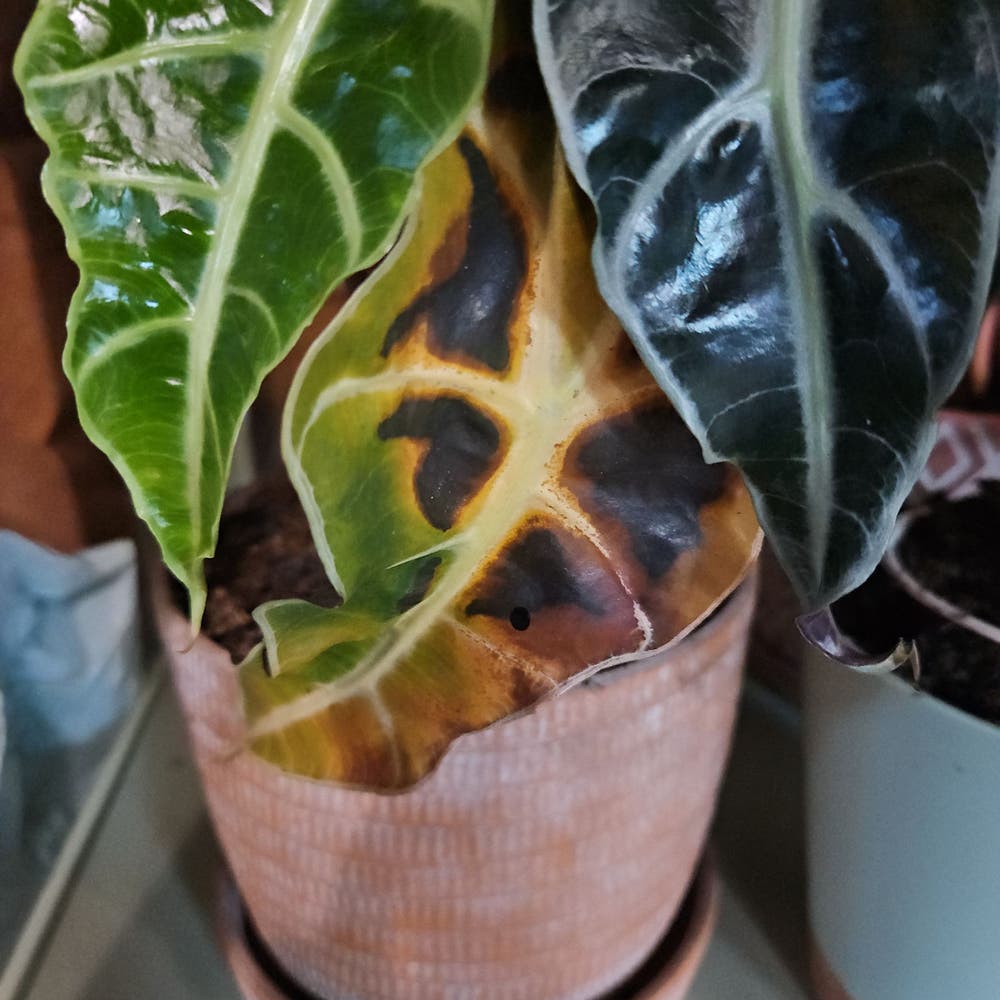
Arum is easily recognizable by its heart-shaped leaves, which can grow up to 12 inches long. These lush green leaves create a striking appearance, especially in spring when the plant begins to bloom.
The distinctive spathes of Arum add to its charm, showcasing color variations that can range from white to greenish hues. Blooming typically occurs in spring, making it a notable sight in moist, shaded areas.
Growth Habit 📏
In terms of growth habit, Arum typically reaches heights of 1 to 3 feet. Its spread can be quite extensive, allowing it to dominate the spaces it occupies.
Comparison with Look-Alike Plants 👀
When comparing Arum to similar species, Jack-in-the-Pulpit often comes to mind. Both plants thrive in similar environments, but they have distinct differences.
Key distinguishing features include the shape of the leaves and the structure of the flowers. While Arum's leaves are heart-shaped, Jack-in-the-Pulpit has more elongated, hooded leaves.
Additionally, their habitat preferences vary slightly, with Arum favoring more consistently moist areas. Recognizing these differences can help prevent confusion between these two fascinating plants.
Understanding these identifying features is crucial for effective management and control of Arum, especially given its invasive nature. With this knowledge, you can better appreciate the complexities of plant identification and the importance of maintaining biodiversity in our ecosystems.
Growth Habits and Spread
Typical Growth Patterns 🌱
Arum is a perennial plant, meaning it lives for multiple years. Its growth cycles vary with the seasons, thriving in moist, shaded environments like woodlands and waterways.
Reproductive Strategies and Methods of Spread 🌼
Arum employs both sexual and asexual reproduction. It produces seeds that germinate under the right conditions, while its rhizomes allow for rapid asexual spread through fragmentation.
Adaptability to Various Environments 🌍
This weed shows remarkable adaptability, thriving in different soil types and moisture levels. Its ability to flourish in disturbed areas significantly contributes to its invasive nature, making it a formidable competitor in various ecosystems.
Understanding these growth habits and reproductive strategies is crucial for effective management. By recognizing how Arum spreads, we can better prepare for the challenges it poses in our gardens and natural habitats.
Ecological Impact
Effects on Native Plant Communities 🌱
Arum competes aggressively with native flora, often displacing them through sheer tenacity. This competition can lead to a significant reduction in biodiversity, disrupting the delicate balance of local ecosystems.
Impact on Wildlife and Biodiversity 🦋
The presence of Arum alters habitat availability for native species, making it harder for them to thrive. This shift can have cascading effects on pollinators and herbivores that rely on native plants for food and shelter.
Influence on Soil and Water Resources 💧
Arum's invasive nature can change soil composition and disrupt nutrient cycling. Additionally, it can impact water availability and quality, affecting not just plants but entire ecosystems that depend on these resources.
Understanding these ecological impacts is crucial for effective management and control of Arum. By recognizing its influence, we can take steps to protect our native ecosystems and promote biodiversity.
Economic or Agricultural Impact
💸 Economic Losses Associated with Arum
Arum's invasive nature leads to significant economic costs for landowners and municipalities. Managing and controlling this weed can drain resources, with expenses related to labor, equipment, and herbicides adding up quickly.
Property values can also take a hit due to the presence of Arum. Land that is overrun by this weed becomes less desirable, affecting usability and marketability.
🚜 Agricultural Challenges Posed by Arum
Farmers face serious competition from Arum, which can outgrow and overshadow crops. In regions where Arum has taken hold, yields can drop, leading to financial strain for those reliant on agriculture.
Increased management costs are another burden for farmers and landowners. Regular monitoring and control measures are necessary to keep Arum at bay, diverting funds from other essential farming activities.
Understanding the economic implications of Arum is crucial for effective management strategies. By addressing these challenges, landowners can protect their investments and maintain the health of their ecosystems.
Control and Management
🧤 Manual Removal Techniques
Manual removal is an effective way to control Arum, though it requires some effort.
- Timing: The best seasons for removal are early spring or late fall when the plant is actively growing.
- Tools Needed: Equip yourself with gloves, spades, and trowels to ensure a thorough job.
- Method: Focus on removing the entire root system to prevent regrowth. This is crucial for long-term control.
🧪 Chemical Control Options and Best Practices
Herbicides can be effective against Arum, but they must be used carefully.
- Overview of Herbicides: Look for products specifically labeled for use against invasive plants. Glyphosate-based herbicides are commonly recommended.
- Application Techniques: Apply during the plant's active growth phase for maximum effectiveness. Always follow the manufacturer's instructions.
- Safety Precautions: Wear protective gear and avoid applying on windy days to prevent drift onto desirable plants.
🦠 Biological Control Methods
Exploring biological control methods can offer sustainable solutions.
- Potential Natural Predators: Research is ongoing into natural predators that could help manage Arum populations.
- Current Research: Scientists are investigating competitors that could thrive in the same habitats, potentially limiting Arum's spread.
🚫 Preventive Measures to Limit Spread
Preventing Arum from establishing in new areas is vital.
- Best Practices for Garden Management: Regularly monitor your garden for signs of Arum and remove any new growth immediately.
- Importance of Monitoring: Early intervention is key. Keeping an eye on your landscape can save you from larger infestations later.
🔍 Importance of Early Detection and Rapid Response
Identifying new infestations quickly can make a significant difference.
- Strategies for Identifying New Infestations: Familiarize yourself with Arum's identifying features to spot it early.
- Benefits of Quick Action: The sooner you act, the easier it is to control the spread. Quick responses can prevent a small problem from becoming a major issue.
By implementing these control and management strategies, you can effectively combat Arum and protect your local ecosystem. Next, let’s delve into the legal status surrounding this invasive species and what it means for gardeners and land managers.
Legal Status
Laws and Regulations Regarding Arum 🌍
Understanding the legal landscape surrounding Arum is crucial for effective management. Both local and national regulations often classify it as an invasive species, which can lead to restrictions on its cultivation and transport.
Many jurisdictions have specific laws aimed at controlling invasive plants. These regulations may include mandatory reporting of infestations and guidelines for removal.
Requirements for Removal or Control in Specific Areas ⚠️
Land managers and gardeners must adhere to established guidelines for the removal of Arum. These often include best practices for eradication and recommendations for monitoring affected areas.
Non-compliance can lead to penalties, including fines or restrictions on land use. Awareness of these regulations is essential for responsible management.
Implications for Gardeners and Land Managers 🌱
Gardeners and land managers bear the responsibility of controlling invasive species like Arum. This includes understanding local laws and implementing effective management strategies.
Resources are available to help with compliance and best practices. Engaging with local environmental organizations can provide valuable support and information.
In summary, being informed about the legal status of Arum not only aids in its management but also contributes to the health of local ecosystems. As we move forward, understanding these regulations will empower us to take action against invasive species effectively.
Potential Benefits or Uses
📜 Historical Uses
Arum has a rich history of traditional uses, particularly in medicine and cuisine. In various cultures, its roots were utilized for their supposed healing properties, while the leaves often found their way into local dishes.
🍽️ Current Beneficial Uses
Today, the practical applications of Arum are limited. While some may still explore its culinary potential, the overwhelming negative impacts of its invasiveness overshadow any benefits it might offer.
⚠️ Conclusion on Negative Impacts
Ultimately, the invasive characteristics of Arum far outweigh its potential benefits. It's crucial for gardeners and land managers to prioritize responsible management and control efforts to protect native ecosystems.
⚠️ Safety First
This content is for general information and may contain errors, omissions, or outdated details. It is not medical, veterinary advice, or an endorsement of therapeutic claims.
Always consult a qualified healthcare professional before using any plant as food, medicine, or supplement.
Never eat any plant (or feed one to pets) without confirming its identity with at least two trusted sources.
If you suspect poisoning, call Poison Control (800) 222-1222, the Pet Poison Helpline (800) 213-6680, or your local emergency service immediately.
Spotted an error? Please report it here.
Combat the invasive Arum weed 🌱 with Greg's plant identification tools, ensuring your garden flourishes while protecting local ecosystems!