Signs Your Arum Has Root Rot and How to Fix It
Arum spp.
By the Greg Editorial Team
Oct 18, 2024•4 min read
This article was created with the help of AI so we can cover more plants for you. May contain errors. See one? Report it here.
- 🌱 Early detection of root rot is vital to save your Arum from damage.
- 👀 Signs include leaf discoloration, wilting, and foul soil odor—watch for these!
- 🛠️ Trim black, mushy roots and disinfect pots to effectively treat root rot.
Identifying Root Rot Symptoms
Visual Signs 🌿
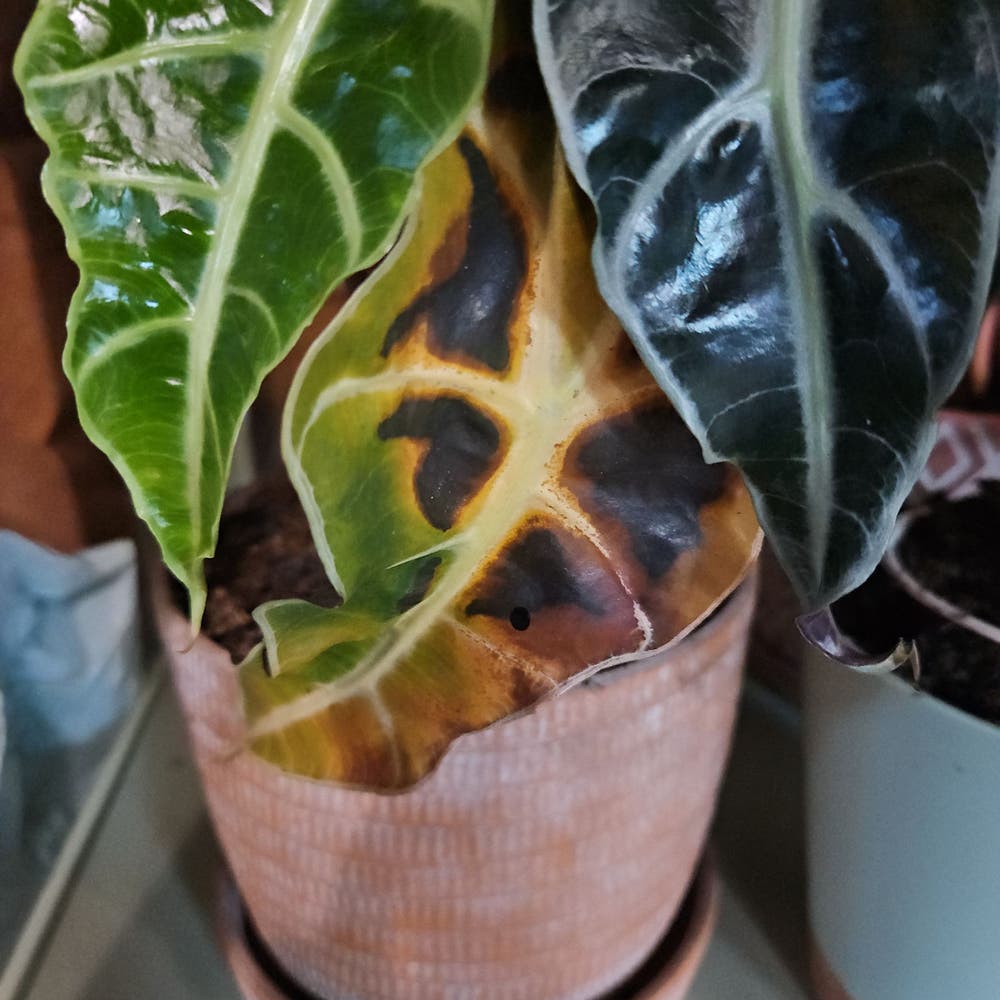
Recognizing root rot early can save your Arum from severe damage. Look for leaf discoloration; yellowing or browning leaves often signal trouble.
Another red flag is wilting despite adequate watering. This indicates internal root damage that needs immediate attention.
Lastly, a foul odor emanating from the soil or roots is a clear sign of decay. If you catch a rotten smell, it’s time to investigate further.
Root Examination Techniques 🔍
To assess root health, you first need to safely remove the plant from its pot. Gently loosen the soil around the roots to minimize stress on the plant.
Once out, inspect the roots closely. Healthy roots are firm and white, while rotting roots appear black and mushy. This contrast is crucial for diagnosing root rot.
Distinguishing from Other Issues 🕵️♂️
It’s essential to differentiate root rot from other plant diseases. Symptoms like leaf discoloration can also indicate pests or nutrient deficiencies.
Consider the context of your plant's environment. Factors like humidity, temperature, and recent care practices can provide valuable clues to the underlying issue.
By understanding these symptoms and their context, you can take the right steps to help your Arum thrive once again.
Fixing Root Rot
📝 Step-by-Step Guide
Remove the plant from the pot: Start by gently loosening the soil around the roots. This step is crucial to minimize stress on the plant while you assess its condition.
Inspect and trim affected roots: Look for black, mushy roots that indicate rot. Use sterilized scissors to cut these away, ensuring you only remove the unhealthy parts.
Clean the pot: After removing the plant, disinfect the pot with a bleach solution. This helps eliminate any lingering pathogens that could harm your plant in the future.
✂️ Safely Removing Affected Roots
Techniques for Cutting Roots
When trimming roots, aim to minimize damage to the healthy ones. Make clean cuts and avoid tearing, as this can lead to further complications.
Importance of Sterilization
Sterilizing your tools is essential. This prevents the spread of infection and ensures that your plant has the best chance of recovery.
🧪 Recommended Treatments
Use of Fungicides
Consider using fungicides specifically designed for Arum. Follow the application instructions carefully to ensure effectiveness without harming the plant.
Natural Remedies
If you prefer a gentler approach, natural remedies like cinnamon or hydrogen peroxide can be effective. These options help treat the roots without harsh chemicals, promoting a healthier recovery.
By following these steps, you can effectively address root rot and give your Arum a fighting chance. Next, let’s explore how to prevent root rot from occurring in the first place.
Preventing Root Rot
Best Practices for Watering 🌊
Establishing a consistent watering schedule is crucial for your Arum's health. Adjust the frequency and amount based on seasonal changes to ensure your plant thrives.
Watch for signs of overwatering, such as yellowing leaves or soggy soil. These indicators can help you prevent root rot before it becomes a problem.
Importance of Soil Type and Drainage 🏺
Choosing the right soil mixture is essential for optimal drainage. A blend that includes organic matter and coarse materials can significantly reduce the risk of root rot.
To improve drainage, consider adding perlite or sand to your soil. These materials enhance aeration, allowing roots to breathe and reducing moisture retention.
Seasonal Care Tips 🌦️
During wet seasons, it's vital to adjust your care routine. Modifying your watering practices can help prevent excess moisture from accumulating around the roots.
Keep an eye on environmental conditions, such as humidity and temperature changes. Monitoring these factors will help you make informed adjustments to your plant care.
By implementing these preventive measures, you can significantly reduce the risk of root rot in your Arum. Next, let’s explore how to effectively monitor your plant’s recovery after treatment.
Post-Treatment Care
Monitoring Recovery 🌱
After treatment, keep a close eye on the soil moisture. Regular checks will help ensure you’re not overwatering your Arum, which can lead to further issues.
Also, observe the health of the leaves. Changes in color and texture can provide valuable insights into how well your plant is recovering.
Signs of Improvement 🌿
Look for signs of new growth as a clear indicator that your plant is bouncing back. Fresh leaves or shoots signal that the recovery process is underway.
Additionally, check the roots. Firm, white roots are a positive sign of health and vitality, indicating that your Arum is on the mend.
Long-Term Care Strategies 🛠️
Establish a routine for regular monitoring and care. Consistent attention will help maintain root health and prevent future problems.
Educate yourself on the specific needs of your Arum varieties. Understanding their unique requirements can make a significant difference in their long-term health and resilience.
By following these post-treatment care tips, you can ensure your Arum thrives and flourishes in the long run. Next, let’s explore how to prevent root rot from occurring in the first place.
⚠️ Safety First
This content is for general information and may contain errors, omissions, or outdated details. It is not medical, veterinary advice, or an endorsement of therapeutic claims.
Always consult a qualified healthcare professional before using any plant as food, medicine, or supplement.
Never eat any plant (or feed one to pets) without confirming its identity with at least two trusted sources.
If you suspect poisoning, call Poison Control (800) 222-1222, the Pet Poison Helpline (800) 213-6680, or your local emergency service immediately.
Spotted an error? Please report it here.
Spotting root rot early is key to saving your Arum, and with Greg's tailored care tips and reminders, you'll be empowered to keep your plant thriving 🌿 and root rot-free!