Arum Is a Perennial
Arum spp.
By the Greg Editorial Team
Aug 24, 2024•5 min read
This article was created with the help of AI so we can cover more plants for you. May contain errors. See one? Report it here.
- 🌱 Arum thrives year-round, requiring no replanting, making it a gardener's dream.
- 🌼 Spring brings vibrant flowers as Arum reawakens from winter dormancy.
- 🌍 Adaptable to various climates, Arum flourishes in USDA zones 5 to 9.
Characteristics of Arum as a Perennial
🌱 Multi-Year Lifecycle
Arum is a remarkable perennial that thrives over multiple seasons. Its ability to survive and flourish year after year sets it apart from annual and biennial plants, which must be replanted regularly.
This longevity offers distinct advantages, such as reduced labor and cost for gardeners. With Arum, you can enjoy vibrant growth without the hassle of replanting each season.
🌿 Growth Patterns and Regrowth from Roots
One of the key features of Arum is its robust root system. It regrows from established roots, ensuring consistent growth each year, which is a hallmark of perennials.
Visually, Arum showcases lush foliage and striking flowers that indicate healthy growth. These characteristics not only enhance your garden's aesthetics but also signal that your Arum is thriving.
With its multi-year lifecycle and strong growth patterns, Arum is a fantastic choice for any garden enthusiast. Next, let’s explore how seasonal changes impact its growth and flowering.
Seasonal Changes and Dormancy
Dormancy Periods 🌙
Dormancy in Arum typically occurs during the winter months. This phase leads to a temporary halt in growth, allowing the plant to conserve energy and nutrients.
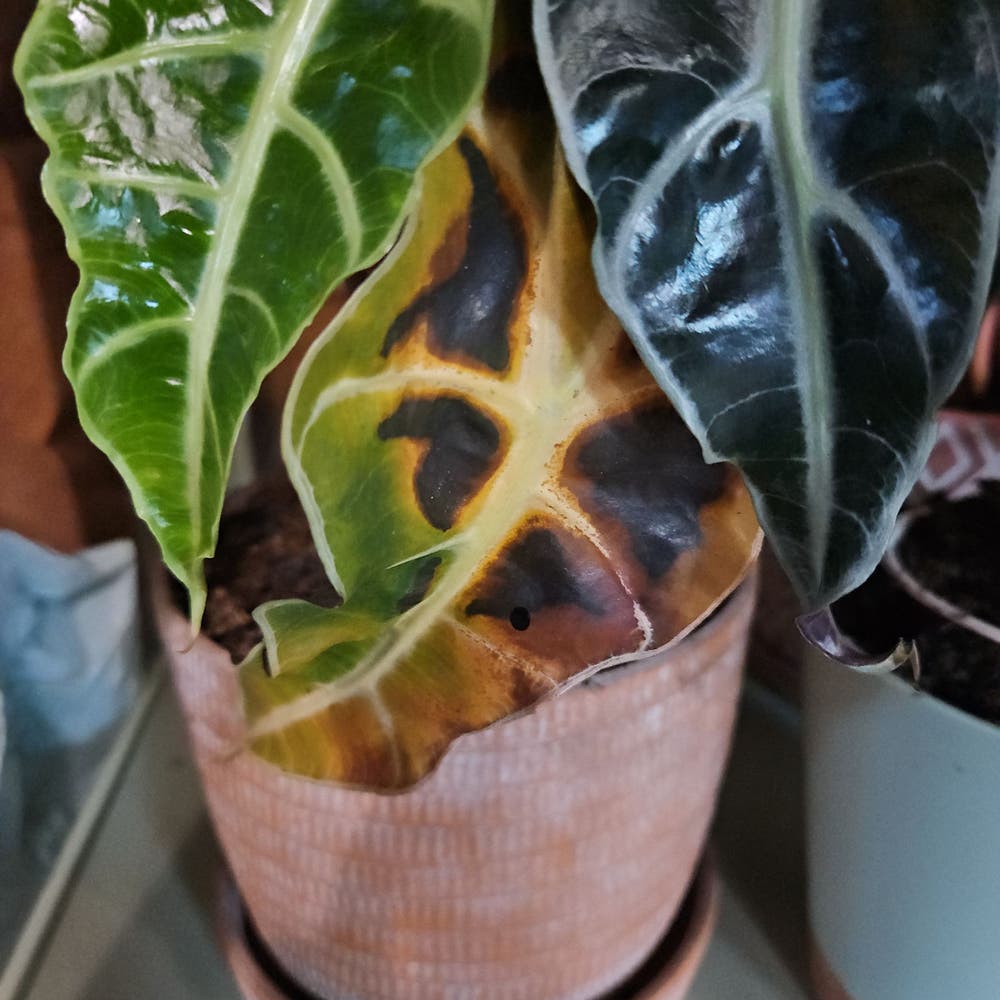
Signs of dormancy are quite noticeable. You may observe yellowing leaves, reduced activity, and a general slowdown in growth.
Seasonal Changes Affecting Growth and Flowering 🌼
As spring arrives, Arum reawakens with renewed vigor. New growth emerges, often accompanied by vibrant flowers that signal the start of a new cycle.
Seasonal temperatures play a crucial role in this process. Variations in warmth can affect flowering times and overall growth patterns, making it essential to monitor local climate conditions.
Understanding these seasonal changes helps gardeners appreciate the resilience of Arum. By recognizing its dormancy and growth cycles, you can better plan for a thriving garden.
Advantages of Arum's Perennial Nature
🌱 Benefits for Gardeners
One of the standout advantages of Arum is its perennial nature, which significantly reduces the need for replanting each year. This means less time and effort spent on annual planting, allowing gardeners to enjoy a more hassle-free experience.
Established root systems are another key benefit. These deep-rooted plants contribute to soil stability and moisture retention, making them a valuable addition to any garden. Their robust roots help prevent erosion and maintain soil health, which is essential for a thriving garden ecosystem.
⏳ Expected Lifespan and Influencing Factors
Under optimal conditions, Arum can live for several years, often thriving for a decade or more. This longevity makes it a reliable choice for gardeners looking for lasting beauty.
However, several factors can influence Arum's lifespan. Soil quality, climate, and care practices play crucial roles in determining how long these plants will flourish. Ensuring well-drained soil and providing appropriate care can significantly extend their life, while neglect can shorten it.
In summary, Arum's perennial nature not only simplifies gardening but also contributes to a more sustainable and vibrant landscape. As we explore further, we'll look into how climate variations impact Arum's growth and longevity.
Variations Across Climate Zones
🌍 Influence of Climate on Perennial Behavior
Arum plants showcase impressive adaptability across various climate conditions. Different species of Arum can thrive in diverse environments, from temperate regions to subtropical areas.
USDA hardiness zones play a crucial role in determining where Arum can flourish. Generally, Arum does best in zones 5 to 9, where temperatures are mild enough to support its growth year-round.
⏳ Factors Affecting Longevity in Various Conditions
Soil type and drainage are vital for Arum's health. Well-draining soil prevents root rot and encourages robust growth, allowing the plant to thrive over multiple seasons.
Temperature extremes can significantly impact Arum's growth and dormancy. While some species can withstand cold winters, excessive heat can stress the plant, affecting its flowering and overall vitality.
Understanding these factors helps gardeners maximize the benefits of Arum in their landscapes. By choosing the right conditions, you can ensure a vibrant, long-lasting display of these beautiful perennials.
As we explore the advantages of Arum's perennial nature, let's dive into how to cultivate these plants effectively in your garden.
Maximizing Benefits in Garden Planning
Tips for Long-Term Cultivation 🌱
When planting Arum, consider spacing them adequately to allow for their natural growth. Aim for about 12 to 18 inches apart to ensure good air circulation and prevent overcrowding.
Soil preparation is crucial for healthy Arum plants. They thrive in well-draining soil enriched with organic matter, so mix in compost or well-rotted manure before planting.
Regular maintenance is key to keeping your Arum flourishing. Water them consistently, especially during dry spells, and remove any dead foliage to promote new growth.
Strategies for Integrating Arum into Garden Designs 🌼
Companion planting can enhance the beauty and health of your garden. Consider pairing Arum with ferns or hostas, which thrive in similar conditions and create a lush, layered look.
Timing is everything when it comes to planting and care. Aim to plant Arum in early spring, and keep an eye on seasonal changes to adjust your care routine, ensuring they receive the attention they need throughout the year.
By following these tips and strategies, you can maximize the benefits of Arum in your garden. Their perennial nature not only adds beauty but also reduces the need for frequent replanting, making them a smart choice for any gardener.
⚠️ Safety First
This content is for general information and may contain errors, omissions, or outdated details. It is not medical, veterinary advice, or an endorsement of therapeutic claims.
Always consult a qualified healthcare professional before using any plant as food, medicine, or supplement.
Never eat any plant (or feed one to pets) without confirming its identity with at least two trusted sources.
If you suspect poisoning, call Poison Control (800) 222-1222, the Pet Poison Helpline (800) 213-6680, or your local emergency service immediately.
Spotted an error? Please report it here.
Cultivate a thriving garden 🌱 with Arum, and let Greg provide tailored care reminders to keep your perennial beauty flourishing effortlessly!