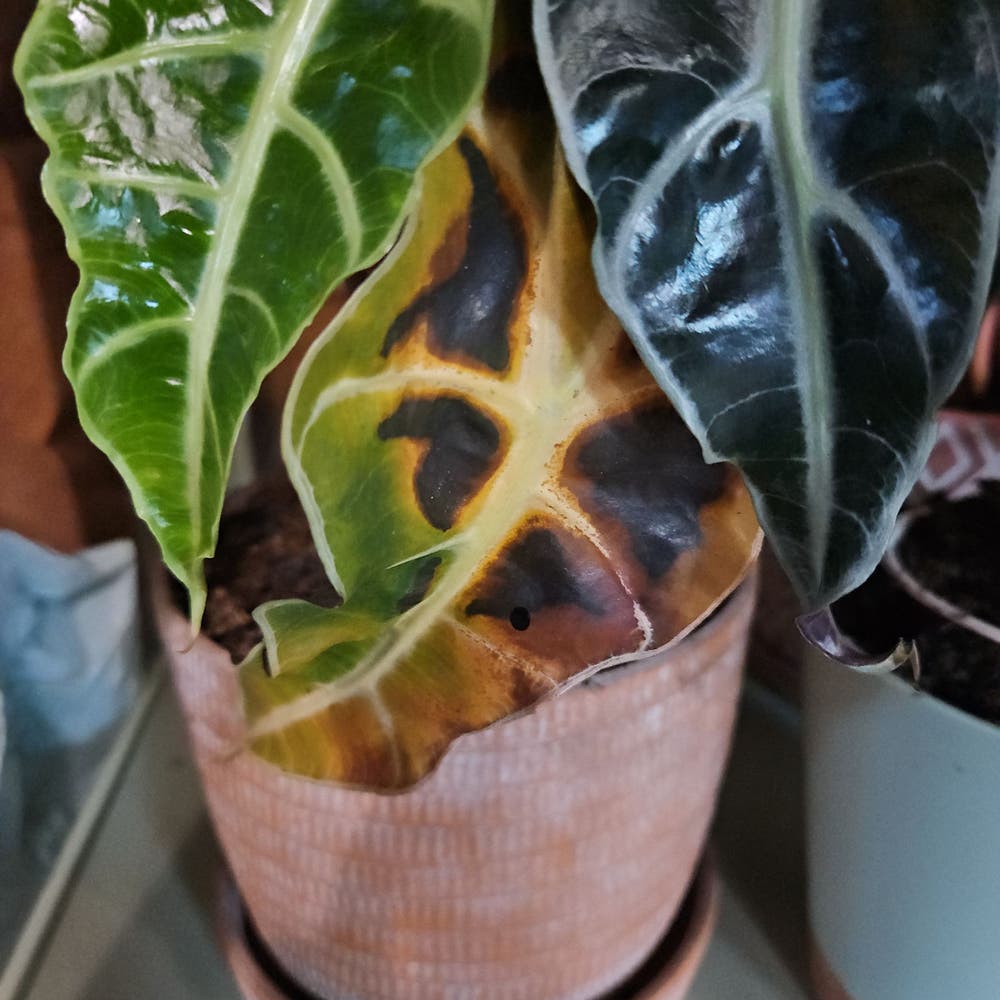
🍃 Understanding Curling Leaves on Your Arum
Arum spp.
By the Greg Editorial Team
Oct 18, 2024•5 min read
This article was created with the help of AI so we can cover more plants for you. May contain errors. See one? Report it here.
- 🌡️ Optimal temperatures for Arum are 15°C to 25°C (59°F to 77°F) for growth.
- 🌿 Maintain humidity between 50-70% to prevent curling leaves from low moisture.
- 🐛 Inspect regularly for pests like aphids; they can cause significant leaf curling.
Causes of Leaf Curl
🌪️ Environmental Stress Factors
Temperature fluctuations can wreak havoc on your Arum. Ideally, keep temperatures between 15°C to 25°C (59°F to 77°F) for optimal growth.
Light exposure is another critical factor. Arum plants are sensitive to direct sunlight and thrive best in partial to full shade.
Humidity levels also play a significant role. Aim for a humidity range of 50-70%; low humidity can lead to stress and curling leaves.
🐜 Pests Affecting Arum Leaves
Common pests like aphids and spider mites can be detrimental to your Arum's health. These pests not only invade but also extract vital nutrients from the leaves.
Look for signs of infestation, such as sticky residue, webbing, and distorted leaves. These indicators can lead to significant leaf curling if not addressed promptly.
🥦 Nutrient Deficiencies
Key nutrients such as nitrogen, potassium, and magnesium are essential for healthy Arum growth. A deficiency in these nutrients can manifest as yellowing leaves, stunted growth, and, of course, curling.
Soil testing is crucial to identify nutrient levels. Regular checks can help you maintain a balanced nutrient profile for your plants.
💧 Overwatering and Underwatering
Overwatering can lead to yellowing leaves, root rot, and soggy soil. It's a common mistake that can quickly damage your Arum.
On the flip side, underwatering shows signs like wilting, dry leaf edges, and curling. Aim to water your Arum 1-2 times per week, adjusting based on soil moisture levels.
Understanding these causes of leaf curl can help you take proactive steps to keep your Arum healthy. Next, we’ll explore the symptoms that accompany curling leaves, providing further insight into your plant's condition.
Symptoms of Curling Leaves
🌱 Types of Leaf Curl
When it comes to leaf curl on your Arum, the direction can tell you a lot. Upward curling often signals underwatering or high temperatures, while downward curling typically indicates overwatering or a nutrient deficiency.
🔍 Other Accompanying Symptoms
Keep an eye out for yellowing leaves, which can point to nutrient deficiencies or pest problems. Additionally, wilting is often a sign of underwatering or root issues, so it’s crucial to monitor these symptoms closely.
Understanding these signs can help you take action before the situation worsens. Next, let’s dive into diagnosing the problem to get your Arum back on track.
Diagnosing the Problem
Assessing Environmental Conditions 🌡️
To start diagnosing leaf curl on your Arum, check the temperature and humidity levels. Ideally, your Arum should thrive in temperatures between 15°C to 25°C (59°F to 77°F) and a humidity range of 50-70%.
Next, evaluate the light exposure. Arum plants prefer partial to full shade, so ensure they’re not getting too much direct sunlight, which can lead to stress and curling leaves.
Identifying Pests and Diseases 🐜
Inspect the leaves for common pests like aphids and spider mites. Look for signs such as sticky residue or webbing, which indicate an infestation.
Additionally, recognize any disease symptoms. Fungal infections or bacterial spots can also contribute to leaf curling, so keep an eye out for unusual discoloration or spots on the leaves.
Soil and Watering Analysis 💧
Soil drainage is crucial for your Arum's health. Ensure you’re using well-draining soil to prevent root rot, which can exacerbate leaf curling.
Finally, assess the moisture levels. A moisture meter can help you determine if the soil is too dry or too wet, guiding you in adjusting your watering practices effectively.
By carefully evaluating these factors, you can pinpoint the underlying issues affecting your Arum and take the necessary steps to restore its health. Next, let’s explore treatment options to address these problems effectively.
Treatment Options
🌊 Adjusting Watering Practices
Establishing a consistent watering schedule is crucial for your Arum. Aim to water 1-2 times per week, adjusting based on the season and soil moisture.
To check soil moisture, use simple techniques like the finger test or a moisture meter. This ensures your plant receives just the right amount of water without the risk of overwatering.
🌱 Fertilization Strategies
For optimal growth, consider using a balanced NPK fertilizer. This provides essential nutrients that support healthy leaf development.
Apply fertilizer every 4-6 weeks during the growing season. This regular feeding helps prevent nutrient deficiencies that can lead to curling leaves.
🐛 Pest Control Methods
When it comes to pests, organic options like neem oil or insecticidal soap can be effective. These treatments are gentle on your plant while tackling common pests.
If infestations persist, chemical treatments may be necessary as a last resort. Always follow label instructions to ensure safe application.
🌤️ Environmental Adjustments
Light modifications can significantly impact your Arum's health. If your plant is struggling, consider moving it to a shadier location to reduce stress.
Enhancing humidity is also beneficial. You can use a humidity tray or mist the leaves to create a more favorable environment for your Arum.
By implementing these treatment options, you can help your Arum thrive and prevent further leaf curling. Next, let’s explore preventive measures to keep your plant healthy year-round.
Preventive Measures
Best Practices for Arum Care 🌱
Regular watering is essential for your Arum. Aim to maintain consistent moisture without overwatering, as soggy soil can lead to root rot.
Soil maintenance is equally important. Use well-draining soil and amend it as needed to ensure your plant thrives.
Seasonal Care Tips ☀️
In winter, reduce watering and protect your Arum from frost. This helps the plant conserve energy during its dormant phase.
During summer, increase humidity levels and keep a close eye on pests. A little extra attention can prevent issues before they start.
Regular Monitoring and Maintenance 🔍
Conduct weekly inspections to check for signs of leaf curl and pests. Early detection can save your plant from more significant problems.
Soil testing every six months is a smart move. This helps you monitor nutrient levels and adjust your care routine accordingly.
By following these preventive measures, you can keep your Arum healthy and vibrant. Now, let’s dive into the treatment options if you encounter any issues!
⚠️ Safety First
This content is for general information and may contain errors, omissions, or outdated details. It is not medical, veterinary advice, or an endorsement of therapeutic claims.
Always consult a qualified healthcare professional before using any plant as food, medicine, or supplement.
Never eat any plant (or feed one to pets) without confirming its identity with at least two trusted sources.
If you suspect poisoning, call Poison Control (800) 222-1222, the Pet Poison Helpline (800) 213-6680, or your local emergency service immediately.
Spotted an error? Please report it here.
Keep your Arum's leaves curl-free 🌿 by using Greg's tailored care reminders and moisture checks to create the perfect environment for thriving growth!