Ultimate Guide to Arum Roots 🥔
Arum spp.
By the Greg Editorial Team
Oct 18, 2024•6 min read
This article was created with the help of AI so we can cover more plants for you. May contain errors. See one? Report it here.
- 🌱 Arum roots are rhizomatous, allowing efficient spreading and nutrient absorption.
- 💧 Consistent moisture and well-draining soil prevent root rot and promote health.
- 🌿 Healthy roots are vital for successful propagation and plant vitality.
Type of Root System
🌱 Rhizomatous Roots
Rhizomatous roots are a unique type of root system characterized by horizontal underground stems, or rhizomes. These structures allow the plant to spread efficiently, making them crucial for the survival and propagation of Arum plants.
⚖️ Comparison with Other Root Systems
Unlike taproots, which grow deep into the soil to access water and nutrients, or fibrous roots that spread out near the surface, rhizomatous roots offer a blend of both worlds. They provide stability while also facilitating nutrient uptake and water absorption across a wider area.
🧪 Adaptations for Nutrient Uptake
Arum roots have specific adaptations that enhance their ability to absorb nutrients. Their rhizomatous nature allows them to explore a larger soil volume, ensuring they can access essential minerals and moisture even in less-than-ideal conditions.
💧 Water Absorption Efficiency
These roots are particularly adept at water absorption, thriving in environments where moisture levels fluctuate. This adaptability is vital for Arum plants, enabling them to withstand periods of drought or excessive rainfall without significant stress.
Understanding the rhizomatous root system of Arum plants is essential for effective care and cultivation. This knowledge sets the stage for exploring how these roots influence watering, fertilizing, and transplanting practices.
Root Depth, Spread, and Growth Patterns
Typical Root Depth and Spread 🌱
Arum roots typically reach an average depth of 12 to 18 inches (30 to 45 cm). However, they can spread impressively, extending up to 3 feet (90 cm) horizontally.
Growth Patterns of Arum Roots 🌿
These roots exhibit seasonal growth cycles, with active growth occurring in spring and summer. The rhizomes play a crucial role in the plant's spread and clumping, allowing Arum to thrive in various environments.
Understanding these growth patterns is essential for effective care and maintenance. By recognizing how Arum roots develop, you can better support their health and vitality.
Next, we’ll explore how the root system influences watering needs and fertilization techniques for optimal growth.
Watering, Fertilizing, and Transplanting
🌱 How Root System Affects Watering Needs
Arum roots thrive in consistently moist soil, but they dislike being waterlogged. Aim for a balance where the soil remains damp but drains well to prevent root rot.
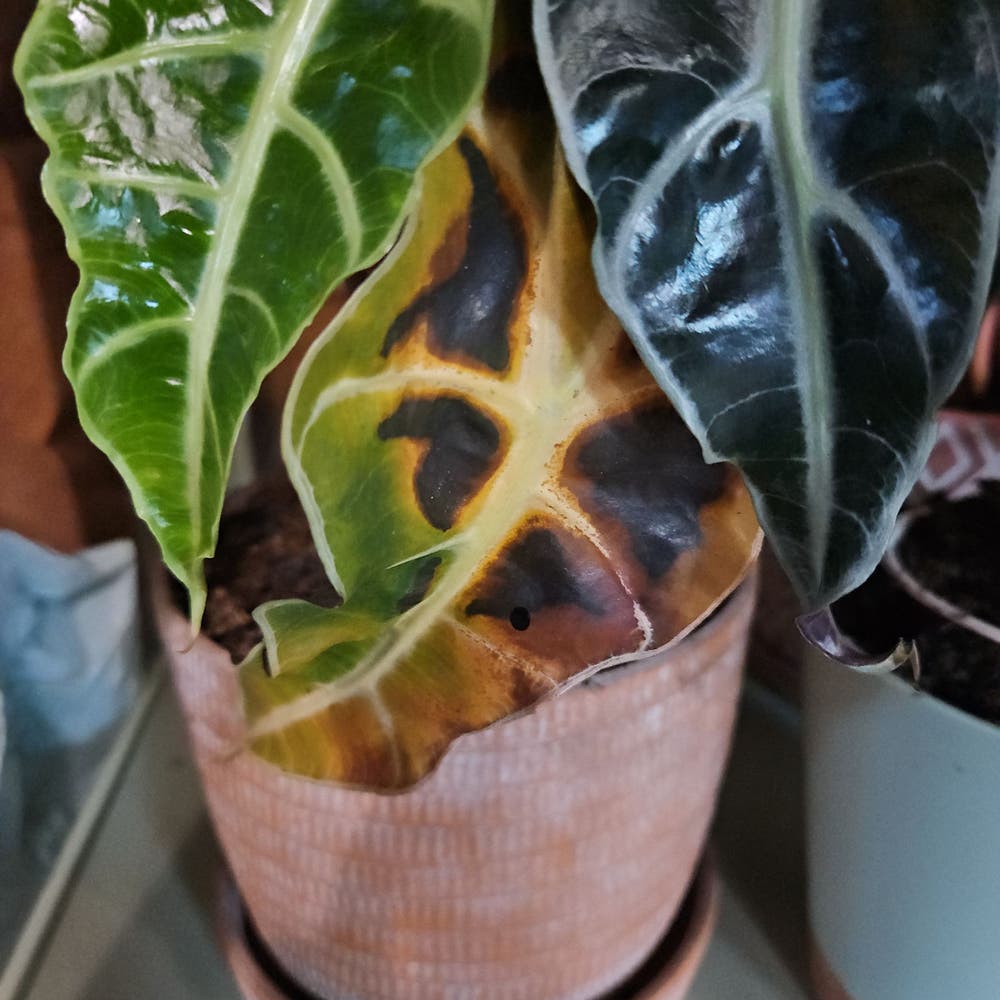
Watch for signs of overwatering, such as wilting or yellowing leaves, and a foul odor from the soil. Conversely, underwatering can lead to drooping foliage and dry, crispy edges on leaves.
🌿 Fertilization Techniques for Healthy Roots
To keep your Arum roots healthy, use a balanced fertilizer with an NPK ratio like 10-10-10. This ensures they receive the essential nutrients they need for robust growth.
Timing is key; fertilize in early spring to kickstart growth and again in mid-summer to sustain vigor. This routine helps your plants flourish throughout the growing season.
🌍 Best Practices for Transplanting Arum
The best time to transplant Arum is in early spring or fall when the plant is less stressed. This timing allows for a smoother transition and better establishment in the new location.
Follow these steps for successful transplanting:
- Prepare the new planting site by loosening the soil and adding organic matter.
- Gently lift the plant, ensuring you preserve as many roots as possible.
- Replant at the same depth in the new location to avoid shocking the plant.
- Water thoroughly after transplanting to help settle the soil around the roots.
By following these guidelines, you can ensure your Arum plants remain healthy and vibrant. Next, we’ll explore common root-related issues that may arise and how to address them effectively.
Common Root-Related Issues
🦠 Identifying Root Rot and Other Diseases
Root rot can be a significant threat to your Arum plants. Look out for symptoms like wilting, yellowing leaves, and a foul odor emanating from the soil.
Fungal infections are common culprits affecting Arum roots. These diseases can quickly spread if not addressed, so vigilance is key.
🛡️ Tips for Preventing Root-Related Problems
Well-draining soil is essential for healthy roots. It helps prevent water from pooling, which can lead to root rot.
Adopt recommended watering practices to avoid overwatering. Ensure the soil remains consistently moist but never soggy.
Regularly inspect roots during repotting. This proactive approach allows you to catch potential issues before they escalate.
By staying informed and attentive, you can maintain the health of your Arum roots and enjoy vibrant, thriving plants. Next, we’ll explore how to recognize and address root health indicators.
Root Health Indicators
Visual Cues of Healthy Roots 🌱
Healthy roots are a gardener's pride. Look for roots that are firm and exhibit a white or light tan color, indicating vitality.
A dense root mass is another sign of vigorous growth. This robust network supports the plant's overall health and nutrient uptake.
Signs of Unhealthy Roots and Corrective Measures ⚠️
Unhealthy roots can spell trouble for your Arum plants. Indicators include dark, mushy roots that may emit a foul smell, signaling rot or disease.
To address these issues, start by pruning the affected roots. Improving drainage in the soil can also prevent future problems, ensuring your plants thrive.
Understanding these root health indicators is crucial for maintaining the vitality of your Arum plants. With proper care, you can foster a flourishing garden that showcases the beauty of healthy roots.
Next, let’s explore common root-related issues and how to tackle them effectively.
Rootbound Plants
Definition and Recognition of Rootbound Conditions 🌱
Rootbound plants occur when roots circle the pot, leading to stunted growth. You can easily identify a rootbound plant if you see roots emerging from the drainage holes.
When and How to Address Rootbound Issues 🛠️
Intervene when you notice growth stagnation or unhealthy signs in your plant.
- Remove the plant from its pot.
- Gently loosen and prune the circling roots.
- Repot in a larger container with fresh soil.
Addressing rootbound conditions promptly will help your Arum thrive and flourish. By ensuring ample space for growth, you set the stage for a healthier plant.
Propagation and Division
🌱 Importance of Root Health in Propagation
Healthy roots are the backbone of successful propagation. They provide the necessary nutrients and stability for new plants, ensuring they thrive in their new environment.
Conversely, propagating from unhealthy plants can lead to a host of issues. Weak or diseased roots may hinder growth and increase the risk of plant failure.
✂️ Step-by-Step Guide to Dividing Arum Plants
Timing
The best time to divide Arum plants is early spring. This timing allows the plants to recover quickly as they enter their active growth phase.
Tools Needed
You'll need a clean, sharp spade or knife. Using the right tools minimizes damage to the roots and ensures a smoother process.
Process
Carefully dig up the plant. Start by loosening the soil around the base to avoid breaking roots.
Divide the rhizomes into sections. Ensure each section has both roots and shoots for the best chance of survival.
Replant immediately in suitable soil. This helps maintain moisture and encourages quick establishment in their new home.
By following these steps, you can effectively propagate and expand your Arum collection, ensuring each new plant has a strong foundation for growth.
Understanding the nuances of root health not only enhances your gardening skills but also fosters a deeper connection with your plants. As we move forward, let’s explore how to identify and address root-related issues to keep your Arum thriving.
⚠️ Safety First
This content is for general information and may contain errors, omissions, or outdated details. It is not medical, veterinary advice, or an endorsement of therapeutic claims.
Always consult a qualified healthcare professional before using any plant as food, medicine, or supplement.
Never eat any plant (or feed one to pets) without confirming its identity with at least two trusted sources.
If you suspect poisoning, call Poison Control (800) 222-1222, the Pet Poison Helpline (800) 213-6680, or your local emergency service immediately.
Spotted an error? Please report it here.
Unlock the secret to thriving Arum roots 🌿 with Greg's tailored watering alerts and nutrient tips, ensuring your plants reach their full potential!