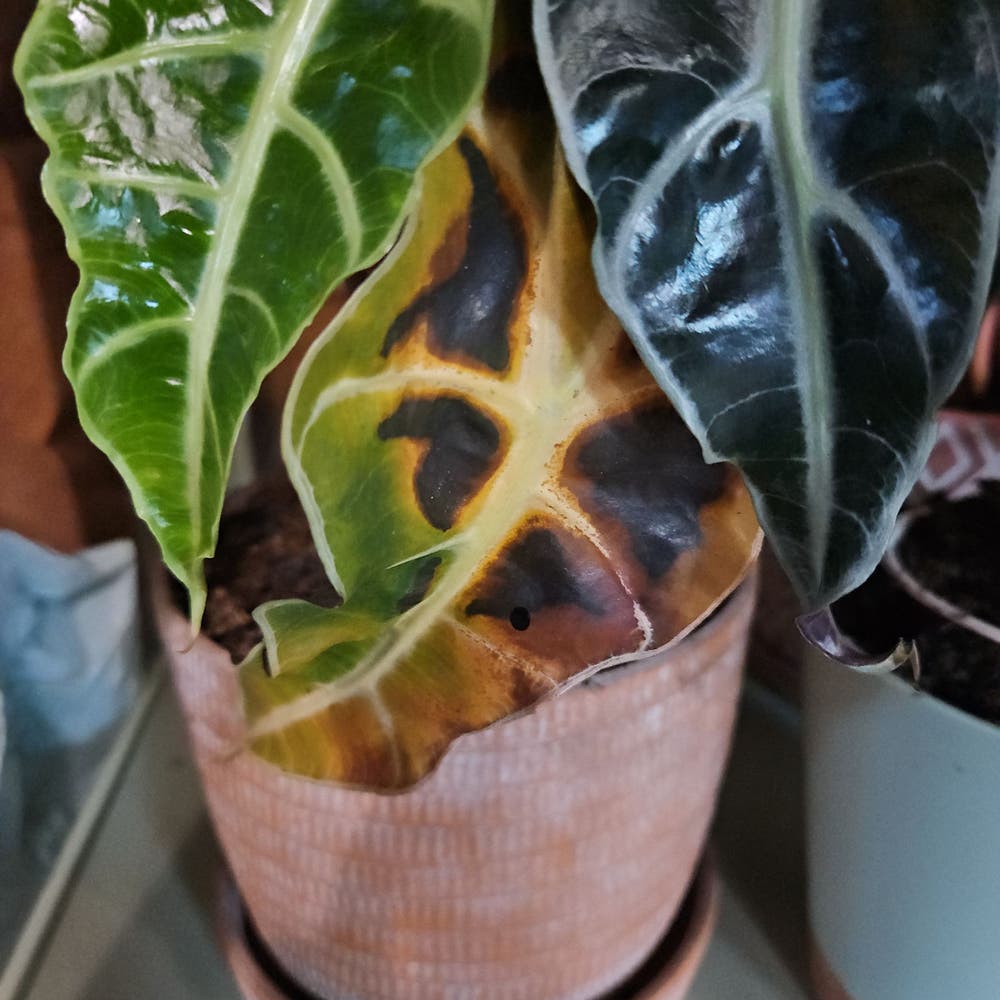
What to Do About Yellow Leaves on Your Arum? 🤔
Arum spp.
By the Greg Editorial Team
Oct 18, 2024•6 min read
This article was created with the help of AI so we can cover more plants for you. May contain errors. See one? Report it here.
- 🌱 Yellow leaves indicate issues like nutrient deficiencies, pests, or improper watering.
- 💧 Overwatering and underwatering both cause yellowing; maintain consistent moisture for health.
- 🐛 Regular pest checks and soil testing are vital for preventing yellow leaves.
Causes of Yellow Leaves
🌱 Nutrient Deficiencies
Nitrogen Deficiency
Yellowing of older leaves and stunted growth are telltale signs of nitrogen deficiency. Nitrogen is crucial for leaf health and overall growth, as it plays a key role in chlorophyll production.
Iron Deficiency
If you notice yellowing between leaf veins while the veins themselves remain green, your Arum may be suffering from iron deficiency. Iron is essential for chlorophyll synthesis, and without it, your plant's vibrant color fades.
💧 Overwatering and Root Rot
Signs of Overwatering
Yellowing leaves, wilting, and mushy roots indicate overwatering. Proper soil drainage is vital for maintaining the health of your Arum.
Root Rot
Root rot often stems from fungal infections caused by prolonged wet conditions. To prevent this, ensure your soil is well-draining to keep roots healthy.
🌵 Underwatering and Drought Stress
Signs of Underwatering
If your Arum's leaves are yellowing, have crispy edges, or are drooping, it may be underwatered. Consistent moisture is essential for the vitality of Arum plants.
Drought Stress
Drought stress can severely impact overall plant vigor and leaf health. Regular watering helps maintain your plant's resilience.
🐛 Pests Affecting Arum
Common Pests
Aphids can cause curled leaves and sticky residue, while spider mites leave fine webbing and stippled leaves. Both pests can lead to yellowing leaves if not addressed promptly.
Impact on Leaf Color
Pest infestations can significantly affect leaf color, making it crucial to monitor your plants regularly for any signs of trouble.
🌡️ Environmental Stress
Temperature Fluctuations
Extreme temperature changes can adversely affect leaf health. Keeping your Arum in a stable environment helps prevent stress.
Humidity Levels
Maintaining appropriate humidity is essential for Arum plants. Low humidity can lead to yellowing leaves and overall decline in plant health.
Understanding these causes is the first step in addressing yellow leaves on your Arum. Next, we’ll explore how to diagnose the specific issues affecting your plant.
Diagnosing Yellow Leaves
👀 Visual Signs to Look For
When your Arum's leaves start turning yellow, it’s crucial to identify the cause. Look closely at the leaf patterns; nutrient deficiencies often show a general yellowing, while overwatering can lead to wilting and mushy roots.
Observing the overall plant condition is equally important. A healthy Arum should have vibrant leaves and sturdy stems, so any deviation can signal underlying issues.
⚖️ Differentiating Between Causes
Overwatering vs. Nutrient Deficiency
To distinguish between overwatering and nutrient deficiency, check for specific signs. Overwatered plants typically exhibit yellowing leaves accompanied by wilting, while nutrient deficiencies often present as yellowing in older leaves with stunted growth.
🐛 Pest Infestation vs. Environmental Stress
Pest infestations can also lead to yellowing leaves. Look for curled leaves or fine webbing, which indicate pests like aphids or spider mites. In contrast, environmental stress from temperature fluctuations or low humidity can cause yellowing but usually affects the entire plant more uniformly.
🧪 Importance of Soil Testing
Soil testing is a game changer for diagnosing yellow leaves. It reveals nutrient deficiencies and helps you understand the soil's pH and nutrient levels, which are vital for Arum health.
For optimal growth, aim for a soil pH between 6.0 and 7.0, with adequate nitrogen, phosphorus, and potassium levels. Regular testing can save your plant from unnecessary stress and help you maintain its vibrant health.
Understanding these signs and conducting soil tests will empower you to take action and restore your Arum to its lush, green glory. Next, let’s explore effective treatments for those pesky yellow leaves.
Treatment for Yellow Leaves
🌊 Adjusting Watering Practices
For Overwatering
If your Arum is suffering from overwatering, the first step is to improve drainage. Consider elevating the pot or adding drainage holes if needed, and reduce your watering frequency to allow the soil to dry out between waterings.
For Underwatering
In cases of underwatering, rehydrate your plant gradually. Soak the soil thoroughly, ensuring water reaches the roots, but avoid flooding to prevent shock.
🌱 Fertilization Methods for Nutrient Deficiencies
Types of Fertilizers
To address nutrient deficiencies, use fertilizers with an appropriate NPK ratio, such as 10-10-10 or 20-20-20. These balanced options provide essential nutrients for robust growth.
Application Timing
Timing is crucial for fertilization. Apply fertilizers during the growing season, typically in spring and summer, to maximize nutrient absorption and support healthy leaf development.
🐛 Pest Control Options
Organic Methods
For pest issues, consider organic solutions like neem oil or insecticidal soap. These methods are effective and safer for your plant and the environment.
Chemical Options
If infestations persist, chemical treatments may be necessary. Use them as a last resort, following the manufacturer's instructions carefully to minimize harm to your Arum.
🌧️ Improving Soil Drainage
Soil Amendments
Enhancing soil drainage is vital for Arum health. Incorporate materials like perlite or sand to improve aeration and prevent waterlogging.
Repotting Techniques
If drainage issues persist, repot your Arum with a well-draining soil mix. Choose a pot that allows for adequate drainage and follow these steps: remove the plant gently, refresh the soil, and ensure the roots are well-positioned.
By addressing these treatment areas, you can restore your Arum's health and vibrancy. Next, let’s explore how to prevent yellow leaves from becoming a recurring issue.
Preventing Yellow Leaves
🌊 Best Practices for Watering
Watering Schedule
Establishing a consistent watering schedule is crucial for your Arum's health. Aim to water when the top inch of soil feels dry, ensuring the plant receives adequate moisture without becoming waterlogged.
Signs of Proper Moisture
To check soil moisture effectively, use your finger or a moisture meter. If the soil feels damp, hold off on watering; if it’s dry, it’s time to hydrate your plant.
🌱 Soil Selection and Amendments
Ideal Soil Composition
Choose a well-draining soil mix for your Arum. Look for a blend that includes organic matter, perlite, or sand to promote drainage and prevent root rot.
Amendment Recommendations
If your existing soil isn’t draining well, consider amending it. Adding perlite or coarse sand can enhance drainage, ensuring your Arum thrives.
🐛 Regular Monitoring for Pests
Inspection Techniques
Regularly inspect your Arum for signs of pests. Look for discolored leaves, webbing, or sticky residue, which can indicate an infestation.
Preventive Measures
Implement preventive measures like companion planting or physical barriers. These strategies can help deter pests before they become a problem.
🌦️ Seasonal Care Tips
Adjusting Care with Seasons
Modify your watering and fertilization practices as the seasons change. In warmer months, your Arum may need more water, while cooler months require less.
Preparing for Dormancy
Before winter, take steps to protect your Arum. Reduce watering and ensure it’s in a suitable location to minimize stress during dormancy.
By following these preventive measures, you can keep your Arum healthy and vibrant, reducing the chances of yellow leaves. Next, let’s explore how to diagnose yellow leaves effectively.
⚠️ Safety First
This content is for general information and may contain errors, omissions, or outdated details. It is not medical, veterinary advice, or an endorsement of therapeutic claims.
Always consult a qualified healthcare professional before using any plant as food, medicine, or supplement.
Never eat any plant (or feed one to pets) without confirming its identity with at least two trusted sources.
If you suspect poisoning, call Poison Control (800) 222-1222, the Pet Poison Helpline (800) 213-6680, or your local emergency service immediately.
Spotted an error? Please report it here.
Transform your Arum's yellow leaves into lush green foliage 🌿 by using Greg's tailored reminders and expert care tips to keep your plant thriving and healthy!