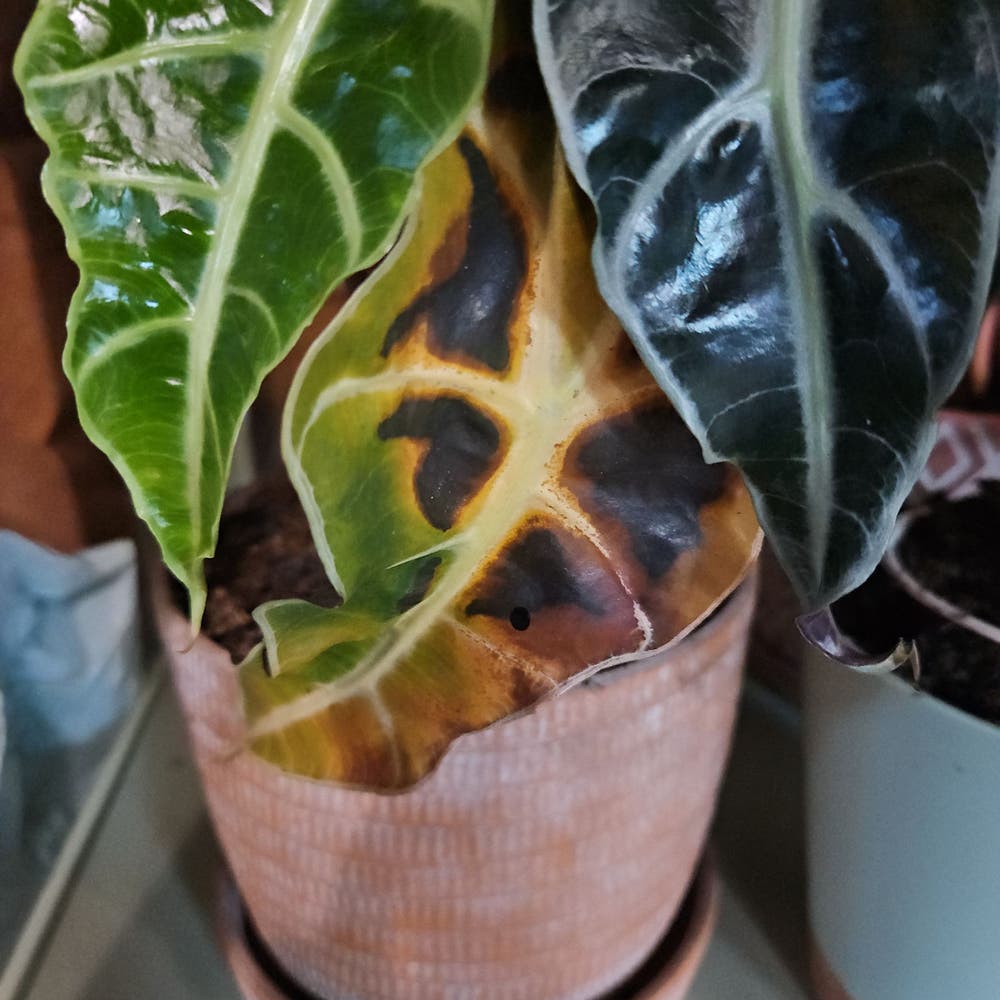
🌸 10 Common Arum Flowering Issues
Arum spp.
By the Greg Editorial Team
Oct 18, 2024•5 min read
This article was created with the help of AI so we can cover more plants for you. May contain errors. See one? Report it here.
- 🌞 Light exposure is crucial; too much or too little hinders Arum flower growth.
- 🌱 Nutritional balance matters; phosphorus and potassium deficiencies lead to poor blooms.
- 🐛 Regular pest checks prevent damage; monitor for aphids and spider mites.
Failure to Bloom
🌞 Potential Causes
Light Requirements
Insufficient light exposure can lead to weak growth in Arum flowers. Conversely, excessive direct sunlight may stress the plant, hindering its ability to bloom.
Nutritional Deficiencies
Lack of essential nutrients, particularly phosphorus and potassium, can stifle flowering. Look for signs like yellowing leaves or poor flower formation to identify these deficiencies.
Environmental Stress
Temperature fluctuations can disrupt the bloom cycle, while poor soil drainage may cause root stress. Both factors can significantly impact the health and flowering of your Arum.
🛠️ Solutions and Preventive Measures
Assess Light Conditions: Adjust the placement of your Arum to ensure it receives adequate light exposure. This is an easy fix that can make a big difference.
Conduct a Soil Test: Identify any nutrient deficiencies through a soil test and amend accordingly. This step requires moderate effort but pays off in healthier blooms.
Ensure Proper Watering: Maintain consistent watering and ensure good drainage to minimize environmental stress. This simple practice can greatly enhance your plant's blooming potential.
By addressing these common causes and implementing effective solutions, you can encourage your Arum to flourish and bloom beautifully. Next, let’s explore the issue of premature flower drop and how to tackle it effectively.
Premature Flower Drop
🐜 Causes
Pest Issues
Pests like aphids and spider mites can wreak havoc on your Arum flowers. These tiny invaders stress the plant, leading to premature flower drop.
Diseases
Fungal infections are another culprit, weakening flowers and making them more susceptible to falling off before they fully bloom. Keeping an eye out for any signs of disease is crucial.
Watering Issues
Inconsistent watering can also cause stress, resulting in bud drop. It's essential to maintain a steady moisture level for optimal growth.
🛠️ Solutions and Preventive Measures
Inspect Regularly: Make it a habit to check your plants for pests. Treat infestations with suitable insecticides or organic methods to keep your flowers healthy. (Difficulty: Moderate)
Monitor for Disease: Stay vigilant for any signs of disease. If you notice issues, apply fungicides as needed to protect your blooms. (Difficulty: Moderate)
Establish a Watering Schedule: Create a consistent watering routine to ensure your Arum receives the moisture it needs. This simple step can significantly reduce stress and prevent premature flower drop. (Difficulty: Easy)
By addressing these common causes and implementing effective solutions, you can help your Arum flowers thrive and enjoy their beauty for longer. Next, let’s explore how environmental factors play a role in flowering success.
Abnormal Flower Development
🌱 Causes
Nutrient Imbalances
Abnormal flower development in Arum can often be traced back to nutrient imbalances. Over-fertilization can lead to poor flower quality, while specific deficiencies, particularly in essential nutrients like phosphorus and potassium, can negatively affect flower structure.
Pruning Mistakes
Improper pruning is another culprit. Incorrect timing or technique can stunt growth, resulting in flowers that fail to thrive. Understanding the right methods is crucial for maintaining the health of your Arum.
🛠️ Solutions and Preventive Measures
Balanced Fertilization: Follow a balanced fertilization schedule tailored to the needs of your Arum. This will help ensure that your plants receive the right nutrients without the risk of over-fertilization.
Proper Pruning Techniques: Educate yourself on proper pruning techniques to avoid damaging the plant. Timing and method are key; make sure to prune at the right time and use the appropriate tools for the best results.
By addressing these factors, you can significantly improve the quality of your Arum flowers. This proactive approach not only enhances their beauty but also contributes to their overall health.
Next, let’s explore how environmental factors can impact flowering, including light requirements and nutritional needs.
Impact of Environmental Factors
Light Requirements 🌞
Importance of Adequate Light for Flowering
Light is crucial for the blooming of Arum flowers. Optimal light conditions promote healthy growth and vibrant blooms.
Effects of Too Much or Too Little Light
Both insufficient and excessive light can lead to stress. Signs include leggy growth from too little light or scorched leaves from too much direct sunlight.
Nutritional Needs 🍽️
Key Nutrients for Healthy Flowering
Phosphorus and potassium are essential for robust bloom development. These nutrients support overall plant health and flowering potential.
Signs of Nutrient Deficiencies
Watch for yellowing leaves and poor flower formation as indicators of nutrient deficiencies. Addressing these issues promptly can revitalize your Arum.
Pruning Techniques ✂️
How Improper Pruning Affects Flowering
Incorrect pruning can stunt growth and hinder flowering. Timing and technique are vital for maintaining the plant's health.
Best Practices for Pruning Arum
Use sharp, clean tools for effective pruning. Familiarize yourself with the best techniques to ensure your Arum thrives and produces beautiful blooms.
Understanding these environmental factors can significantly enhance your Arum's flowering potential. Next, we’ll delve into pest and disease management to keep your plants healthy and vibrant.
Pest and Disease Management
Common Pests Affecting Arum Flowers 🐜
Identifying pests early is crucial for maintaining healthy Arum flowers. Aphids and spider mites are among the most common culprits, often leading to stress and reduced blooming.
- Aphids: These small, soft-bodied insects suck sap from the plant, causing leaves to curl and flowers to drop.
- Spider Mites: Tiny but destructive, they create fine webs and can lead to yellowing leaves.
To combat these pests, consider integrated pest management strategies. This includes regular inspections, introducing beneficial insects like ladybugs, and using insecticidal soaps or organic treatments when necessary.
Diseases That Affect Flowering 🌱
Fungal and bacterial diseases can significantly hinder the flowering of Arum plants. Recognizing the symptoms early can save your blooms.
- Fungal Diseases: Look for signs like wilting, discoloration, or unusual spots on leaves. These can lead to severe damage if not treated promptly.
- Bacterial Infections: Symptoms often include soft, mushy spots on flowers and stems.
For treatment, fungicides can be effective, but prevention is key. Maintain good air circulation, avoid overhead watering, and practice crop rotation to minimize disease risk. Regularly cleaning your gardening tools also helps prevent the spread of pathogens.
By staying vigilant against pests and diseases, you can ensure your Arum flowers thrive beautifully. Next, let’s explore the impact of environmental factors on flowering success.
⚠️ Safety First
This content is for general information and may contain errors, omissions, or outdated details. It is not medical, veterinary advice, or an endorsement of therapeutic claims.
Always consult a qualified healthcare professional before using any plant as food, medicine, or supplement.
Never eat any plant (or feed one to pets) without confirming its identity with at least two trusted sources.
If you suspect poisoning, call Poison Control (800) 222-1222, the Pet Poison Helpline (800) 213-6680, or your local emergency service immediately.
Spotted an error? Please report it here.
Boost your Arum blooms with consistent care 🌱—let Greg guide you with tailored watering reminders and soil tests to tackle common flowering issues effortlessly!