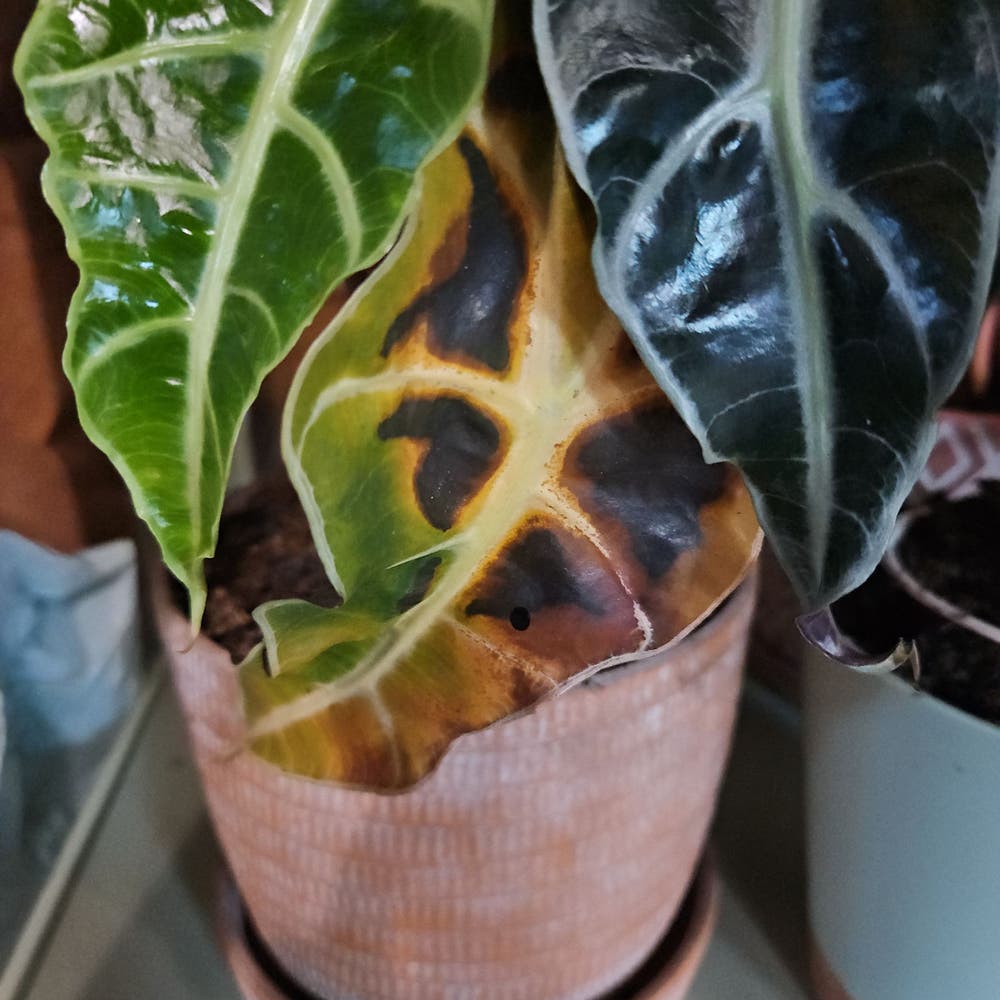
💧 How to Fix Droopy Leaves on Your Arum
Arum spp.
By the Greg Editorial Team
Oct 18, 2024•6 min read
This article was created with the help of AI so we can cover more plants for you. May contain errors. See one? Report it here.
- 💧 Droopy leaves often signal overwatering; check for yellowing and wet soil.
- 🌱 Underwatering shows crispy edges; ensure soil isn't pulling away from the pot.
- 🌡️ Ideal conditions: Keep Arum between 15°C to 25°C for optimal health.
Causes of Droopy Leaves
💧 Overwatering: Symptoms and Solutions
Overwatering is a common issue that can lead to droopy leaves on your Arum. Symptoms include yellowing leaves, wilting, and soil that remains consistently wet.
If you notice mushy roots or a foul odor, root rot may be present. To remedy this, allow the soil to dry out between waterings and improve drainage by using well-draining soil. If root rot is confirmed, repot your plant in fresh soil to give it a fighting chance.
🌵 Underwatering: Symptoms and Solutions
Underwatering can also cause droopy leaves, presenting symptoms like crispy, dry leaf edges and curling or drooping leaves. You might notice the soil pulling away from the pot edges as well.
To fix this, water your Arum thoroughly until excess drains from the bottom. Establish a consistent watering schedule based on soil moisture to prevent future issues.
🥦 Nutrient Deficiencies: Identifying and Addressing
Nutrient deficiencies can significantly affect your Arum's health. Common deficiencies include nitrogen, which causes yellowing leaves and stunted growth, and potassium, leading to browning leaf tips.
To address these issues, use a balanced fertilizer formulated for Arum plants. Conduct soil tests to determine nutrient levels and adjust your fertilization accordingly.
🌡️ Environmental Stress: Temperature and Humidity Effects
Temperature and humidity play crucial roles in your Arum's well-being. The ideal temperature range is between 15°C to 25°C (59°F to 77°F), with symptoms of stress including drooping leaves and slowed growth.
Arum plants prefer humidity levels above 50%. Low humidity can cause leaf curling and drooping. To maintain a healthy environment, keep temperatures stable and consider using a humidifier or pebble trays to increase humidity.
🐛 Pests and Diseases: Common Issues Affecting Leaf Health
Pests and diseases can wreak havoc on your Arum's leaves. Common pests include aphids, which leave sticky residue and cause curled leaves, and spider mites, known for fine webbing and stippled leaves.
Diseases like root rot, often caused by overwatering, and fungal infections, which manifest as brown spots or mold, can also lead to droopy leaves. Regularly inspect your plants for pests and treat them with insecticidal soap. Ensure proper watering practices to prevent root rot and keep your Arum thriving.
Understanding these causes will help you take the necessary steps to revive your droopy Arum. Next, we’ll dive into diagnosing droopy leaves effectively.
Diagnosing Droopy Leaves
🌊 Visual Signs of Overwatering vs. Underwatering
Understanding the visual signs of overwatering and underwatering is crucial for diagnosing droopy leaves on your Arum.
Overwatering typically manifests as yellowing and mushy leaves, with soil that remains consistently wet.
In contrast, underwatering results in crispy, dry leaf edges, and soil that pulls away from the pot edges, indicating a lack of moisture.
🔍 Soil Testing for Moisture Levels
To accurately assess soil moisture, you can use a couple of simple methods.
The finger test involves inserting your finger into the soil up to two inches to gauge moisture.
Alternatively, a soil moisture meter provides precise readings, ensuring you know exactly when to water.
For Arum, the ideal moisture level is consistently moist but never soggy.
🐛 Identifying Pests on Arum Leaves
Pests can significantly impact the health of your Arum, so it's essential to know the signs of infestation.
Look for visible insects on leaves and damage patterns such as holes, discoloration, or webbing.
For a thorough inspection, use a magnifying glass to spot any hidden pests.
If you find any, treat your plant with appropriate pest control methods to mitigate damage.
🦠 Recognizing Disease Symptoms in Arum
Diseases can also cause droopy leaves, so recognizing symptoms is vital.
Common signs include wilting despite adequate watering and discoloration or spots on leaves.
If you notice these symptoms, remove affected leaves to improve air circulation.
In some cases, applying fungicides may be necessary to combat the issue effectively.
By diagnosing these issues promptly, you can take the right steps to restore your Arum to its vibrant self.
Next, we’ll explore how to prevent droopy leaves through proper care techniques.
Preventing Droopy Leaves
💧 Proper Watering Techniques
Watering your Arum correctly is crucial for preventing droopy leaves. Check the soil moisture weekly and water when the top 1-2 inches feel dry.
Deep watering encourages robust root growth. Always avoid letting the plant sit in standing water, as this can lead to root rot.
🌱 Ideal Soil Conditions
Choosing the right soil type is essential for your Arum's health. A well-draining, fertile loam or peat-based mix is ideal.
Aim for a slightly acidic to neutral soil pH, ideally between 6.0 and 7.0. Good drainage prevents root rot and promotes healthy growth.
🌿 Fertilization Schedule and Nutrient Needs
A balanced NPK fertilizer every 4-6 weeks during the growing season keeps your plant nourished. Regularly monitor leaf color and growth patterns for signs of nutrient deficiency.
Healthy leaves are a good indicator that your plant is thriving. If you notice yellowing or stunted growth, it may be time to adjust your fertilization routine.
🌞 Environmental Control: Light, Temperature, and Humidity
Your Arum thrives in bright, indirect light, so avoid direct sunlight to prevent leaf burn. Maintaining stable temperatures within the ideal range helps keep your plant happy.
Humidity is another key factor; use humidity trays or misting to maintain moisture levels. Arum prefers humidity above 50%, so don’t hesitate to create a more humid environment.
By implementing these preventive measures, you can keep your Arum healthy and vibrant. Next, let’s explore step-by-step solutions for addressing droopy leaves when they do occur.
Step-by-Step Solutions for Droopy Leaves
🌊 How to Adjust Watering Practices
- Start by assessing your current watering schedule and checking the soil moisture. This will help you understand if your plant is getting too much or too little water.
- Adjust the frequency based on seasonal changes and your plant's specific needs. Remember, consistency is key; consider using the Greg plant care app for reminders to keep your routine on track.
🌱 Soil Amendments for Improved Drainage
- To enhance drainage, mix perlite or sand into your existing soil. This simple amendment can make a big difference in preventing root rot.
- If you suspect root rot, repot the plant using fresh, well-draining soil. This gives your Arum a fresh start.
- After making these amendments, monitor soil moisture levels closely. This will help you gauge the effectiveness of your changes.
🐛 Pest Control Methods
- First, identify the type of pest affecting your plant. Knowing your enemy is half the battle.
- Apply insecticidal soap or neem oil as needed to combat the pests. These treatments are effective and generally safe for your plant.
- Regularly inspect your plants for signs of reinfestation. Staying vigilant will help you catch any issues early.
🌼 Rehabilitating a Droopy Plant
- Begin by assessing the cause of the drooping—whether it's overwatering, underwatering, or pests. Understanding the root cause is crucial for recovery.
- Implement the appropriate solutions based on your diagnosis. Tailor your approach to what your plant specifically needs.
- Monitor the plant's recovery over the following weeks, adjusting care as necessary. Patience is essential; plants often take time to bounce back.
By following these step-by-step solutions, you can effectively address droopy leaves and restore your Arum to its vibrant self. Next, let’s explore how to prevent these issues from arising in the first place.
⚠️ Safety First
This content is for general information and may contain errors, omissions, or outdated details. It is not medical, veterinary advice, or an endorsement of therapeutic claims.
Always consult a qualified healthcare professional before using any plant as food, medicine, or supplement.
Never eat any plant (or feed one to pets) without confirming its identity with at least two trusted sources.
If you suspect poisoning, call Poison Control (800) 222-1222, the Pet Poison Helpline (800) 213-6680, or your local emergency service immediately.
Spotted an error? Please report it here.
Revive your droopy Arum leaves with Greg's personalized care reminders 🌿, ensuring optimal watering, humidity, and nutrients for a thriving plant!