🍂 Why Your Arum Leaves Are Falling Over
Arum spp.
By the Greg Editorial Team
Oct 18, 2024•6 min read
This article was created with the help of AI so we can cover more plants for you. May contain errors. See one? Report it here.
- 💧 Overwatering and underwatering are primary causes of drooping arum leaves.
- 🌱 Nutrient deficiencies weaken leaves; use balanced fertilizer for robust growth.
- 🌡️ Optimal humidity and temperature (50-70% humidity, 15-25°C) are crucial for arum health.
Causes of Leaves Falling Over
💧 Overwatering and Its Effects
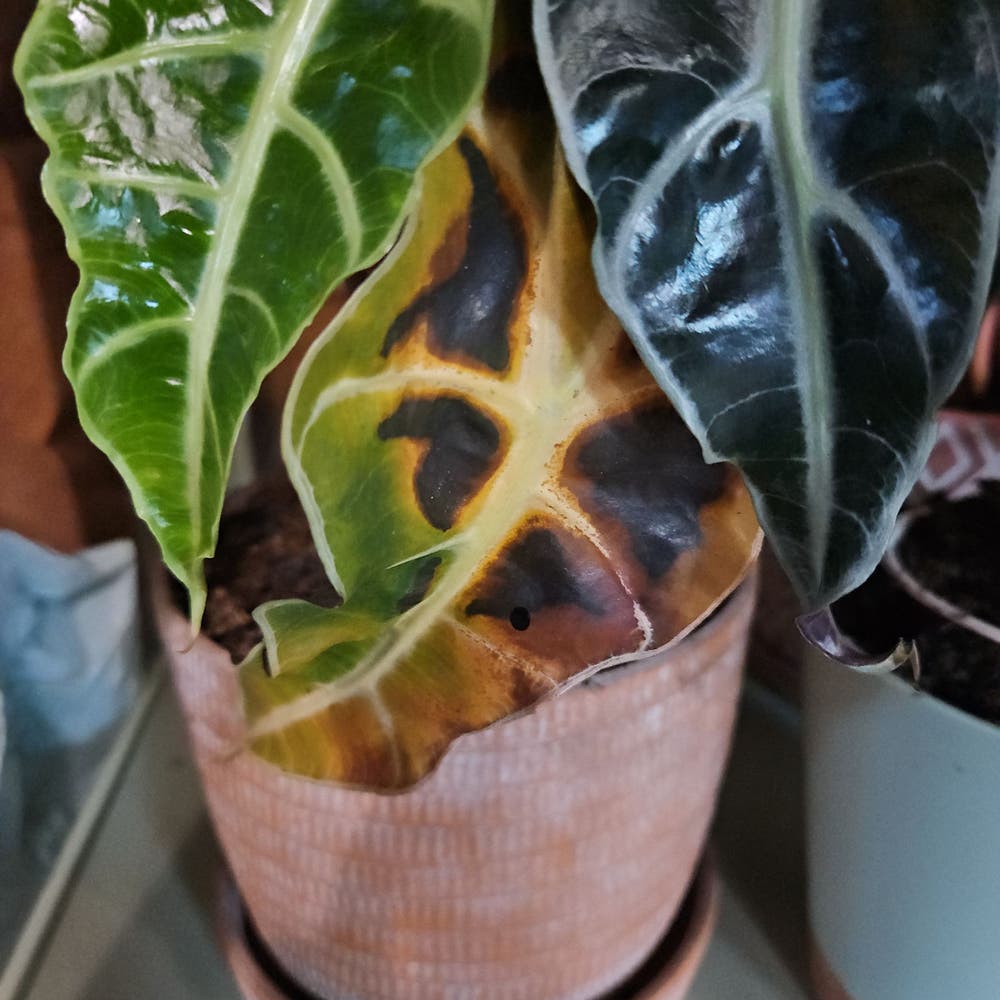
Overwatering is a common culprit behind drooping arum leaves. Symptoms include yellowing leaves, mushy stems, and even root rot, which can severely impact plant health.
Excess moisture leads to wilting and drooping of leaves. To combat this, ensure your plant is in well-draining soil to prevent water accumulation.
🚰 Underwatering and Its Effects
On the flip side, underwatering can also cause leaves to fall over. Look for crispy, brown leaf edges and wilting as signs that your plant is thirsty.
When underwatered, leaves droop and lose turgor. Watch for soil pulling away from the pot edges and dry topsoil as indicators of this issue.
🌱 Nutrient Deficiencies
Nitrogen Deficiency
A lack of nitrogen manifests as pale green leaves and stunted growth. This weak growth can lead to drooping leaves, making the plant look unhealthy.
Potassium Deficiency
Potassium deficiency shows up as leaf tip burn and yellowing between veins. This weakens leaf structure, causing them to droop and lose their vitality.
🌡️ Environmental Stress
Temperature
Maintaining the right temperature is crucial for your arum. The ideal range is between 15°C to 25°C (59°F to 77°F).
Extreme temperatures, whether cold drafts or excessive heat, can stress the plant and lead to drooping leaves.
Humidity
Humidity levels also play a significant role in leaf health. Optimal humidity is between 50% to 70%.
Low humidity can cause leaves to droop due to moisture loss, making it essential to monitor your plant's environment.
🐜 Pest Infestations
Aphids
Aphids can wreak havoc on your arum, leaving sticky residue on leaves and curling the edges. This infestation weakens the plant, leading to drooping.
Spider Mites
Spider mites are another threat, identifiable by fine webbing and stippled leaves. They reduce the overall vigor of the plant, contributing to drooping leaves.
Understanding these causes can help you take proactive steps to keep your arum healthy. Next, we’ll explore how to diagnose the specific issues affecting your plant.
Diagnosing the Problem
🌊 Signs of Overwatering vs. Underwatering
Identifying whether your arum is overwatered or underwatered is crucial. Overwatering typically presents as yellowing leaves and soggy soil, while underwatering shows signs like wilting, dry soil, and crispy leaf edges.
🥦 Identifying Nutrient Deficiencies
Nutrient deficiencies can also lead to drooping leaves. A nitrogen deficiency often manifests as pale leaves and slow growth, whereas a potassium deficiency can cause leaf tip burn and discoloration.
🐛 Recognizing Pest Damage
Pests can wreak havoc on your plant's health. Aphid damage is characterized by curling leaves and sticky residue, while spider mite damage is evident through fine webbing and stippled leaves.
🌡️ Assessing Environmental Conditions
Environmental factors play a significant role in your plant's well-being. To check the temperature, use a thermometer to ensure it stays within the ideal range of 15°C to 25°C (59°F to 77°F). For humidity, a hygrometer can provide accurate readings to help maintain optimal moisture levels.
Understanding these signs and conditions will help you pinpoint the issues affecting your arum leaves. Once you've diagnosed the problem, you can move on to effective solutions and treatments to restore your plant's health.
Solutions and Treatments
🌊 Adjusting Watering Practices
Establish a consistent watering schedule based on soil moisture. This helps prevent both overwatering and underwatering.
Use the finger test: Insert a finger into the soil; if it feels dry up to the second knuckle, it's time to water. This simple method ensures you’re giving your plant just what it needs.
Ensure proper drainage: Use pots with drainage holes to prevent water accumulation. Good drainage is crucial for healthy roots.
🌱 Fertilizing for Nutrient Balance
Choose a balanced fertilizer (NPK) for general health. This will provide your plant with essential nutrients.
Apply fertilizer during the growing season: Every 4-6 weeks. Regular feeding supports robust growth and vibrant leaves.
Monitor leaf color for signs of improvement. Healthy, green leaves indicate that your plant is thriving.
🐞 Pest Control Methods
Organic options: Neem oil or insecticidal soap work wonders for aphids and spider mites. These natural solutions are effective and safe for your plant.
Regular inspections: Check the undersides of leaves for pests. Early detection can save your plant from significant damage.
Introduce beneficial insects: Ladybugs are fantastic for aphid control. They’re nature’s little helpers!
🌤️ Improving Environmental Conditions
Light
Ensure adequate light: Place your plant in bright, indirect sunlight. This promotes healthy growth without the risk of scorching.
Avoid direct sunlight: Protect your arum from harsh rays. Too much sun can lead to drooping leaves.
Humidity
Increase humidity: Use a humidifier or pebble trays with water. Higher humidity levels keep your plant happy and hydrated.
Regular misting: Mist leaves to maintain moisture levels. This simple act can make a big difference in leaf health.
By implementing these solutions, you can create a nurturing environment for your arum. With the right care, your plant will flourish, and those drooping leaves will be a thing of the past. Next, let’s explore preventative measures to keep your plant thriving long-term.
Preventative Measures
Best Practices for Care 🌱
To keep your Arum healthy, regularly check soil moisture levels. Rotating pots helps ensure even light exposure, which is crucial for balanced growth.
Avoid overcrowding your plants; this reduces competition for resources and allows each plant to thrive. A little space goes a long way in promoting healthy foliage.
Regular Monitoring of Soil Moisture 💧
Using moisture meters can provide accurate readings of your soil's moisture levels. Adjust your watering frequency based on seasonal changes to meet your plant's needs.
Seasonal Care Adjustments ❄️
In winter months, when growth slows, it's wise to reduce watering. Conversely, increase humidity during dry seasons to keep your Arum happy and hydrated.
Choosing the Right Potting Mix 🪴
Select a potting mix designed for moisture retention while ensuring good drainage. Adding perlite or sand can significantly improve aeration, promoting healthier root growth.
By implementing these preventative measures, you can create a thriving environment for your Arum, reducing the risk of drooping leaves and ensuring vibrant growth. Next, let’s explore support techniques for those drooping leaves.
Support Techniques for Drooping Leaves
🌿 Using Stakes or Supports
If your arum leaves are drooping, inserting stakes can provide the necessary physical support. Gently secure the leaves to avoid causing any damage.
✂️ Pruning Techniques to Encourage Growth
Pruning is another effective technique. Remove any damaged or dead leaves to help redirect the plant's energy, and trim back excessively long stems to promote bushier growth.
🪴 Repotting for Better Stability
Consider repotting your plant for enhanced stability. Choose a pot that allows for root expansion and use fresh potting mix to ensure your plant receives the nutrients it needs while improving drainage.
By implementing these support techniques, you can help your arum thrive and regain its vigor. Next, let’s explore preventative measures to keep your plant healthy and robust.
⚠️ Safety First
This content is for general information and may contain errors, omissions, or outdated details. It is not medical, veterinary advice, or an endorsement of therapeutic claims.
Always consult a qualified healthcare professional before using any plant as food, medicine, or supplement.
Never eat any plant (or feed one to pets) without confirming its identity with at least two trusted sources.
If you suspect poisoning, call Poison Control (800) 222-1222, the Pet Poison Helpline (800) 213-6680, or your local emergency service immediately.
Spotted an error? Please report it here.
Keep your arum thriving 🌱 by using Greg's tailored reminders for balanced watering and humidity, ensuring those leaves stay healthy and vibrant!