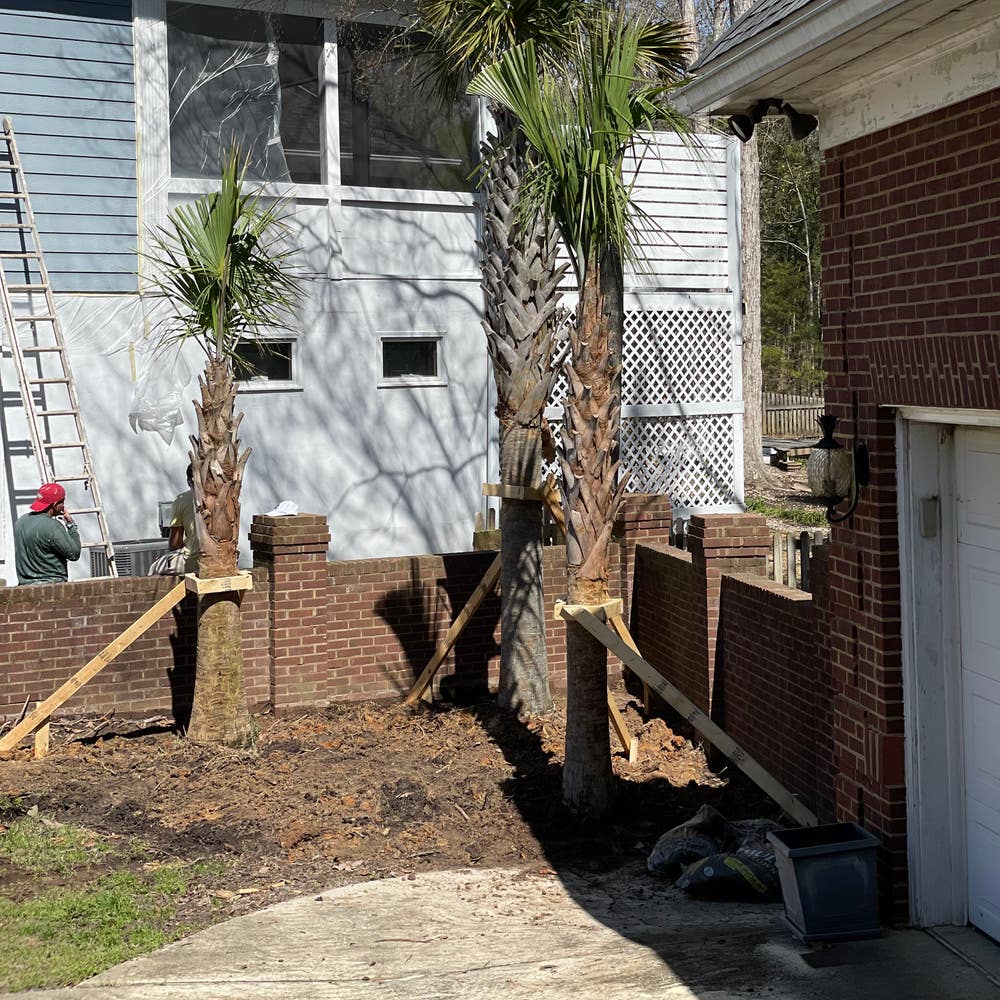
10 Perfect Spots to Grow Sabal Palm 🌴
Sabal palmetto
By the Greg Editorial Team
Oct 15, 2024•3 min read
This article was created with the help of AI so we can cover more plants for you. May contain errors. See one? Report it here.
Unlock the secrets to thriving Sabal Palms 🌴 with expert tips on sunlight, soil, and spacing for a stunning garden! 🌞
- 🌞 Sabal Palms need 6-8 hours of sunlight daily for optimal growth.
- 🌱 Well-drained sandy or loamy soil is ideal; pH should be 6.0-7.5.
- 🌬️ Wind protection and spacing from other plants are crucial for healthy growth.
Ideal Locations for Sabal Palm
☀️ Sunlight Exposure Requirements
Sabal Palms thrive in full sun, requiring 6 to 8 hours of sunlight daily. While they can tolerate moderate shade, growth may be stunted, so it's best to prioritize sunny spots.
Seasonal sun patterns play a crucial role in their health. Assessing sun exposure throughout the year ensures your palms receive adequate light, especially during winter months.
Nearby structures can significantly impact sunlight availability. Buildings may create shade or reflect light, so consider their placement when choosing a location.
🌱 Soil Type Preferences
For optimal growth, Sabal Palms prefer well-drained sandy or loamy soils. They can adapt to various soil types, including clay, but drainage is key to preventing root rot.
Soil pH is another important factor; aim for slightly acidic to neutral conditions, ideally between pH 6.0 and 7.5. This balance supports healthy root development and overall plant vigor.
🌳 Proximity to Other Plants and Structures
Maintain a minimum distance of 10 to 15 feet from other plants for optimal growth. This spacing prevents competition for nutrients and water, allowing your Sabal Palm to flourish.
Consider the impact of nearby structures like walls and fences. These can affect light and airflow, which are vital for the palm's health.
When designing your landscape, think about how to integrate Sabal Palms aesthetically. Their tall, elegant stature can enhance garden layouts beautifully.
🌬️ Wind Protection Needs
Wind protection is essential for Sabal Palms to prevent damage to their fronds and trunk. Planting near natural barriers, such as trees or shrubs, can provide effective windbreaks.
Assess areas prone to strong winds when selecting a planting site. Identifying these spots helps ensure your palms remain safe from harsh weather conditions.
Consider using fencing or additional vegetation as shields. These strategies can further protect your palms while enhancing your garden's visual appeal.
🚰 Drainage Considerations
Good drainage is critical for Sabal Palms to avoid waterlogging and root rot. Assess the drainage quality of your planting area to ensure it meets these needs.
If you find poorly drained spots, consider techniques to improve drainage. Amending soil with organic matter or creating raised beds can make a significant difference.
Monitoring soil moisture levels is also vital. Regular observation helps you maintain the right balance for healthy palm growth.
🌿 Specific Location Needs
Sabal Palms can handle some shade, but too much can lead to adverse effects. Understanding their shade tolerance helps you choose the right spot for planting.
Ensure adequate room for growth by maintaining ideal spacing from other plants. This consideration is crucial for their long-term health.
Evaluate the influence of nearby buildings on light and airflow. Proximity to structures can impact your palm's overall well-being.
Finally, timing is essential for planting. Choose the best seasons based on your local climate to give your Sabal Palms the best start possible.
⚠️ Safety First
This content is for general information and may contain errors, omissions, or outdated details. It is not medical, veterinary advice, or an endorsement of therapeutic claims.
Always consult a qualified healthcare professional before using any plant as food, medicine, or supplement.
Never eat any plant (or feed one to pets) without confirming its identity with at least two trusted sources.
If you suspect poisoning, call Poison Control (800) 222-1222, the Pet Poison Helpline (800) 213-6680, or your local emergency service immediately.
Spotted an error? Please report it here.
Plant your Sabal Palms in the ideal spot 🌴 with Greg's tailored reminders for sunlight and moisture, ensuring they flourish beautifully all year round!