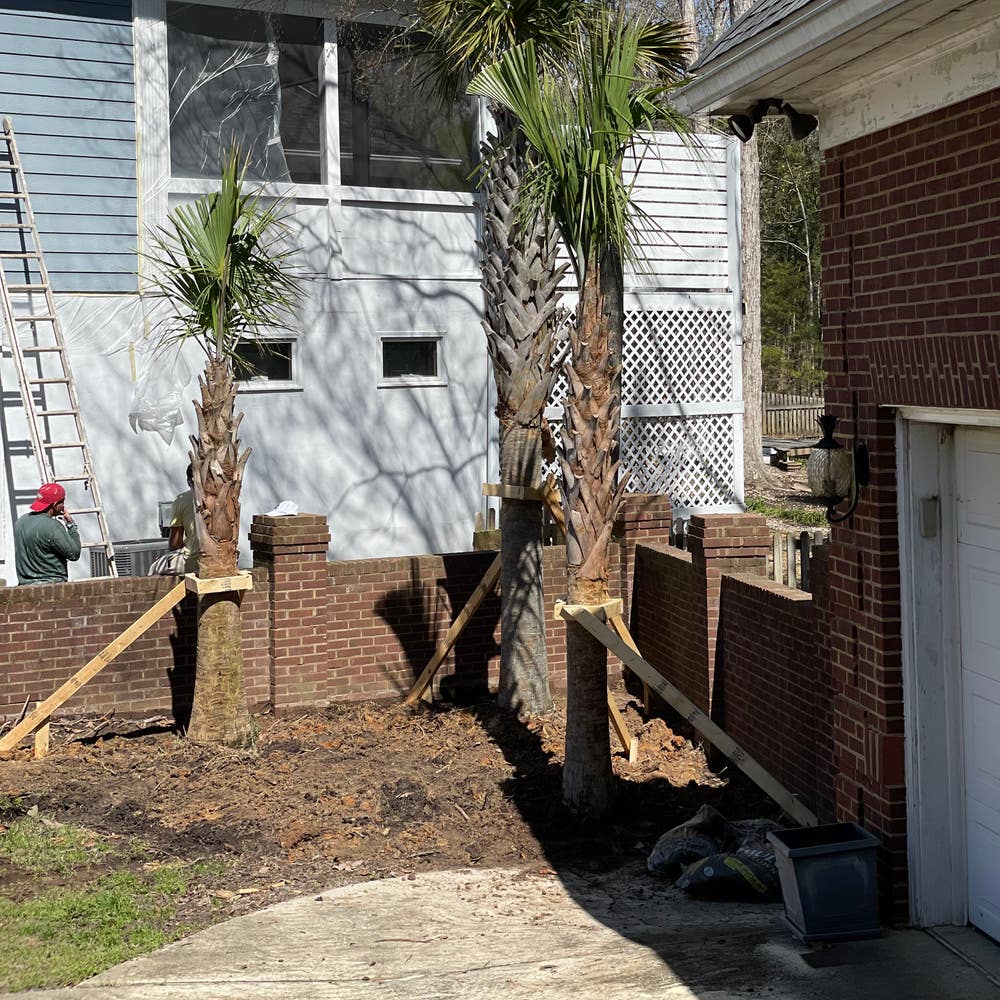
🌴 9 Secrets to Thriving Outdoor Sabal Palm
Sabal palmetto
By the Greg Editorial Team
Oct 15, 2024•6 min read
This article was created with the help of AI so we can cover more plants for you. May contain errors. See one? Report it here.
Transform your outdoor space with a thriving Sabal Palm 🌴 by mastering essential care tips for sunlight and watering! 💧
- ☀️ Sabal palms need 6-8 hours of sunlight daily for optimal growth.
- 💧 Water 2-3 times weekly in the first year; then every 1-2 weeks.
- 🌱 Fertilize every 6-8 weeks with a balanced NPK for healthy palms.
Sunlight Requirements
Ideal Exposure 🌞
Sabal palms thrive in full sun, requiring 6 to 8 hours of direct sunlight daily. While they can tolerate partial shade, optimal growth happens when they bask in bright light.
Impact of Insufficient Light 🌑
Insufficient sunlight leads to stunted growth and a weak structure. Additionally, these palms become more susceptible to pests and diseases, making proper light exposure crucial for their health.
Understanding these sunlight requirements is essential for ensuring your Sabal palm flourishes. Next, let's dive into their watering needs and how to keep them hydrated effectively.
Watering Needs and Frequency
Initial Requirements 🌱
During the first year, your Sabal Palm needs regular watering to establish strong roots. Aim for 2-3 times a week, adjusting based on the moisture level of the soil.
Established Plant Watering 💧
Once established, these palms become drought-tolerant. You can reduce watering to once every 1-2 weeks, making adjustments based on rainfall.
Signs of Overwatering and Underwatering 🚨
It's crucial to recognize the signs of improper watering. Overwatering can lead to yellowing fronds and root rot, while underwatering often results in browning leaf tips and wilting.
Understanding these watering needs will set your Sabal Palm up for success. With the right care, it will thrive beautifully in your outdoor space.
Soil Preferences and Amendments
Ideal Soil Types 🌱
Sabal palms thrive best in well-draining sandy or loamy soils. While they prefer these types, they can also tolerate a variety of soil types, including clay, making them versatile for different gardening conditions.
Soil Amendments 🧑🌾
To enhance growth, consider adding organic matter to your soil. This improves both drainage and nutrient content, ensuring your palm receives what it needs to flourish.
The ideal pH range for sabal palms is between 6.0 and 7.5. Keeping your soil within this range promotes optimal growth and health for your plants.
By understanding and adjusting your soil conditions, you set the stage for a thriving sabal palm. Next, let’s explore the fertilization schedule that will keep your palm nourished throughout the growing season.
Fertilization Schedule
Timing 🌱
Start fertilizing your Sabal Palm in early spring as new growth emerges. Aim to apply fertilizer every 6-8 weeks throughout the growing season for optimal health.
Types of Fertilizers 🧪
For general health, a balanced NPK fertilizer with a ratio of 10-10-10 works wonders. Consider using slow-release fertilizers to ensure your palm receives nutrients steadily over time.
Why Fertilization Matters 🌿
Fertilization is crucial for robust growth and vibrant foliage. It helps your Sabal Palm thrive, especially in nutrient-poor soils.
Additional Tips 📋
Always follow the manufacturer's instructions for application rates. Over-fertilizing can harm your plant, so moderation is key.
Transition to Next Section 🚀
With a solid fertilization plan in place, let’s explore the best planting options for your Sabal Palm to ensure it flourishes in its new home.
Planting Options
🌱 Container Planting
Container planting offers a unique advantage for those looking to optimize sunlight exposure. You can easily move your Sabal Palm to catch the sun or shield it from harsh weather conditions.
However, this method does come with some drawbacks. Limited root growth can hinder the plant's overall health, and you'll need to water more frequently to keep the soil moist.
🌍 In-Ground Planting
In-ground planting allows your Sabal Palm to develop a larger root system, which is crucial for its stability and growth. This method also enhances moisture retention, making it easier for the plant to thrive.
On the flip side, in-ground planting has its challenges. You lose the flexibility to relocate the palm, and there's a higher risk of soil-borne diseases that can affect its health.
Choosing between container and in-ground planting ultimately depends on your gardening goals and environment. Each option has its pros and cons, so consider what works best for your space and lifestyle.
As you decide on the planting method, keep in mind the importance of protecting your palm from environmental factors, which we'll explore next.
Protection from Environmental Factors
🌧️ Weather Protection Strategies
Protecting your Sabal Palm from environmental stressors is crucial for its health. Mulching is a fantastic strategy; it helps retain moisture and regulates soil temperature, creating a stable environment for root growth.
Windbreaks are another effective measure. Planting barriers can shield your palm from strong winds, reducing the risk of damage and stress.
🐜 Managing Outdoor Pests
Outdoor pests can pose a significant threat to your Sabal Palm. Aphids are a common nuisance; look for curled leaves as a telltale sign. Control them easily with insecticidal soap, which is both effective and safe.
Scale insects are another concern. You might notice a sticky residue on the leaves. This can be managed with neem oil, a natural solution that helps keep your palm healthy.
🦠 Diseases and Prevention
Fungal infections can lead to leaf spot, which can mar the beauty of your palm. Prevent this by ensuring proper spacing and good air circulation around your plants.
Root rot is another issue to watch for. To avoid it, ensure your soil drains well and be cautious not to overwater. Healthy soil practices can make all the difference.
By implementing these protective measures, you can help your Sabal Palm thrive in its outdoor environment. Next, let’s explore the seasonal care needed to keep your palm flourishing throughout the year.
Seasonal Care
🌱 Seasonal Changes and Their Impact
As the seasons shift, so do the needs of your Sabal Palm. In spring, when growth is at its peak, ramp up your watering and fertilization to support that vibrant new life.
In fall, it's time to prepare your palm for dormancy. Reduce watering frequency to help it acclimate to the cooler temperatures ahead.
❄️ Winter Care Tips
Winter can be tough for your Sabal Palm, especially in colder climates. Protect it from frost by covering it with burlap or frost cloth to shield it from harsh conditions.
During this dormant period, cut back on watering. Allow the soil to dry out slightly to prevent root rot and other moisture-related issues.
☀️ Summer Considerations
Summer brings heat, and with it, the need for increased watering. Make sure to check the soil regularly and adjust your watering schedule accordingly.
Keep a close eye on pests and diseases during these warmer months. Early detection can save your palm from potential damage and keep it thriving.
With these seasonal care tips, your Sabal Palm will be well-equipped to handle the changing environment, ensuring it remains a stunning feature in your outdoor space.
Climate Zone Considerations
🌍 Best Zones for Growing
The Sabal Palm thrives in USDA zones 8-11, where warm, humid conditions create an ideal environment. If you're in these zones, you're in luck—these palms can flourish with minimal fuss.
🧊 Adaptation Strategies
For those in cooler climates, container planting is a smart move. This allows you to move your palm to sunnier spots or indoors during harsh weather.
Additionally, using mulch can help retain moisture and regulate soil temperature. Windbreaks, like hedges or fences, can shield your palm from strong winds, ensuring it stays healthy and robust.
With these strategies, you can enjoy the beauty of the Sabal Palm, no matter where you live. Now, let’s dive into the seasonal care needed to keep your palm thriving year-round.
⚠️ Safety First
This content is for general information and may contain errors, omissions, or outdated details. It is not medical, veterinary advice, or an endorsement of therapeutic claims.
Always consult a qualified healthcare professional before using any plant as food, medicine, or supplement.
Never eat any plant (or feed one to pets) without confirming its identity with at least two trusted sources.
If you suspect poisoning, call Poison Control (800) 222-1222, the Pet Poison Helpline (800) 213-6680, or your local emergency service immediately.
Spotted an error? Please report it here.
Unlock the secrets to a thriving Sabal palm 🌴 by using Greg's tailored watering reminders and expert care tips to keep your outdoor oasis flourishing all year round!