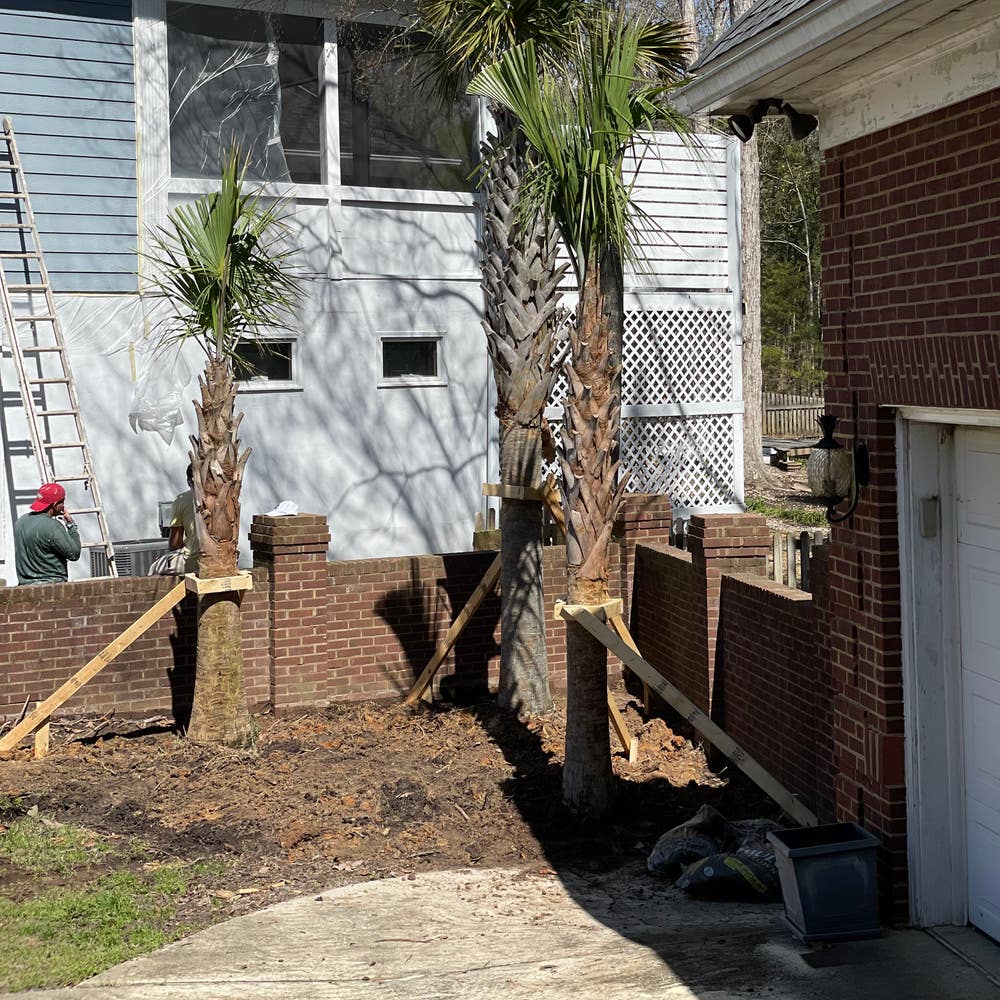
🌴 Top 4 Tips for Choosing Soil for Your Sabal Palm
Sabal palmetto
By the Greg Editorial Team
Oct 15, 2024•5 min read
This article was created with the help of AI so we can cover more plants for you. May contain errors. See one? Report it here.
Transform your Sabal Palm's growth 🌴 with the perfect soil mix for vibrant, thriving health!
- 🌱 Ideal soil mix: 50% sandy soil, 30% organic matter, 20% perlite for Sabal Palms.
- 🔍 Regular soil checks ensure health; monitor pH, nutrients, and moisture levels.
- 🌿 Healthy soil equals healthy plants; maintain optimal conditions for thriving Sabal Palms.
Ideal Soil Composition
Creating the perfect soil mix for your Sabal Palm is essential for its growth and health. Let’s dive into the ideal ingredients and how to mix them effectively.
🥣 Ingredients for an Ideal Homemade Soil Mix
To craft a soil mix that supports your Sabal Palm, focus on these key components:
- Base: Use 50% sandy soil to ensure good drainage.
- Organic Matter: Incorporate 30% compost or peat moss for nutrients.
- Aeration and Drainage: Add 20% perlite or vermiculite to enhance aeration.
These ingredients work together to create a balanced environment that promotes healthy root development.
🛠️ Step-by-Step Guide to Mixing Soil
Follow these simple steps to create your ideal soil mix:
- Gather Materials: Collect sandy soil, compost, and perlite or vermiculite.
- Combine Base and Organic Matter: In a large container, mix the sandy soil with the compost or peat moss.
- Add Aeration Component: Gradually mix in perlite or vermiculite until the blend is uniform.
- Test Moisture Retention: Add water to the mix to check drainage. Adjust the ratios if necessary for optimal moisture retention.
By following these steps, you’ll ensure your Sabal Palm has the best possible start in its new home.
Next, let’s explore the importance of soil pH and health for your palm’s growth.
Soil pH and Health
Recommended Soil pH Range for Optimal Growth 🌱
For your Sabal Palm, the ideal soil pH is between 6.0 and 7.0. This range is slightly acidic to neutral, which is crucial for nutrient availability and overall plant health.
Maintaining the right pH ensures your palm can absorb essential nutrients effectively. If the pH strays too far from this range, it can lead to nutrient deficiencies or toxicities.
How to Test Soil Health 🔍
To assess your soil's health, start with soil testing kits. These kits measure pH, nutrient levels, and moisture content, giving you a comprehensive overview of your soil's condition.
Additionally, perform a visual inspection. Look for signs like color, texture, and any presence of pests, which can indicate underlying issues that need addressing.
Understanding soil pH and health is vital for nurturing your Sabal Palm. With the right knowledge, you can create an optimal environment for growth, setting the stage for a thriving plant.
Next, let’s explore solutions for unhealthy soil conditions to ensure your palm stays healthy and vibrant.
Solutions for Unhealthy Soil Conditions
🚩 Signs of Unhealthy Soil
Identifying unhealthy soil is crucial for the health of your Sabal Palm. Moldy soil often appears discolored or slimy, indicating overwatering or poor drainage. This can lead to root rot, which is detrimental to your palm's growth.
Compaction is another red flag. If the soil feels hard and water pools on the surface, it’s a sign that air and nutrients can’t penetrate effectively. Compacted soil restricts root growth and limits access to essential resources.
🛠️ Remedies for Unhealthy Soil
If you encounter moldy soil, start by reducing your watering frequency. Overwatering is a common mistake that can suffocate roots. Improving air circulation is also vital; consider moving your palm to a more open area or using a fan.
For compacted soil, aeration is key. Use a garden fork or a soil aerator to break up the hard surface. This process allows air, water, and nutrients to reach the roots more effectively, promoting healthier growth.
By addressing these issues promptly, you can create a thriving environment for your Sabal Palm. Next, let's explore how to enhance soil quality with effective amendments.
Soil Amendments
🌱 Recommended Amendments for Improving Soil Quality
To ensure your Sabal Palm thrives, consider adding compost to your soil. Compost not only enriches the soil with essential nutrients but also enhances its structure, promoting better root growth.
Another effective amendment is gypsum. This mineral helps break up compacted soils, improving drainage and allowing roots to access water and nutrients more easily.
🧑🌾 How to Incorporate Organic Matter
Incorporating organic matter is straightforward. Simply blend it into the top 6-12 inches of your soil to maximize its benefits.
Timing is crucial for optimal results. The best moments to amend your soil are during planting or in early spring, setting your Sabal Palm up for a successful growing season.
With these amendments, you're well on your way to creating a healthy environment for your palm. Next, let's explore seasonal considerations to keep your soil in top shape year-round.
Seasonal Considerations
🌱 Seasonal Amendments
Spring is the perfect time to give your Sabal palm a boost. Adding compost and fertilizers prepares the soil for the growing season, ensuring your palm gets the nutrients it needs to thrive.
In the fall, focus on incorporating organic matter. This practice improves soil structure, helping your palm withstand the winter months and emerge strong in the spring.
⏰ Timing is Key
Timing your amendments is crucial for optimal growth. Spring amendments should coincide with the start of the growing season, while fall amendments should be done before the first frost.
By paying attention to these seasonal needs, you can create a nurturing environment for your Sabal palm, setting it up for success year-round.
🕵️♂️ Keep an Eye on Soil Health
Regularly check your soil's health throughout the seasons. Healthy soil leads to a thriving Sabal palm, so stay proactive in your care routine.
With these seasonal considerations in mind, you’ll be well-equipped to support your palm's growth and vitality. Next, let’s explore how to identify and remedy unhealthy soil conditions.
⚠️ Safety First
This content is for general information and may contain errors, omissions, or outdated details. It is not medical, veterinary advice, or an endorsement of therapeutic claims.
Always consult a qualified healthcare professional before using any plant as food, medicine, or supplement.
Never eat any plant (or feed one to pets) without confirming its identity with at least two trusted sources.
If you suspect poisoning, call Poison Control (800) 222-1222, the Pet Poison Helpline (800) 213-6680, or your local emergency service immediately.
Spotted an error? Please report it here.
Create a thriving environment 🌴 for your Sabal Palm with Greg's tailored soil care tips and reminders, ensuring your palm flourishes in the perfect mix!