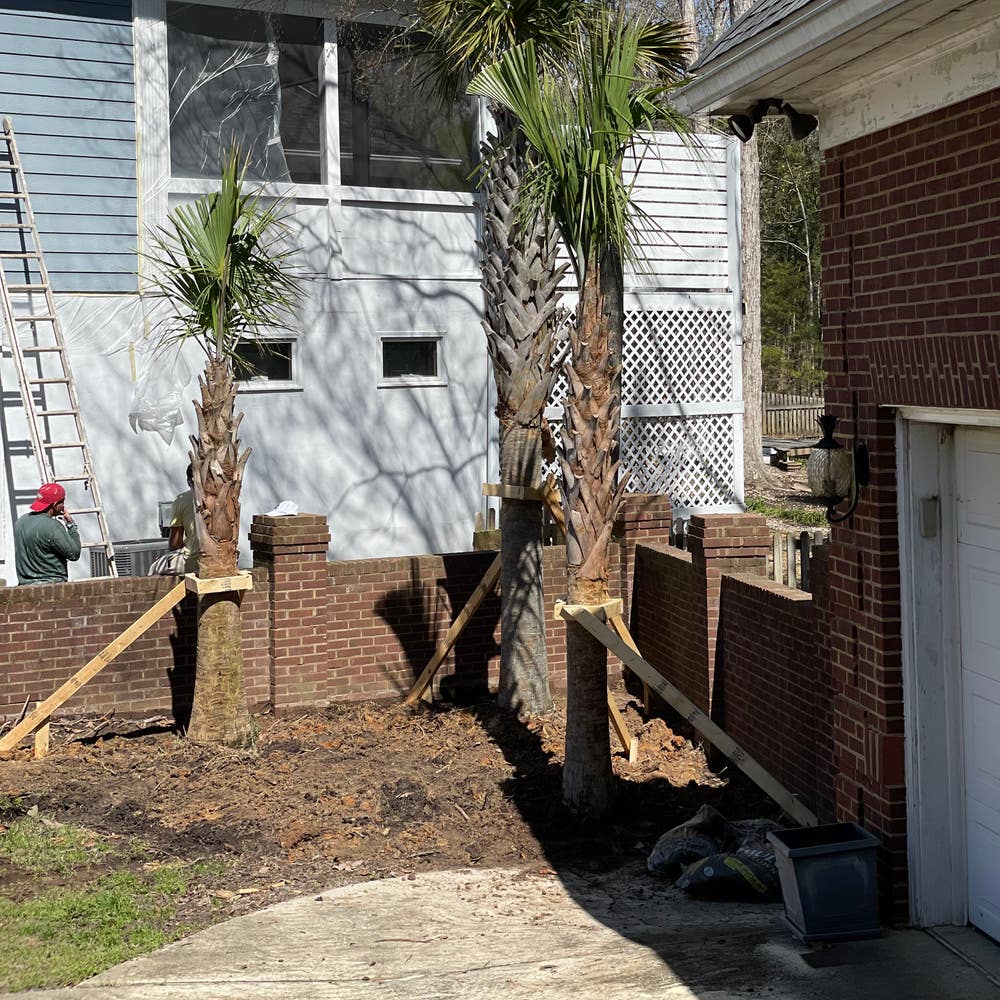
🌴 Where Can Cabbage Palm Grow? Zones 8a-11b
Sabal palmetto
By the Greg Editorial Team
Oct 16, 2024•4 min read
This article was created with the help of AI so we can cover more plants for you. May contain errors. See one? Report it here.
Unlock the secret to thriving cabbage palms 🌴 by mastering their temperature tolerances and ideal growing conditions!
- 🌴 Cabbage palms thrive in USDA zones 8a-11b, ideal for warm, humid climates.
- ❄️ Protect young palms from frost; they tolerate temperatures down to 20°F (-6°C).
- 🌊 Florida and coastal Texas offer perfect conditions for cabbage palm growth.
Cabbage Palm Temperature Tolerance
❄️ Cold Tolerance Specifics
Cabbage palms can withstand temperatures as low as 20°F (-6°C), but they are sensitive to frost. Young plants are particularly at risk; frost can damage their leaves and stunt their growth.
Knowing the first and last frost dates in your area is crucial for successful planting. This knowledge helps you protect your cabbage palms during vulnerable periods.
☀️ Heat Tolerance Specifics
On the flip side, cabbage palms thrive in temperatures reaching up to 100°F (38°C) and can handle high humidity. They flourish in the warm, humid climates typical of USDA zones 8a-11b.
These palms have adapted well to their environment, thanks to their deep root systems, which allow them to endure brief droughts. This resilience makes them a fantastic choice for warmer regions.
With a solid understanding of temperature tolerances, you can better appreciate where cabbage palms can grow successfully. Next, let’s explore the ideal growing regions for these remarkable trees.
Ideal Growing Regions for Cabbage Palm
🌴 Examples of US States Suitable for Cabbage Palm
Cabbage palms thrive in several states across the U.S., particularly where the climate is warm and humid.
- Florida: This state is a paradise for cabbage palms, boasting a warm, humid climate with minimal frost.
- Texas: The coastal regions of Texas provide ideal conditions, allowing these palms to flourish.
- California: Southern California's mild winters create a supportive environment for cabbage palm growth.
- Other States: Louisiana, Alabama, and parts of South Carolina also offer suitable climates for these resilient palms.
🌞 Factors Contributing to Ideal Growing Conditions
Several factors play a crucial role in creating the perfect environment for cabbage palms.
- Soil Preferences: Cabbage palms prefer well-drained, sandy soils that allow for proper root development.
- Coastal Proximity: Living near the coast helps maintain stable temperatures and humidity levels, essential for healthy growth.
- Local Climate Patterns: Warm, humid conditions are vital, as they mimic the natural habitats where cabbage palms thrive.
Understanding these ideal growing regions and conditions can help you cultivate healthy cabbage palms in your own garden. Whether you're in Florida or California, these palms can be a stunning addition to your landscape.
Microclimates and Their Impact on Cabbage Palm Growth
🌍 Definition and Significance of Microclimates
Microclimates are small areas that experience different climate conditions compared to their surrounding regions. These variations can significantly influence plant growth, including the cabbage palm.
Factors such as topography, vegetation, and human structures play a crucial role in shaping these microclimates. For instance, a dense tree canopy can create a cooler, shaded environment, while buildings can trap heat, leading to warmer conditions.
🌱 How Microclimates Can Extend Growing Range for Cabbage Palm
Microclimates can dramatically expand the growing range for cabbage palms. Urban areas often create heat islands, where temperatures are higher than in surrounding rural areas.
Sheltered valleys and south-facing slopes also provide ideal conditions. These areas can offer warmer temperatures and protection from frost, making it possible for cabbage palms to thrive even outside their typical hardiness zones.
In summary, understanding microclimates is essential for successful cabbage palm cultivation. By leveraging these localized climate variations, gardeners can enhance growth and resilience, ensuring these palms flourish in diverse environments.
Next, we will explore state-level analysis to identify where cabbage palms are most suitable for growth.
State-Level Analysis of Cabbage Palm Suitability
🌴 List of States in Hardiness Zones 8a-11b
Cabbage palms thrive in specific regions, particularly in states like Florida, Texas, California, Louisiana, Alabama, and South Carolina. These states enjoy warm, humid climates that align perfectly with the palm's growth requirements.
Florida stands out as a prime location due to its consistently warm temperatures and minimal frost. Texas, especially its coastal regions, provides similar conditions, while California's southern areas support growth with mild winters. Louisiana, Alabama, and South Carolina also offer the right balance of warmth and humidity, making them suitable for cabbage palms.
🚫 States Unsuitable for Cabbage Palm and Reasons Why
On the flip side, northern states like New York, Michigan, and Ohio are not ideal for cabbage palms. The colder temperatures in these regions, combined with frequent frost, create an inhospitable environment for these tropical plants.
Frost can severely limit the growth and survival of cabbage palms. In areas with shorter growing seasons, the likelihood of frost damage increases, making it challenging for these palms to thrive. Understanding these limitations is crucial for anyone looking to cultivate cabbage palms outside their ideal zones.
As we explore the next section, we'll delve into how microclimates can influence cabbage palm growth, potentially expanding their range beyond traditional boundaries.
⚠️ Safety First
This content is for general information and may contain errors, omissions, or outdated details. It is not medical, veterinary advice, or an endorsement of therapeutic claims.
Always consult a qualified healthcare professional before using any plant as food, medicine, or supplement.
Never eat any plant (or feed one to pets) without confirming its identity with at least two trusted sources.
If you suspect poisoning, call Poison Control (800) 222-1222, the Pet Poison Helpline (800) 213-6680, or your local emergency service immediately.
Spotted an error? Please report it here.
Cabbage palms are a stunning addition to warm, humid gardens 🌴—let Greg help you succeed with personalized care tips that ensure your palms thrive in their ideal conditions!