10 Do's and Don'ts of Growing Cabbage Palm
Sabal palmetto
By the Greg Editorial Team
Oct 16, 2024•5 min read
This article was created with the help of AI so we can cover more plants for you. May contain errors. See one? Report it here.
Cultivate stunning cabbage palms 🌴 with expert planting and care tips for a thriving garden oasis!
- 🌞 Cabbage palms need 6-8 hours of sunlight daily for optimal growth.
- 🌬️ Wind protection is crucial for young palms, especially in coastal areas.
- 🌱 Well-draining, sandy soil prevents root rot and promotes healthy growth.
Site Selection and Soil Preparation
Choosing the Right Location 🌞
Selecting the right location for your cabbage palm is crucial for its growth. These palms thrive in full sun, requiring 6 to 8 hours of sunlight daily to flourish.
Wind protection is also essential, especially in coastal areas where strong gusts can damage young plants. Ensure there’s adequate space for growth, allowing the palm to spread its fronds without obstruction.
Soil Type and Preparation Techniques 🏖️
Cabbage palms prefer sandy, well-draining soil that allows excess water to escape. This type of soil helps prevent root rot, a common issue for palms.
To enhance soil fertility, incorporate organic matter such as compost or well-rotted manure. Additionally, testing the soil pH is vital; an optimal range of 6.0 to 7.5 ensures your palm can absorb nutrients effectively.
Importance of Drainage and pH Levels 🚰
Proper drainage is a must for healthy cabbage palms. Poor drainage can lead to waterlogging, which suffocates roots and promotes rot.
The pH level of your soil significantly impacts nutrient availability. Maintaining the right pH not only supports plant health but also encourages robust growth and resilience against diseases.
By carefully selecting your site and preparing the soil, you set the stage for a thriving cabbage palm. Next, let’s dive into effective planting techniques to ensure your palm gets off to a great start.
Planting Techniques
Step-by-Step Guide to Planting 🌱
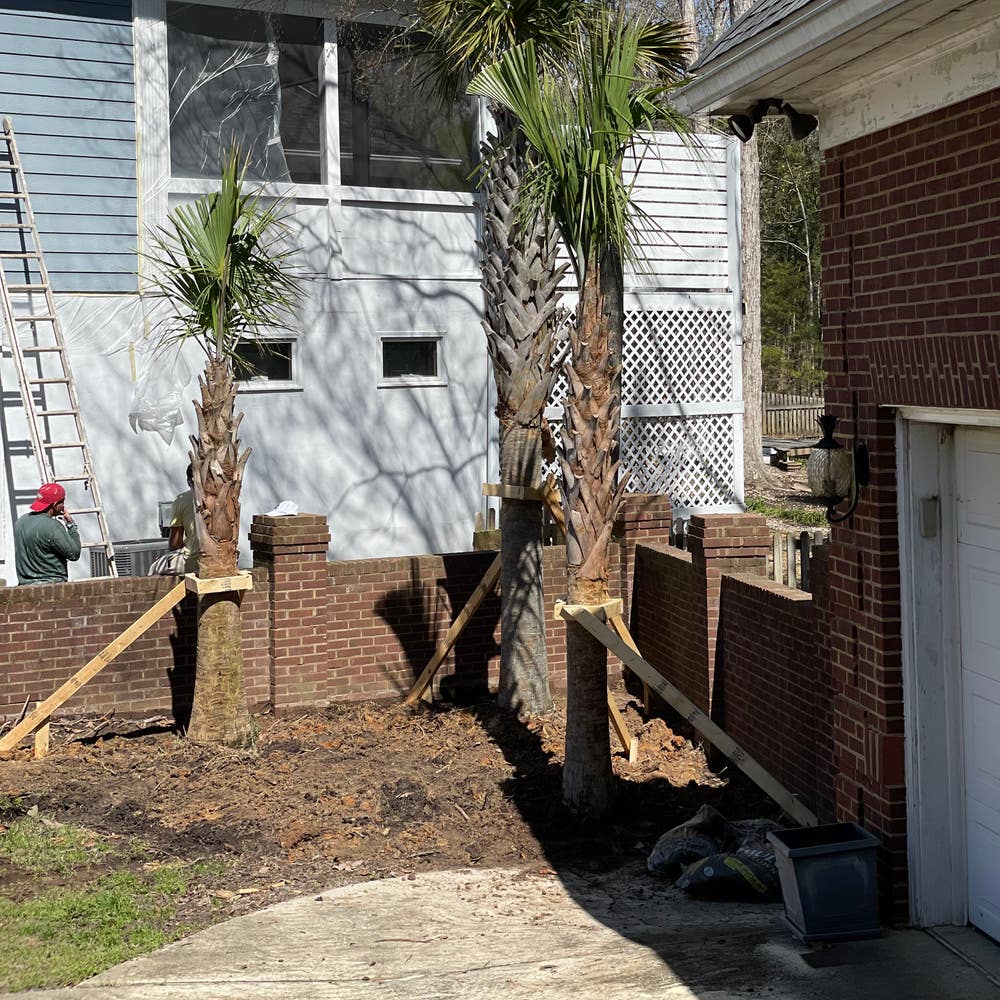
Planting a cabbage palm is straightforward. Start by preparing the planting hole, making it twice the width and depth of the root ball.
Next, amend the soil as needed by incorporating organic matter. This boosts fertility and ensures your palm has the nutrients it needs.
Position the palm carefully, ensuring the root ball is level with the soil surface. This is crucial for healthy growth.
Finally, backfill the hole and provide thorough watering. This helps settle the soil around the roots and eliminates air pockets.
Spacing Requirements for Outdoor Planting 📏
When planting outdoors, spacing is key. Aim for a distance of 10-15 feet apart to allow for optimal growth.
Consider the mature size of the cabbage palm. Adequate space ensures that each palm can spread its canopy without crowding its neighbors.
Container Planting Considerations 🪴
For container planting, size matters. Use a minimum 15-gallon pot for young plants to give them ample room to grow.
Ensure your container has drainage holes. This is essential for preventing water accumulation, which can lead to root rot.
Mobility is another advantage of container planting. You can easily move your palms to ensure they receive optimal sunlight throughout the day.
With these planting techniques in mind, you’re well on your way to cultivating healthy cabbage palms. Next, let’s explore the crucial aspects of watering and fertilizing to keep your palms thriving.
Watering and Fertilizing
Watering Frequency and Techniques 🌊
During the initial growth phase, it's crucial to water your cabbage palm every 1-2 weeks. Once established, you can reduce this to every 3-4 weeks, adjusting based on rainfall.
Deep watering is essential for encouraging robust root development. This method ensures that moisture reaches deeper soil layers, promoting healthier growth.
Best Fertilizers 🌱
For optimal growth, use slow-release fertilizers with a balanced NPK ratio. These fertilizers provide a steady supply of nutrients over time, which is beneficial for your palm.
Timing is key; apply fertilizers in early spring and again in mid-summer. This schedule aligns with the plant's growth cycles, ensuring it receives nutrients when needed most.
Signs of Overwatering or Underwatering 🚰
Be vigilant for signs of overwatering, such as yellowing leaves or root rot. These symptoms indicate that your cabbage palm is struggling with excess moisture.
On the flip side, underwatering can lead to wilting and browning leaf tips. Regularly check your plant's moisture levels to maintain a healthy balance.
Understanding these watering and fertilizing techniques will set your cabbage palm up for success. Next, let’s explore pruning and maintenance to keep your palm thriving.
Pruning and Maintenance
When and How to Prune 🌿
Pruning your cabbage palm is best done in late winter or early spring. Focus on removing dead or damaged fronds to maintain the palm's shape and overall health.
Ongoing Care Routine for Healthy Growth 🕵️♂️
Regular inspections are crucial for spotting pests and diseases early. Adjust your watering routine based on seasonal changes to ensure your palm thrives year-round.
Seasonal Maintenance Tips ❄️
In winter, protect young plants from frost to prevent damage. During the summer, keep an eye out for drought stress, ensuring your palm gets the moisture it needs.
With proper pruning and maintenance, your cabbage palm will flourish, setting the stage for addressing common challenges and solutions in the next section.
Common Challenges and Solutions
🐛 Identifying and Managing Pests and Diseases
Cabbage palms can face a few pesky visitors. Common pests include aphids and scale insects, which can sap the plant's vitality.
For diseases, leaf spot and root rot are the main culprits. To combat these issues, consider using organic pesticides and ensure proper watering techniques to maintain healthy plants.
🧐 Troubleshooting Growth Issues
Stunted growth can be frustrating. Often, it stems from poor soil conditions or inadequate sunlight.
To remedy this, assess your soil and consider amendments. If sunlight is lacking, relocating your plants might be necessary for optimal growth.
🌱 Tips for Container vs. Outdoor Growing Challenges
Growing cabbage palms in containers presents unique challenges. Limited root space can hinder growth, and you'll need to monitor watering more closely.
On the other hand, outdoor plants face weather extremes and competition from weeds. Being proactive with care can help mitigate these challenges and ensure your palms thrive.
With these insights, you're better equipped to tackle common issues and keep your cabbage palms flourishing. Next, let’s explore effective pruning and maintenance strategies to further enhance their growth.
⚠️ Safety First
This content is for general information and may contain errors, omissions, or outdated details. It is not medical, veterinary advice, or an endorsement of therapeutic claims.
Always consult a qualified healthcare professional before using any plant as food, medicine, or supplement.
Never eat any plant (or feed one to pets) without confirming its identity with at least two trusted sources.
If you suspect poisoning, call Poison Control (800) 222-1222, the Pet Poison Helpline (800) 213-6680, or your local emergency service immediately.
Spotted an error? Please report it here.
Ensure your cabbage palms thrive in the sun ☀️ by using Greg's tailored watering reminders and expert tips for proactive care!