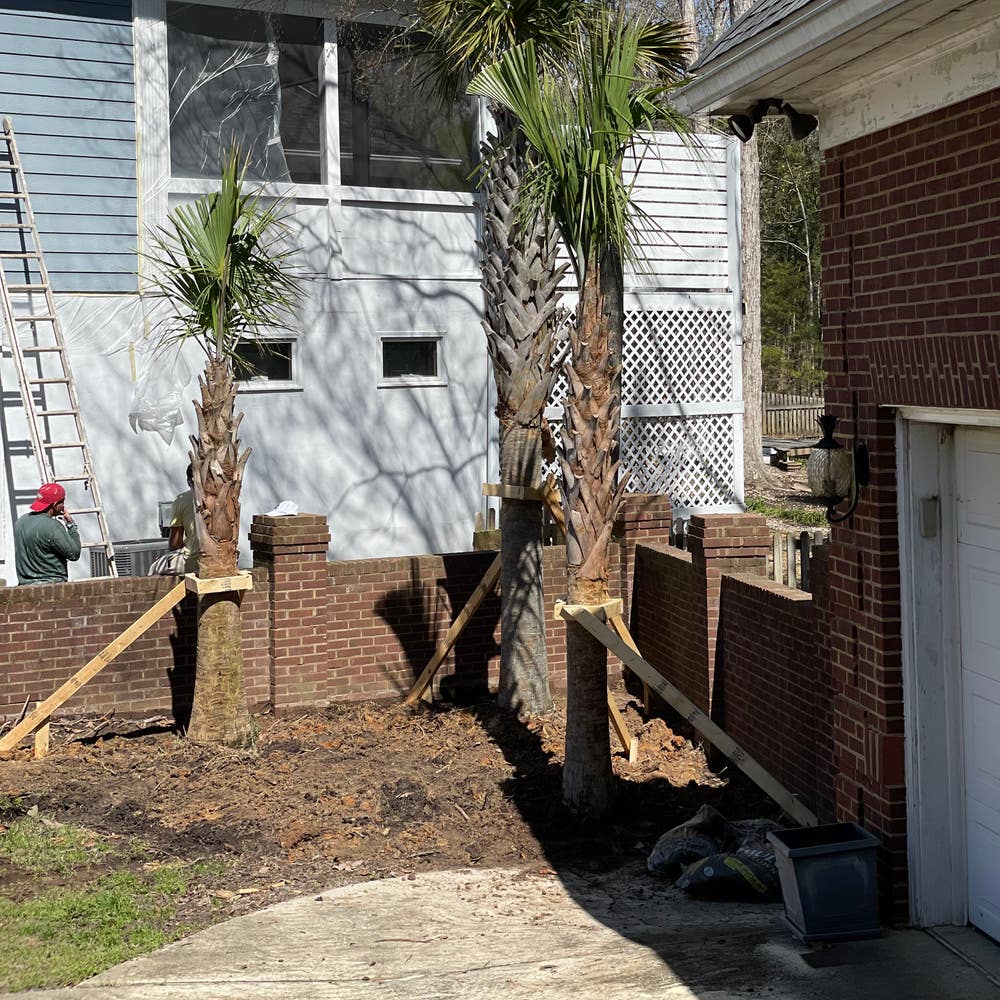
🌱 Cabbage Palm: When to Plant
Sabal palmetto
By the Greg Editorial Team
Oct 16, 2024•5 min read
This article was created with the help of AI so we can cover more plants for you. May contain errors. See one? Report it here.
Unlock the secret to thriving Cabbage Palms 🌴 by mastering the perfect planting timing for your garden!
- 🌡️ Plant Cabbage Palm when soil temperature exceeds 60°F (15°C) for optimal growth.
- 📅 Know your local frost dates to time planting correctly across regions.
- 🌞 Aim for planting when day length exceeds 12 hours, typically late March to September.
Importance of Frost Dates
🌨️ Determining Frost Dates
Understanding frost dates is crucial for successful planting. You can easily find your local frost dates by checking with agricultural extensions or using online frost date calculators.
In Florida, for instance, the last frost date usually falls in late March. Meanwhile, in Colorado, it can be as late as mid-May. Knowing these dates helps you plan your planting schedule effectively.
Soil Temperature Considerations
Ideal Soil Temperature 🌱
For successful germination and growth of Cabbage Palm, soil temperature should consistently be above 60°F (15°C). This temperature range is crucial for the seeds to thrive and establish strong roots.
Measuring Soil Temperature 🌡️
To accurately gauge soil temperature, use a soil thermometer at a depth of 2-4 inches. It's best to monitor this in early spring to pinpoint the optimal planting window.
Understanding soil temperature is vital for timing your planting effectively. With the right conditions, your Cabbage Palm can flourish beautifully.
Next, let’s explore how day length impacts growth and planting timing.
Day Length Impact
Growth and Planting Timing 🌱
Longer daylight hours in spring and summer are crucial for promoting photosynthesis in plants. This natural process fuels growth, making it essential to time your planting accordingly.
Aim to plant when day length exceeds 12 hours. In most regions, this window typically opens from late March and extends through early September.
Understanding this timing can significantly enhance your success with Cabbage Palm. By aligning your planting schedule with optimal day length, you set the stage for robust growth and vibrant foliage.
As you prepare to plant, consider how these daylight hours influence not just growth but also the overall health of your plants. With the right timing, you can cultivate a thriving garden that flourishes under the sun.
Next, let’s explore the regional planting months to ensure you’re planting at the right time for your specific location.
Regional Planting Months
🌴 Florida
In Florida, the best months to plant Cabbage Palm are March to April. This timing allows for optimal growth as temperatures begin to warm.
🌞 California
For California, aim to plant from March to May. The mild climate provides a great window for establishing healthy plants.
🤠 Texas
In Texas, the ideal planting months are April to May. This period ensures that the soil is warm enough for successful germination.
🍏 New York
New York gardeners should plan to plant Cabbage Palm from late May to June. This timing helps avoid the risk of late frosts.
🏔️ Colorado
In Colorado, the best months for planting are June to July. This allows the soil to warm sufficiently for the seeds to thrive.
🌽 Ohio
Ohio residents should target late May to June for planting. This timeframe aligns with the warmer temperatures needed for growth.
Understanding these regional planting months is crucial for successful Cabbage Palm cultivation. Next, we’ll explore the differences between starting seeds indoors and direct sowing.
Seed Starting vs. Direct Sowing
🌱 Starting Seeds Indoors
Starting seeds indoors can be a game-changer for your gardening journey. By beginning 6-8 weeks before the last frost, you extend your growing season and give your Cabbage Palm a head start.
This method allows you to control the environment, ensuring optimal conditions for germination. Plus, it can be incredibly rewarding to watch those tiny seeds sprout and thrive before they even touch the outdoor soil.
⏰ Direct Sowing Timing
Direct sowing is another effective approach, but timing is crucial. Wait until after the last frost date and ensure soil temperatures are consistently above 60°F.
This method allows seeds to germinate directly in the ground, promoting stronger root systems. Just remember, patience is key as you watch your Cabbage Palm grow from seed to a stunning addition to your landscape.
With these strategies in mind, you’re well on your way to successful planting. Next, let’s explore the comprehensive planting guide tailored for each state.
Comprehensive Planting Guide
Planting Calendar for All 52 States 🌱
Knowing when to plant your Cabbage Palm is crucial for success. Here’s a detailed list of ideal planting months across the United States:
| State | Best Planting Months |
|---|---|
| Florida | March to April |
| California | March to May |
| Texas | April to May |
| New York | Late May to June |
| Colorado | June to July |
| Ohio | Late May to June |
This table provides a quick reference to help you plan your planting schedule. Remember, local climate variations can affect these timelines, so always double-check with local resources.
Summary of Key Factors 📋
To ensure your Cabbage Palm thrives, keep these critical factors in mind:
- Frost Dates: Plant after the last frost date for your area.
- Soil Temperature: Aim for soil temperatures consistently above 60°F (15°C).
- Day Length: Plant when day length exceeds 12 hours, typically from late March to early September.
By considering these elements, you’ll set your Cabbage Palm up for a successful growing season. With the right timing and conditions, you can enjoy the beauty of this resilient palm in your landscape.
Next, let’s explore the differences between starting seeds indoors and direct sowing.
⚠️ Safety First
This content is for general information and may contain errors, omissions, or outdated details. It is not medical, veterinary advice, or an endorsement of therapeutic claims.
Always consult a qualified healthcare professional before using any plant as food, medicine, or supplement.
Never eat any plant (or feed one to pets) without confirming its identity with at least two trusted sources.
If you suspect poisoning, call Poison Control (800) 222-1222, the Pet Poison Helpline (800) 213-6680, or your local emergency service immediately.
Spotted an error? Please report it here.
Plant your Cabbage Palm at the perfect time 🌱 with Greg's tailored reminders and local insights, ensuring a thriving addition to your garden!