Cabbage Palm: Not an Invasive Plant 🌴
Sabal palmetto
By the Greg Editorial Team
Oct 16, 2024•6 min read
This article was created with the help of AI so we can cover more plants for you. May contain errors. See one? Report it here.
Transform your garden with Cabbage Palm 🌴, a stunning plant that boosts biodiversity and supports local ecosystems!
- 🌱 Cabbage Palm is non-invasive, enhancing local ecosystems without outcompeting native plants.
- 🌊 Thrives in coastal areas, showing resilience to drought and salt conditions.
- 🦜 Supports biodiversity by providing food and shelter for wildlife in gardens.
Plant Classification
Definition of Invasive Species 🌱
Invasive species are non-native plants that spread aggressively, outcompeting local flora and disrupting ecosystems. They often exhibit characteristics like rapid growth, high reproductive rates, and adaptability to various environments, making them formidable threats to native biodiversity.
Why Cabbage Palm is Non-Invasive 🌴
Cabbage Palm is native to its growing regions, which enhances its compatibility with local ecosystems. Its growth is generally slow and controlled, with limited spread potential due to specific habitat requirements.
Unlike invasive species, Cabbage Palm does not dominate or outcompete native plants. Instead, it coexists harmoniously within its environment, contributing positively to the landscape.
This unique balance makes the Cabbage Palm a valuable addition to gardens, promoting biodiversity without the risks associated with invasive species.
As we explore its growth habits next, you'll see how its characteristics further support its role in sustainable gardening.
Growth Habits
🌱 Typical Growth Patterns in Gardens
Cabbage Palm can soar to impressive heights of up to 50 feet, with a spread ranging from 15 to 25 feet. This versatility allows it to fit seamlessly into various garden designs, thriving in sandy and coastal soils.
Its growth rate is moderate, typically adding 1 to 2 feet each year under optimal conditions. This steady growth makes it a reliable choice for gardeners looking to create a lush, tropical atmosphere.
🌞 Natural Limits to Growth and Spread Potential
While Cabbage Palm is adaptable, it prefers full sun to partial shade, which can limit its growth in heavily shaded areas. This preference ensures it flourishes in bright environments, but it may struggle in overly dark spots.
Additionally, its resilience to drought and salt makes it a champion in coastal gardens. However, these same traits can restrict its spread in overly wet or shaded environments, keeping its growth in check and maintaining balance in your garden.
Incorporating Cabbage Palm into your landscape not only enhances its aesthetic appeal but also supports a healthy ecosystem. As we explore its ecological role next, you'll see how this palm contributes positively to local wildlife and biodiversity.
Ecological Role
🌱 Benefits in Ecosystems
Cabbage Palm plays a vital role in local ecosystems by providing essential habitat and food for wildlife. Birds and insects thrive in its presence, enhancing overall biodiversity.
🏡 Shelter and Nesting Sites
The fan-shaped leaves of the Cabbage Palm create natural shelters for various species. These leaves serve as perfect nesting sites, offering protection and a safe environment for wildlife.
🐝 Positive Interactions with Local Wildlife
This palm is a magnet for pollinators like bees and butterflies, which are crucial for the health of surrounding plants. Their visits not only help in pollination but also contribute to a thriving ecosystem.
🍇 Food Source for Wildlife
The fruits of the Cabbage Palm are a delicious treat for birds and small mammals. This food source promotes a balanced ecosystem, supporting various life forms and ensuring their survival.
Incorporating Cabbage Palm into your garden not only beautifies your space but also fosters a rich ecological environment. Next, we’ll explore how to effectively manage this plant in your garden design.
Garden Management
Incorporating Cabbage Palm into Garden Designs 🌴
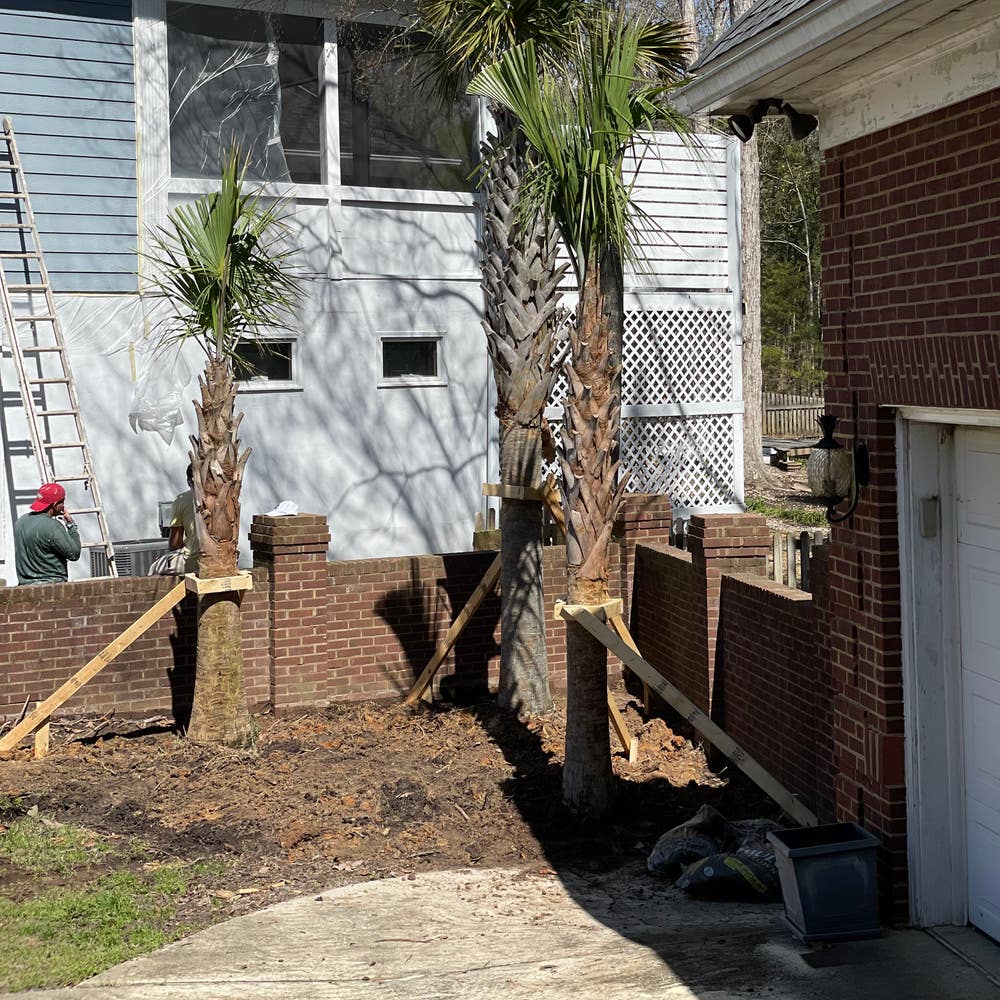
Cabbage Palm is a fantastic choice for coastal gardens and xeriscaping. Its tall stature and fan-shaped leaves make it a striking focal point in any landscape design.
You can plant Cabbage Palm in groups for a lush, tropical feel or use it as a solitary specimen to draw the eye. This versatility allows it to fit seamlessly into various garden styles, enhancing visual interest.
Controlling Growth for Aesthetics ✂️
To keep your Cabbage Palm looking its best, regular pruning of dead fronds is essential. This simple maintenance task helps maintain a tidy appearance and promotes healthy growth.
While Cabbage Palm generally has limited spread, it's wise to monitor for any signs of overgrowth in confined spaces. However, you’ll likely find that its growth remains manageable, making it an easy plant to care for.
Incorporating Cabbage Palm into your garden not only beautifies your space but also supports local ecosystems. As we explore its ecological role next, you'll see how this plant contributes to biodiversity and wildlife habitats.
Comparison to Other Plants
🌱 Similar Non-Invasive Plants
When considering non-invasive palms, the Cabbage Palm stands out alongside the Needle Palm and the Florida Thatch Palm. Each of these native species has unique growth habits and habitat preferences that cater to different gardening needs.
Needle Palm: This palm is smaller, typically reaching heights of 6-10 feet. It thrives in shady areas and is perfect for underplanting, making it a great choice for gardens with limited sunlight.
Florida Thatch Palm: Taller than the Needle Palm, it can grow up to 30 feet. It prefers well-drained soils and is often found in coastal regions, similar to the Cabbage Palm, but it has a more aggressive growth habit.
These palms not only share the non-invasive trait but also contribute positively to local ecosystems, providing habitats and food for wildlife.
🌟 Unique Qualities
The Cabbage Palm is particularly known for its resilience to drought and salt, making it a champion in coastal environments. This adaptability allows it to thrive where many other plants struggle, ensuring it remains a staple in sustainable landscaping.
Its impressive height, reaching up to 50 feet, combined with its fan-shaped leaves, creates a striking visual impact. This aesthetic appeal makes it a favorite for landscape designers looking to add a touch of elegance to gardens.
In summary, while the Cabbage Palm shares the non-invasive label with other native palms, its unique qualities and adaptability set it apart. Its role in enhancing biodiversity and providing visual interest makes it a valuable addition to any garden.
As we explore further, let’s delve into the legal and environmental considerations surrounding the Cabbage Palm and its role in sustainable gardening practices.
Legal and Environmental Considerations
🌱 Classifications and Guidelines for Planting
Cabbage Palm is celebrated as a Florida native plant, making it eligible for various conservation programs. This classification not only highlights its ecological importance but also encourages responsible planting practices.
When planting Cabbage Palm, it's essential to follow regional guidelines to ensure it thrives in harmony with local ecosystems. Consider factors like soil type and sunlight exposure to maximize its growth potential.
🌍 Role in Sustainable Gardening Practices
Incorporating Cabbage Palm into your garden is a fantastic way to support biodiversity. By choosing native plants, you help create a balanced ecosystem that benefits local wildlife.
This palm's resilience reduces the need for excessive irrigation and chemical fertilizers. It thrives in challenging conditions, making it an excellent choice for sustainable gardening practices.
By planting Cabbage Palm, you're not just beautifying your space; you're contributing to a healthier environment. This choice reflects a commitment to sustainability that can inspire others in your community.
As we move forward, let’s explore how Cabbage Palm compares to other plants in terms of ecological benefits and growth habits.
⚠️ Safety First
This content is for general information and may contain errors, omissions, or outdated details. It is not medical, veterinary advice, or an endorsement of therapeutic claims.
Always consult a qualified healthcare professional before using any plant as food, medicine, or supplement.
Never eat any plant (or feed one to pets) without confirming its identity with at least two trusted sources.
If you suspect poisoning, call Poison Control (800) 222-1222, the Pet Poison Helpline (800) 213-6680, or your local emergency service immediately.
Spotted an error? Please report it here.
Discover the eco-friendly charm of the Cabbage Palm 🌴 and let Greg provide personalized care reminders to help your garden thrive while supporting local wildlife!