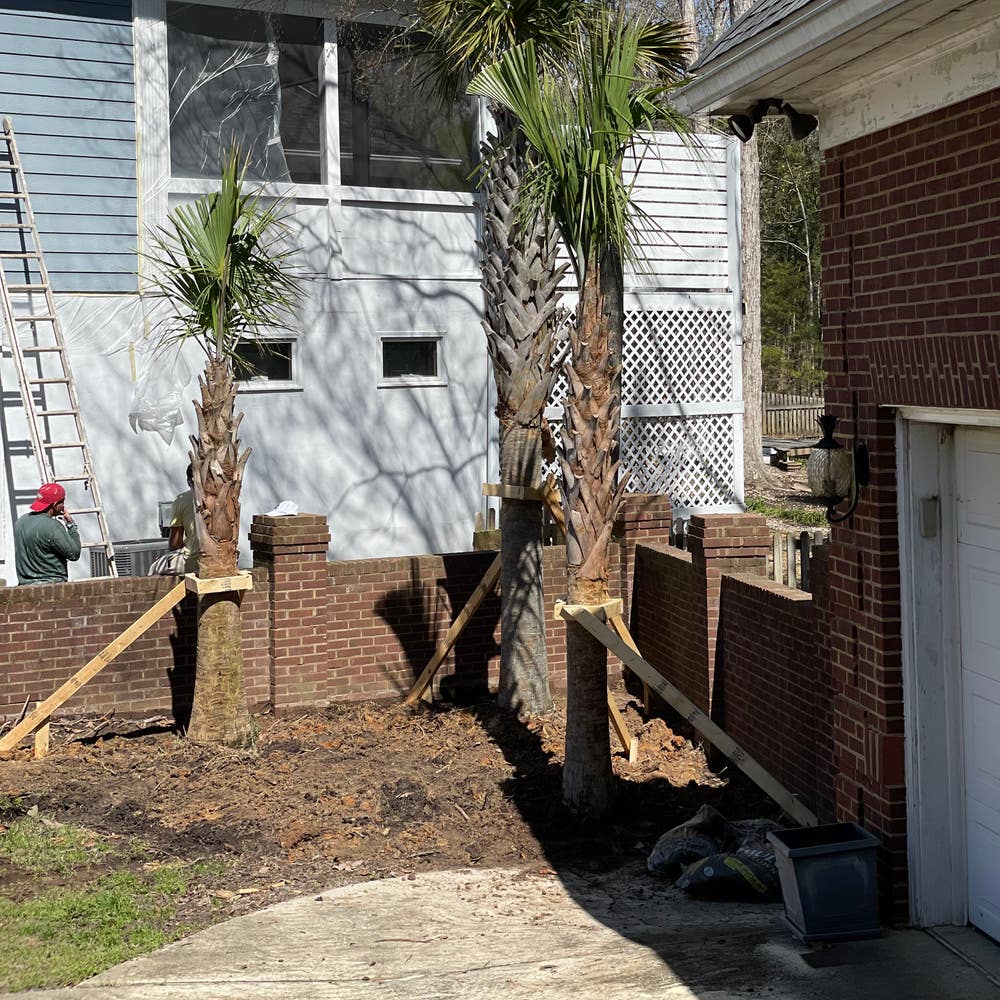
Cabbage Palm: Not an Annual 🌴
Sabal palmetto
By the Greg Editorial Team
Oct 16, 2024•5 min read
This article was created with the help of AI so we can cover more plants for you. May contain errors. See one? Report it here.
Transform your garden into a stunning oasis 🌴 with resilient cabbage palms that thrive for decades!
- 🌴 Cabbage palms are perennials, thriving for decades unlike short-lived annuals.
- 🌼 They flower multiple times, using a multi-year strategy for successful reproduction.
- 🌱 Proper care ensures health, including deep watering and pest inspections for longevity.
Cabbage Palm as a Perennial
🌱 Genetic and Physiological Characteristics
Cabbage palms boast a long-term lifecycle that includes distinct stages: germination, juvenile, and mature. This process can take several years, showcasing the plant's resilience and adaptability.
Their growth patterns are impressive, with average heights reaching up to 50 feet. The fan-shaped crown of leaves adds a striking visual element, making them a standout in any landscape.
🌼 Reproductive Strategies
Cabbage palms employ multi-year flowering as part of their reproductive strategy. This means they don’t rush; instead, they take their time to ensure successful pollination.
Pollination methods vary, often involving wind and insects, which play crucial roles in their lifecycle. Once pollinated, seed dispersal occurs, allowing new plants to thrive in suitable environments.
Understanding these genetic and physiological characteristics highlights why cabbage palms are classified as perennials. Their longevity and unique growth habits make them a fascinating choice for gardeners and landscape designers alike.
As we delve deeper into the lifecycle comparison, we’ll explore how these traits set cabbage palms apart from true annuals.
Lifecycle Comparison
Differences from True Annuals 🌱
Cabbage palms have a lifecycle that spans several years, unlike true annuals that complete their growth cycle in just one season. This extended duration allows them to develop robust structures and adapt to their environment over time.
The perennial lifecycle significantly influences their growth and flowering patterns. While annuals may bloom once and die, cabbage palms can flower multiple times throughout their lives, showcasing their resilience and adaptability.
Implications of Perennial Lifecycle on Growth and Flowering 🌼
The perennial nature of cabbage palms means they invest energy into long-term growth rather than a single reproductive event. This strategy allows them to reach impressive heights, often up to 50 feet, while developing a fan-shaped crown that adds visual interest to any landscape.
Moreover, their flowering occurs over several years, which can lead to staggered blooms. This not only enhances the aesthetic appeal but also supports local ecosystems by providing food for pollinators over an extended period.
Seed Production Frequency and Viability 🌾
Cabbage palms produce seeds multiple times throughout their lifespan, unlike annuals that typically produce seeds once. This frequent seed production increases the chances of successful germination and establishment in varying conditions.
The viability of these seeds is crucial for the species' survival. Cabbage palms have adapted to ensure that their seeds remain viable for extended periods, allowing them to take advantage of favorable conditions when they arise.
Variations and Exceptions
🌪️ Conditions Leading to Misclassification
Cabbage palms can sometimes be misclassified due to extreme weather conditions. Harsh storms or prolonged droughts can stunt their growth, leading gardeners to mistakenly label them as annuals.
In addition, gardening mismanagement plays a significant role. Overwatering or poor soil quality can hinder the palm's natural growth cycle, creating confusion about its true perennial nature.
🌍 Regional Growth Variability
The climate and soil conditions in different regions also affect how cabbage palms thrive. In some areas, they may flourish, while in others, they struggle to establish themselves.
Understanding these regional differences is crucial for proper identification. It helps gardeners appreciate the unique challenges and opportunities presented by their local environment.
By recognizing these factors, you can better understand the cabbage palm's lifecycle and avoid common misclassifications. This knowledge sets the stage for successful cultivation and appreciation of this remarkable plant.
Garden Design Implications
🌿 Advantages in Garden Design
Cabbage Palms bring a unique aesthetic appeal to any landscape. Their tall stature and fan-shaped crowns create a striking focal point, making them perfect for both residential and commercial gardens.
Investing in Cabbage Palms is a long-term commitment. Unlike annuals, these perennials can thrive for decades, providing enduring beauty and value to your garden.
🏝️ Design Strategies for Incorporating Cabbage Palm
When planning your garden, consider the placement of Cabbage Palms. Position them as standalone features or in clusters to create a tropical vibe.
Mixing Cabbage Palms with other plants can enhance visual interest. Pair them with colorful flowering shrubs or ground covers to create a dynamic landscape.
Additionally, think about the height and spacing. Ensure they have enough room to grow without overcrowding other plants. This will allow their majestic form to shine.
Incorporating Cabbage Palms into your garden design not only elevates the aesthetic but also contributes to a sustainable environment. Their long lifespan and minimal maintenance make them a smart choice for any gardener.
As you explore these design possibilities, consider how Cabbage Palms can transform your outdoor space into a vibrant oasis. Next, let’s delve into effective management tips to ensure these palms thrive in your garden.
Management Tips
Best Practices for Longevity 🌱
To ensure your Cabbage Palm thrives, start with the right soil. A well-draining mix rich in organic matter will support its growth.
Watering is crucial, especially during dry spells. Aim for deep watering once a week, allowing the soil to dry out between sessions.
Pest and Disease Management Strategies 🐞
Cabbage Palms are generally resilient but can face challenges from pests like scale insects and palm weevils. Regularly inspect your palms for signs of infestation.
For disease prevention, maintain good air circulation around the plant. This helps reduce the risk of fungal infections, which can be detrimental to its health.
Final Thoughts 💭
By following these management tips, you can enjoy the beauty of your Cabbage Palm for years to come. With proper care, it will not only enhance your garden but also stand as a testament to your gardening skills.
Next, let’s explore how to incorporate Cabbage Palms into your garden design for maximum impact.
⚠️ Safety First
This content is for general information and may contain errors, omissions, or outdated details. It is not medical, veterinary advice, or an endorsement of therapeutic claims.
Always consult a qualified healthcare professional before using any plant as food, medicine, or supplement.
Never eat any plant (or feed one to pets) without confirming its identity with at least two trusted sources.
If you suspect poisoning, call Poison Control (800) 222-1222, the Pet Poison Helpline (800) 213-6680, or your local emergency service immediately.
Spotted an error? Please report it here.
Cabbage palms are resilient perennials 🌴, and with Greg's tailored watering reminders and care tips, you can help them thrive and beautify your garden for years to come!