🌴 5 Factors for Optimal Sabal Palm Growth
Sabal palmetto
By the Greg Editorial Team
Oct 15, 2024•6 min read
This article was created with the help of AI so we can cover more plants for you. May contain errors. See one? Report it here.
Elevate your garden with vibrant Sabal palms 🌴 by mastering essential care techniques for thriving growth!
- ☀️ Sabal palms need 6-8 hours of sunlight daily for optimal growth.
- 🌬️ Wind protection is vital for young palms; use natural barriers for safety.
- 🌱 Proper spacing of 10-15 feet ensures healthy growth away from other plants.
Choosing a Location
🌞 Sunlight Requirements
Sabal palms thrive in full sun, requiring a minimum of 6-8 hours of direct sunlight daily. While they can tolerate partial shade, this may slow their growth rate.
🌬️ Wind Protection Considerations
Wind protection is crucial, especially for young palms. Consider using fences, hedges, or natural barriers to shield them from strong winds.
📏 Space and Placement for Optimal Growth
Proper spacing is essential; ensure your sabal palm is at least 10-15 feet away from other plants or structures. This planning accounts for their mature height and spread, allowing them to flourish without competition for resources.
With the right location secured, you're well on your way to nurturing a healthy sabal palm. Next, let’s dive into the soil preparation needed for optimal growth.
Soil Preparation
Ideal Soil Types 🌱
For optimal Sabal palm growth, choose well-draining sandy or loamy soils. Heavy clay should be avoided, as it can lead to root rot and poor drainage.
Soil pH and Drainage Requirements 💧
Aim for a soil pH between 6.0 and 7.5. Proper drainage is crucial; roots sitting in water can lead to serious health issues for your palms.
Amendments and Fertilizers for Soil Enhancement 🌿
Incorporate organic matter like compost or peat moss to enrich the soil. Use slow-release fertilizers with a balanced NPK ratio to provide essential nutrients over time.
With the right soil preparation, your Sabal palms will thrive, setting the stage for healthy growth and vibrant foliage. Next, let’s explore effective planting techniques to ensure your palms get off to a strong start.
Planting Techniques
Step-by-Step Planting Guide 🌱
Planting a Sabal Palm is straightforward and rewarding. Start by choosing a suitable location that offers ample sunlight and space.
- Choose a suitable location based on sunlight and space.
- Prepare the planting hole: Make it twice the width and equal depth of the root ball.
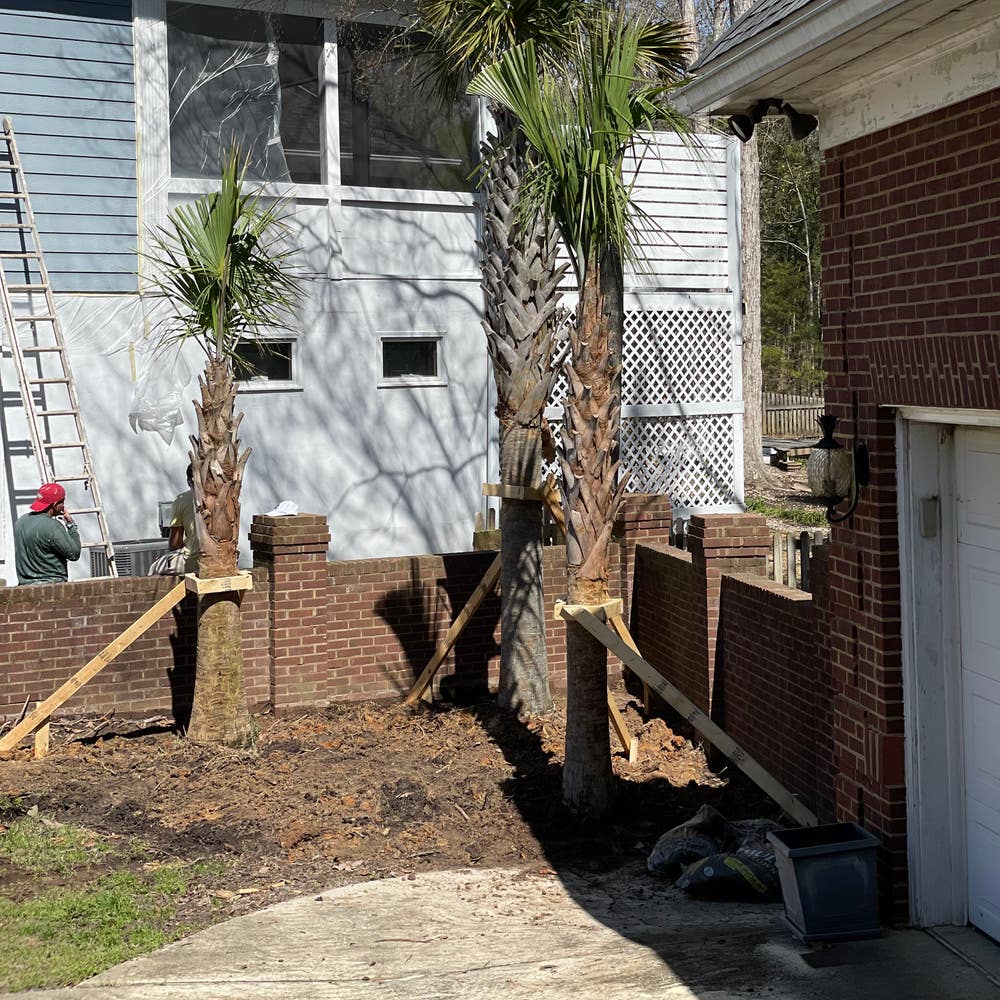
- Place the palm in the hole, ensuring the top of the root ball is level with the soil surface.
- Backfill with soil, gently tamping down to remove air pockets.
- Water thoroughly after planting to help establish roots.
Container vs. In-Ground Planting 🪴
Deciding between container and in-ground planting can affect your palm's growth.
- Container planting is ideal for smaller spaces or temporary setups, allowing flexibility.
- In-ground planting is best for long-term growth and stability, giving the palm room to thrive.
Timing for Planting ⏰
Timing is crucial for successful planting.
- The best planting season is spring or early summer, as this promotes optimal growth conditions.
By following these techniques, you set the stage for a healthy Sabal Palm that can flourish in your garden. Next, let’s explore how to care for your palm through proper watering and fertilizing techniques.
Watering and Fertilizing
💧 Watering Frequency and Techniques
Watering is crucial for your Sabal palm's early growth. For the first week after planting, give it daily water to help establish roots.
Once your palm is settled, adjust your watering routine. Established palms typically need water every 1-2 weeks, but keep an eye on rainfall to avoid overdoing it.
🚰 Signs of Overwatering or Underwatering
Understanding your palm's needs can prevent common issues. Overwatering often leads to yellowing leaves and root rot, which can be detrimental.
On the flip side, underwatering shows up as browning leaf tips and wilting. Pay attention to these signs to keep your palm thriving.
🌱 Recommended Fertilizers and Feeding Schedule
Fertilizing is essential for robust growth. Aim to fertilize every 6-8 weeks during the growing season to give your palm the nutrients it craves.
Opt for slow-release, balanced NPK formulas. These fertilizers provide a steady supply of nutrients, ensuring your palm remains healthy and vibrant.
With proper watering and fertilizing, your Sabal palm will flourish beautifully. Next, let’s explore pruning and ongoing care to maintain its health and aesthetics.
Pruning and Ongoing Care
Pruning Techniques for Health and Aesthetics 🌿
Pruning your Sabal Palm is essential for both health and appearance. Aim to prune in late winter or early spring, just before new growth begins.
Removing dead or damaged fronds not only improves aesthetics but also promotes better air circulation. Shaping the palm can enhance its natural beauty, making it a standout feature in your landscape.
Seasonal Care Routines 🌸
Each season brings unique care tasks for your palm. In spring, focus on fertilization and pruning to kickstart growth.
During summer, keep an eye out for pests and diseases. Regular monitoring helps catch issues early, ensuring your palm remains healthy.
As fall approaches, prepare your palm for winter if you live in a colder climate. This may involve additional care to protect it from harsh conditions.
Pest and Disease Management Strategies 🐛
Being proactive about pests and diseases is crucial for maintaining a healthy Sabal Palm. Common pests include scale insects and spider mites, which can sap the vitality of your palm.
Regular inspections are key to early detection. Maintaining overall plant health through proper care can also prevent many diseases, keeping your palm thriving year-round.
With these ongoing care strategies, your Sabal Palm will not only survive but flourish. Next, let’s explore common challenges you might face and how to tackle them effectively.
Common Challenges and Solutions
Identifying and Addressing Common Problems 🌿
Sabal palms can face a few common issues that are easy to spot. Yellowing leaves often indicate a nutrient deficiency or overwatering, while browning leaf tips may suggest underwatering or salt buildup.
Environmental Stress Factors 🌪️
Drought stress is another concern, especially in dry seasons. Look for signs like wilting or drooping leaves, and mitigate this by increasing watering frequency.
Wind damage can also pose a threat, particularly during storms. To protect your palms, consider using windbreaks like fences or hedges.
Tips for Container Care vs. Outdoor Care 🪴
Caring for container palms requires a bit more attention. They typically need more frequent watering and fertilization compared to their outdoor counterparts.
Outdoor palms benefit from natural rainfall and soil nutrients, making them generally easier to maintain. However, always keep an eye on their health to catch any issues early.
With these tips, you can tackle common challenges and ensure your sabal palms thrive beautifully. Next, let’s explore the essential pruning and ongoing care techniques to keep your palms in top shape.
⚠️ Safety First
This content is for general information and may contain errors, omissions, or outdated details. It is not medical, veterinary advice, or an endorsement of therapeutic claims.
Always consult a qualified healthcare professional before using any plant as food, medicine, or supplement.
Never eat any plant (or feed one to pets) without confirming its identity with at least two trusted sources.
If you suspect poisoning, call Poison Control (800) 222-1222, the Pet Poison Helpline (800) 213-6680, or your local emergency service immediately.
Spotted an error? Please report it here.
Grow thriving sabal palms 🌴 with Greg's personalized care reminders and tips, ensuring they get the sunlight, spacing, and soil they need to flourish!