9 Ideal Locations to Plant Your Cabbage Palm 🌴
Sabal palmetto
By the Greg Editorial Team
Oct 16, 2024•4 min read
This article was created with the help of AI so we can cover more plants for you. May contain errors. See one? Report it here.
Master sunlight, soil, and drainage 🌱 to ensure your Cabbage Palms thrive beautifully in any garden!
- 🌞 Cabbage Palms need 6-8 hours of direct sunlight for optimal growth.
- 🌱 Well-drained, sandy soil is essential; amend for better drainage if needed.
- 🌳 Plant at least 10 feet from buildings to ensure airflow and sunlight exposure.
Sunlight Exposure Requirements
🌞 Full Sun vs. Partial Shade
Cabbage Palms thrive in full sun, requiring 6 to 8 hours of direct sunlight daily. While they can tolerate partial shade, especially in hotter climates, optimal growth occurs in bright, sunny spots.
☀️ Assessing Sun Exposure
To evaluate sunlight exposure, consider using a sunlight meter or simply observe how the sun moves across your garden throughout the day. South-facing areas are ideal, as they capture the most sunlight, while north-facing spots may end up too shaded for healthy growth.
Understanding these sunlight requirements is crucial for ensuring your Cabbage Palm flourishes. With the right exposure, you’ll set the stage for a vibrant, healthy plant that enhances your landscape beautifully.
Next, let’s explore the soil type preferences that will further support your Cabbage Palm's growth.
Soil Type Preferences
Ideal Soil Conditions 🌱
Cabbage Palms thrive best in well-drained, sandy soils. While they can adapt to various soil types, including clay and loam, proper drainage is essential for their health.
Soil Testing 🧪
To ensure your soil is suitable, conduct a soil test to check pH levels. Aim for a range of 6.0 to 7.5, and assess nutrient content to support robust growth.
Amending Soil 🛠️
If your soil lacks drainage, consider adding organic matter or sand. This simple step can significantly enhance soil structure and promote healthier roots.
Understanding these soil preferences will set the stage for your Cabbage Palm's success. Next, let’s explore how to assess the proximity to other plants and structures for optimal growth.
Proximity to Other Plants and Structures
🌱 Companion Planting Considerations
When planting your Cabbage Palm, consider pairing it with drought-tolerant species. These companions thrive in similar conditions, creating a harmonious garden environment.
To prevent competition for nutrients and sunlight, ensure there's adequate space between your Cabbage Palm and other large plants. A distance of at least 10-15 feet is ideal for optimal growth.
🏢 Impact of Structures
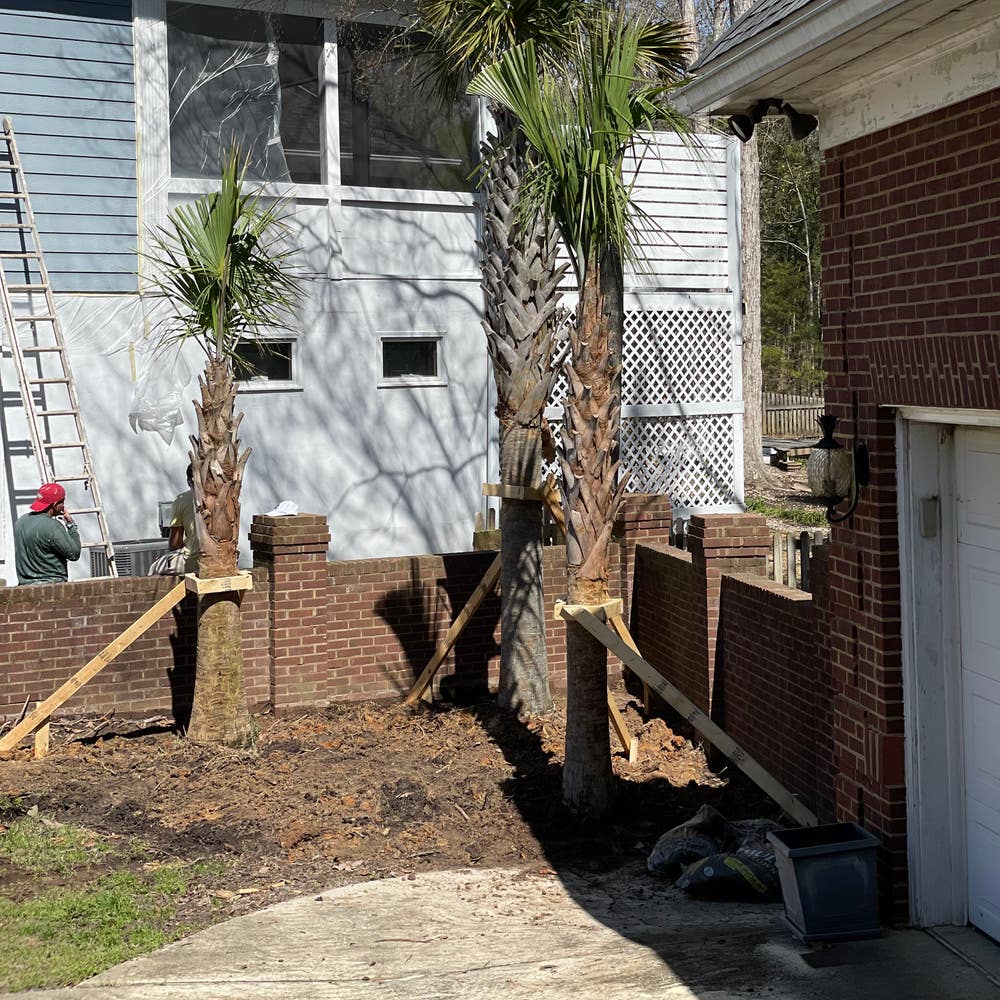
It's essential to maintain a distance of at least 10 feet from buildings when planting your Cabbage Palm. This space allows for healthy growth and adequate airflow around the palm.
Be mindful of nearby structures that may cast shade. Understanding how buildings affect sunlight exposure can help you choose the best location for your palm, ensuring it receives the light it needs to thrive.
With these considerations in mind, you can create a flourishing environment for your Cabbage Palm. Next, let’s explore the importance of microclimate considerations in your planting strategy.
Microclimate Considerations
🌤️ Identifying Microclimates
Microclimates are fascinating little pockets of climate that differ from the surrounding areas. They can be influenced by various factors, including elevation, proximity to water bodies, and wind patterns.
🌍 Factors to Consider
When assessing microclimates, think about how these elements interact. For instance, areas near lakes or rivers may experience more humidity, while elevated spots can be cooler and breezier.
🌱 Utilizing Microclimates
To make the most of these unique conditions, consider where to plant your Cabbage Palm.
Warmer Spots
Look for areas that receive reflected heat from walls or pavements. These spots can provide a cozy environment for your palm, promoting healthy growth.
Cooler Areas
On the flip side, avoid low-lying spots that tend to collect cold air, especially in cooler climates. These areas can stunt growth and lead to other issues.
Understanding microclimates can significantly enhance your gardening success. By strategically placing your Cabbage Palm, you can create an ideal environment for it to thrive.
Next, let’s delve into the drainage requirements essential for your palm’s health.
Drainage Requirements
Importance of Proper Drainage 🌊
Proper drainage is crucial for the health of your Cabbage Palm. Poor drainage can lead to root rot, particularly in cooler climates where excess moisture can linger.
Assessing Drainage Conditions 🔍
To evaluate your soil's drainage, conduct a simple test. Dig a hole about 12 inches deep and fill it with water; if it drains within 24 hours, your drainage is adequate.
Improving Drainage 🛠️
If you find that your drainage is lacking, don’t worry—there are solutions. Consider using raised beds to elevate your plants or amend your soil with sand and organic matter to enhance drainage capabilities.
By ensuring your Cabbage Palm has the right drainage conditions, you set the stage for a thriving plant. Next, let’s explore how to assess microclimate considerations for optimal growth.
⚠️ Safety First
This content is for general information and may contain errors, omissions, or outdated details. It is not medical, veterinary advice, or an endorsement of therapeutic claims.
Always consult a qualified healthcare professional before using any plant as food, medicine, or supplement.
Never eat any plant (or feed one to pets) without confirming its identity with at least two trusted sources.
If you suspect poisoning, call Poison Control (800) 222-1222, the Pet Poison Helpline (800) 213-6680, or your local emergency service immediately.
Spotted an error? Please report it here.
Plant your Cabbage Palm in the perfect spot for vibrant growth 🌱, and let Greg guide you with tailored care reminders to keep it thriving all year round!