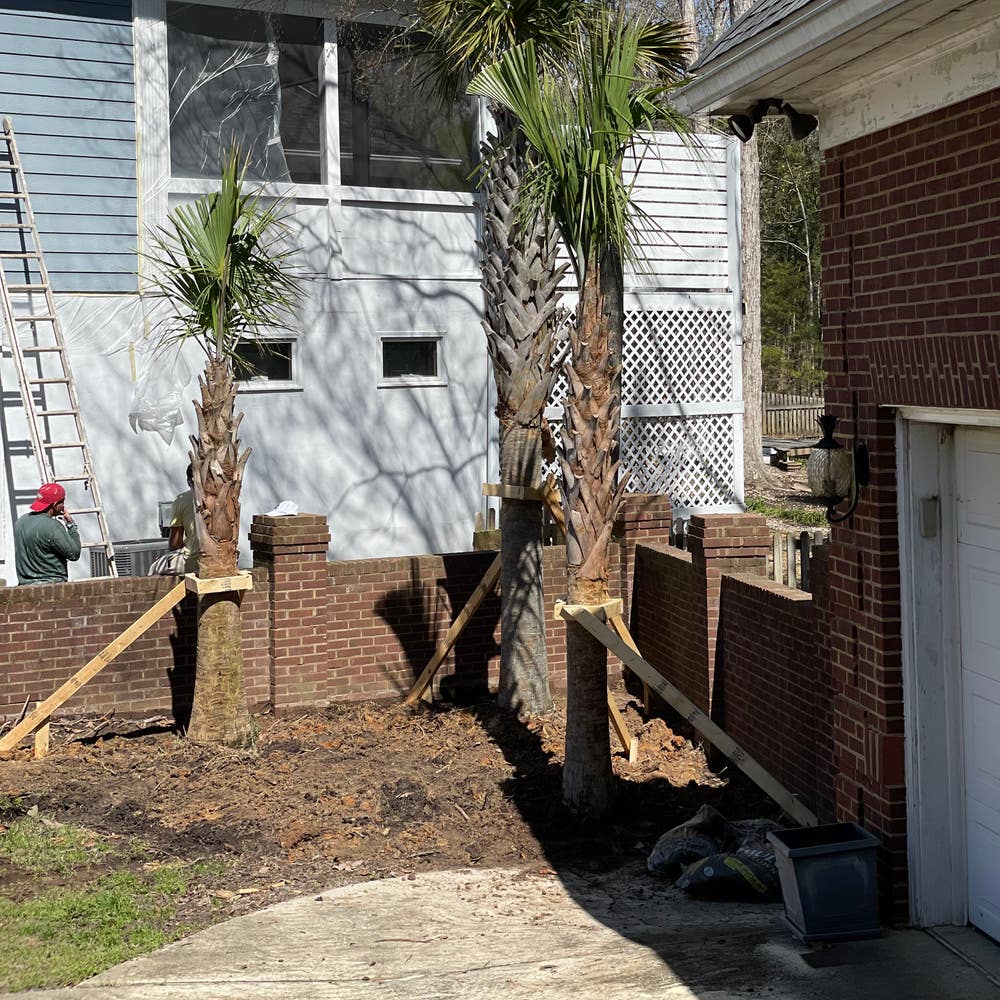
Best Climate for Sabal Palm: Zones 8a-11b 🌴
Sabal palmetto
By the Greg Editorial Team
Oct 15, 2024•4 min read
This article was created with the help of AI so we can cover more plants for you. May contain errors. See one? Report it here.
Master Sabal palm care 🌴 by understanding their temperature tolerance and ideal growing conditions for thriving growth!
- 🌴 Sabal palms thrive in USDA Zones 8a-11b, ideal for warmer climates.
- ❄️ They tolerate brief cold but are vulnerable to prolonged frost; monitor temperatures closely.
- 🌊 Coastal regions offer milder temperatures and humidity, perfect for Sabal palm growth.
Sabal Palm Temperature Tolerance
❄️ Cold Tolerance Specifics
Sabal palms can handle temperatures as low as 20°F (-6°C) for brief periods. While they can survive short bouts of frost, prolonged exposure can lead to significant damage.
☀️ Heat Tolerance Specifics
On the flip side, these palms thrive in temperatures reaching up to 100°F (38°C). They particularly favor warm, humid climates, which mimic their native habitats.
🌡️ Impact of Temperature Extremes on Sabal Palm
Extreme cold can cause leaf damage and stunt growth, impacting the overall health of the palm. Conversely, extreme heat poses risks like dehydration and sunburn on the leaves, making it crucial to monitor conditions closely.
Understanding these temperature tolerances is essential for anyone looking to cultivate Sabal palms successfully. Next, we’ll explore the ideal regions for growing these resilient trees.
Ideal Regions for Growing Sabal Palm
🌴 Examples of US States in Zones 8a-11b
Sabal palms thrive in several states across the U.S., particularly in Zones 8a-11b. Notable states include Florida, Texas, Louisiana, California, and parts of South Carolina, where the climate is just right for these resilient palms.
In Florida, the southern regions, especially around Miami and the Keys, offer ideal conditions. Texas has suitable areas in the southern parts, while Louisiana's warm, humid climate supports healthy growth. California's coastal regions, like San Diego, provide a perfect environment, and South Carolina's Lowcountry mimics the palm's native habitat beautifully.
☀️ Factors Contributing to Ideal Growing Conditions
Warm, humid climates are essential for Sabal palms. Consistent temperatures and moisture levels help these palms flourish, making them a common sight in tropical and subtropical regions.
Soil type also plays a crucial role. Sabal palms prefer well-drained, sandy soils that allow their roots to breathe and grow robustly. This combination of climate and soil creates a nurturing environment for these palms to thrive.
🌍 Comparison of Different Regions Within the Suitable Zones
Within Zones 8a-11b, there’s significant variability in climate. Coastal areas often enjoy milder temperatures and higher humidity compared to inland regions, which can experience more extreme weather.
Local weather patterns can greatly influence growth. For instance, coastal breezes can moderate temperatures, while inland areas may face harsher conditions. Understanding these nuances can help you choose the best spot for planting Sabal palms, ensuring they reach their full potential.
As we explore further, let’s dive into the fascinating world of microclimates and how they can impact the growth of Sabal palms.
Microclimates and Their Impact
🌍 Definition of Microclimates
Microclimates are localized climate conditions that differ from the broader climate zone surrounding them. They can be influenced by various factors, such as buildings, bodies of water, and even vegetation.
🌡️ How Microclimates Can Extend Growing Range
Microclimates can create warmer or cooler conditions compared to the surrounding areas. For the Sabal Palm, this means protection from frost and opportunities for enhanced growth.
🌆 Examples of Microclimates That Benefit Sabal Palm
Urban areas often exhibit heat islands, where temperatures are higher due to human activity and infrastructure. This increased warmth can be beneficial for Sabal Palms.
Coastal regions also provide moderated temperatures, thanks to the ocean's influence. These areas can create a more stable environment for the Sabal Palm, promoting healthy growth.
Understanding microclimates is essential for maximizing the potential of your Sabal Palm. By recognizing these localized conditions, you can create an ideal environment for this resilient plant.
State-Level Suitability Analysis
List of Suitable States for Sabal Palm 🌴
Sabal palms thrive in several states across the U.S., particularly in warmer climates.
- Florida: This state is a haven for Sabal palms, thanks to its consistently warm and humid climate.
- Texas: The southern regions offer ideal conditions for growth, especially near the coast.
- Louisiana: Known for its consistent warmth and humidity, Louisiana provides a perfect environment.
- California: Coastal areas in California boast favorable conditions, making it suitable for these palms.
- South Carolina: The Lowcountry regions mimic the Sabal palm's native habitat, supporting healthy growth.
List of Unsuitable States for Sabal Palm 🚫
Not all states are conducive to the growth of Sabal palms.
- Northern States: States like Maine and North Dakota are too cold for Sabal palms to survive.
- Mountainous Regions: Areas such as Colorado and Wyoming experience extreme temperature fluctuations, making them unsuitable.
Reasons for Suitability or Unsuitability Based on Climate Factors 🌡️
Understanding the climate factors is crucial for determining where Sabal palms can thrive.
- Cold Tolerance Limits: Prolonged frost can severely damage Sabal palms, limiting their growth in colder regions.
- Heat and Humidity Requirements: These palms flourish in consistent warm conditions, making humidity essential for optimal growth.
In summary, if you're considering planting a Sabal palm, focus on the southern states where the climate aligns with their needs. This knowledge will help you cultivate a thriving palm that enhances your landscape. Next, let’s explore how microclimates can further influence the growing conditions for Sabal palms.
⚠️ Safety First
This content is for general information and may contain errors, omissions, or outdated details. It is not medical, veterinary advice, or an endorsement of therapeutic claims.
Always consult a qualified healthcare professional before using any plant as food, medicine, or supplement.
Never eat any plant (or feed one to pets) without confirming its identity with at least two trusted sources.
If you suspect poisoning, call Poison Control (800) 222-1222, the Pet Poison Helpline (800) 213-6680, or your local emergency service immediately.
Spotted an error? Please report it here.
Grow thriving Sabal palms 🌴 by using Greg's tailored climate insights and care reminders to create the ideal environment for your plants!