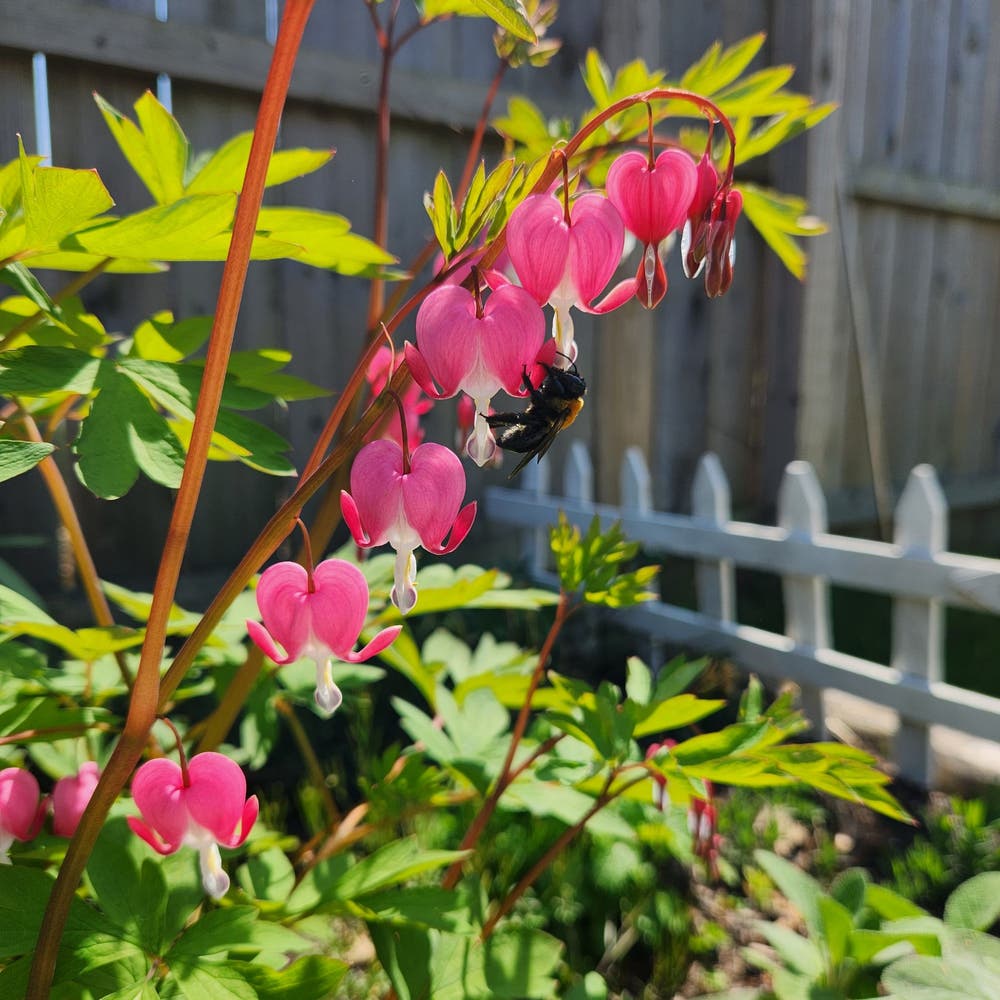
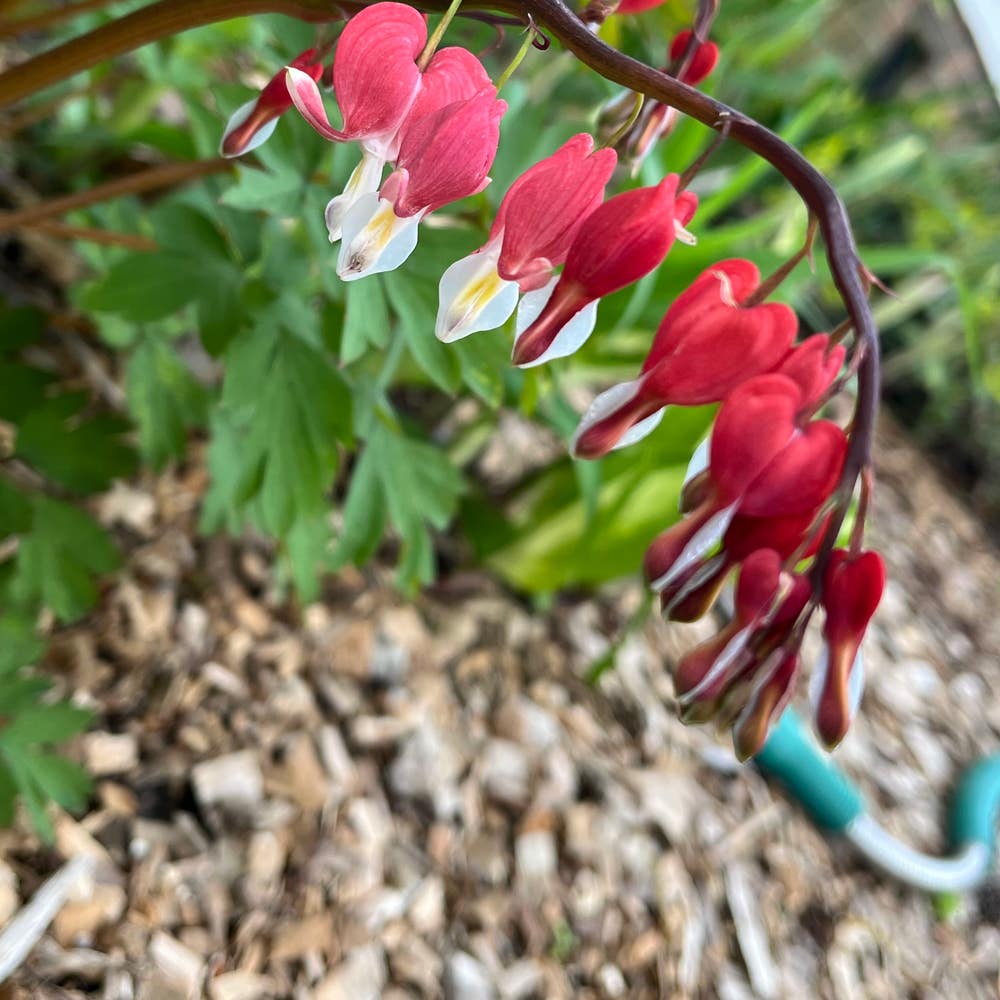
❤️ Where to Plant Your Bleeding Heart Vine
Clerodendrum thomsoniae
By the Greg Editorial Team
Oct 02, 2024•4 min read
This article was created with the help of AI so we can cover more plants for you. May contain errors. See one? Report it here.
- 🌞 Bleeding heart vines need 4-6 hours of bright, indirect sunlight daily for optimal growth.
- 🌱 Well-draining, slightly acidic soil (pH 6.0-7.0) is crucial for healthy roots.
- 🌬️ Wind protection and proper spacing enhance growth and prevent fungal diseases.
Sunlight Exposure Requirements
🌞 Full Sun vs. Partial Shade
For your bleeding heart vine to thrive, it needs bright, indirect sunlight. Ideally, aim for 4-6 hours of direct sunlight daily to promote robust growth.
While this vine can tolerate some shade, be aware that it may impact flowering. Less light can lead to fewer blooms, so finding that sweet spot is crucial.
🌑 Effects of Too Much Shade
Excessive shade can lead to reduced flowering and leggy growth. If you notice yellowing leaves or stunted growth, it’s a sign your plant isn’t getting enough light.
Understanding these light requirements will help you choose the best spot for your bleeding heart vine. Next, let’s explore the ideal soil conditions to ensure your plant flourishes.
Soil Type and Conditions
Preferred Soil pH and Texture 🌱
For your Bleeding Heart Vine to thrive, aim for slightly acidic to neutral soil, with a pH between 6.0 and 7.0. This range supports optimal nutrient uptake, ensuring your plant stays healthy and vibrant.
The texture of the soil is equally important. A well-draining mix rich in organic matter will provide the best environment for growth. This combination allows roots to breathe while retaining essential moisture.
Importance of Drainage 🚰
Proper drainage is crucial to prevent root rot, a common issue that can devastate your plant. Ensure your soil allows excess water to escape, keeping roots healthy and happy.
Watch for signs of poor drainage, such as water pooling around the base of the plant, yellowing leaves, or wilting. These indicators suggest that your Bleeding Heart Vine may need a better-draining location or amendments to improve soil structure.
By understanding the soil type and drainage needs, you set the stage for a flourishing Bleeding Heart Vine. Next, let’s explore how to position your plant for optimal growth.
Proximity to Structures and Other Plants
🌱 Companion Planting Considerations
Choosing the right companions for your bleeding heart vine can make all the difference. Look for plants that share similar light and water needs to create a harmonious garden environment.
Companion planting not only enhances growth but also boosts pest resistance. By planting compatible species together, you can create a thriving ecosystem that benefits all your plants.
🚫 Avoiding Overcrowding
When planting your bleeding heart vine, spacing is crucial. Aim to plant them at least 2-3 feet apart from other plants to ensure they have enough room to grow.
Proper spacing promotes air circulation, which is vital for preventing fungal diseases. This simple step can lead to healthier plants and a more vibrant garden overall.
With these considerations in mind, you’ll be well on your way to creating a flourishing garden. Next, let’s explore how to assess the best spot for your bleeding heart vine, focusing on sunlight patterns and microclimates.
Assessing the Best Spot
Evaluating Sunlight Patterns ☀️
When planting your Bleeding Heart Vine, consider the sunlight it will receive. Morning sun is gentler and more forgiving, while afternoon sun can be intense and scorching.
Seasonal changes also play a crucial role. As the seasons shift, the angle and intensity of sunlight can vary, so take note of how light exposure changes throughout the year.
Understanding Microclimates 🌳
Microclimates can significantly impact your plant's health. Look for warm areas created by walls, fences, or trees that can provide shelter and warmth.
Nearby structures can also influence your vine's growth. Buildings may offer shade during the hottest parts of the day or retain heat, creating a more favorable environment for your Bleeding Heart Vine.
By carefully evaluating sunlight patterns and understanding microclimates, you can ensure your plant thrives in its new home. This thoughtful approach sets the stage for optimal growth and blooming, leading to a vibrant garden display.
Wind Protection and Drainage
🌬️ Importance of Windbreaks
Wind can be a silent enemy for your Bleeding Heart Vine. Natural wind protection, like trees or shrubs, can shield your plants from harsh gusts, promoting healthier growth.
Artificial windbreaks, such as fences or trellises, also provide necessary support. They help create a more stable environment, allowing your vine to thrive.
📍 Placement Strategies for Optimal Growth
Positioning your Bleeding Heart Vine near windbreaks is crucial. This strategy ensures your plant gets the sunlight it needs while staying protected from strong winds.
Avoiding exposed areas is equally important. This reduces stress on the plant, allowing it to focus on growth rather than battling the elements.
🚰 Ensuring Proper Drainage
Proper drainage is vital for your vine's health. Signs of poor drainage include waterlogged soil and slow absorption, which can lead to root rot.
To improve drainage, consider raised beds, adding organic matter, or using gravel. These solutions create a healthier environment, allowing your Bleeding Heart Vine to flourish.
With the right wind protection and drainage strategies in place, your vine will be well-equipped to thrive. Next, let’s explore how to assess the best spot for planting, focusing on sunlight patterns and microclimates.
⚠️ Safety First
This content is for general information and may contain errors, omissions, or outdated details. It is not medical, veterinary advice, or an endorsement of therapeutic claims.
Always consult a qualified healthcare professional before using any plant as food, medicine, or supplement.
Never eat any plant (or feed one to pets) without confirming its identity with at least two trusted sources.
If you suspect poisoning, call Poison Control (800) 222-1222, the Pet Poison Helpline (800) 213-6680, or your local emergency service immediately.
Spotted an error? Please report it here.
Create the perfect haven for your bleeding heart vine 🌿 with Greg's tailored tips on sunlight, soil, and spacing to ensure it thrives beautifully!