💖 Bleeding Heart Vine: A Perennial Plant
Clerodendrum thomsoniae
By the Greg Editorial Team
Oct 02, 2024•5 min read
This article was created with the help of AI so we can cover more plants for you. May contain errors. See one? Report it here.
- 🌱 Bleeding Heart Vine thrives for years, blooming vibrantly from late spring to early summer.
- ❄️ Dormancy is crucial for health; it conserves energy during colder months.
- 🌞 Adaptable to light conditions, this perennial saves time by not needing annual replanting.
Characteristics of Bleeding Heart Vine as a Perennial
🌱 Multi-Year Lifecycle
Bleeding Heart Vine is a perennial that showcases a fascinating multi-year lifecycle. It begins with sprouting in early spring, transitioning through lush growth, vibrant flowering, and eventually entering a dormant phase as temperatures drop.
Typically, this plant flourishes from late spring to early summer, with its most stunning blooms appearing during this peak period. As the seasons change, it prepares for dormancy, signaling a time for rest and rejuvenation.
🌿 Growth Patterns and Regrowth
One of the remarkable features of Bleeding Heart Vine is its robust root system, which plays a crucial role in its regrowth. These deep roots store energy and nutrients, allowing the plant to bounce back each spring, even after harsh winters.
This vine is incredibly resilient and adaptable, thriving in various conditions—from sunny spots to partial shade. Its ability to adjust to different environments makes it a favorite among gardeners looking for a low-maintenance yet stunning addition to their landscape.
With its unique lifecycle and growth patterns, Bleeding Heart Vine not only beautifies gardens but also teaches us about the wonders of nature's resilience. As we explore its seasonal changes and dormancy next, we'll uncover how these factors further enhance its perennial charm.
Seasonal Changes and Dormancy
🌱 Dormancy Periods
Dormancy in Bleeding Heart Vine typically occurs during the colder months. Signs include wilting leaves and a noticeable slowdown in growth.
This period is crucial for the plant's overall health, allowing it to conserve energy and prepare for the next growing season. Understanding dormancy helps gardeners anticipate the plant's needs and ensure it thrives when spring arrives.
🍂 Seasonal Changes
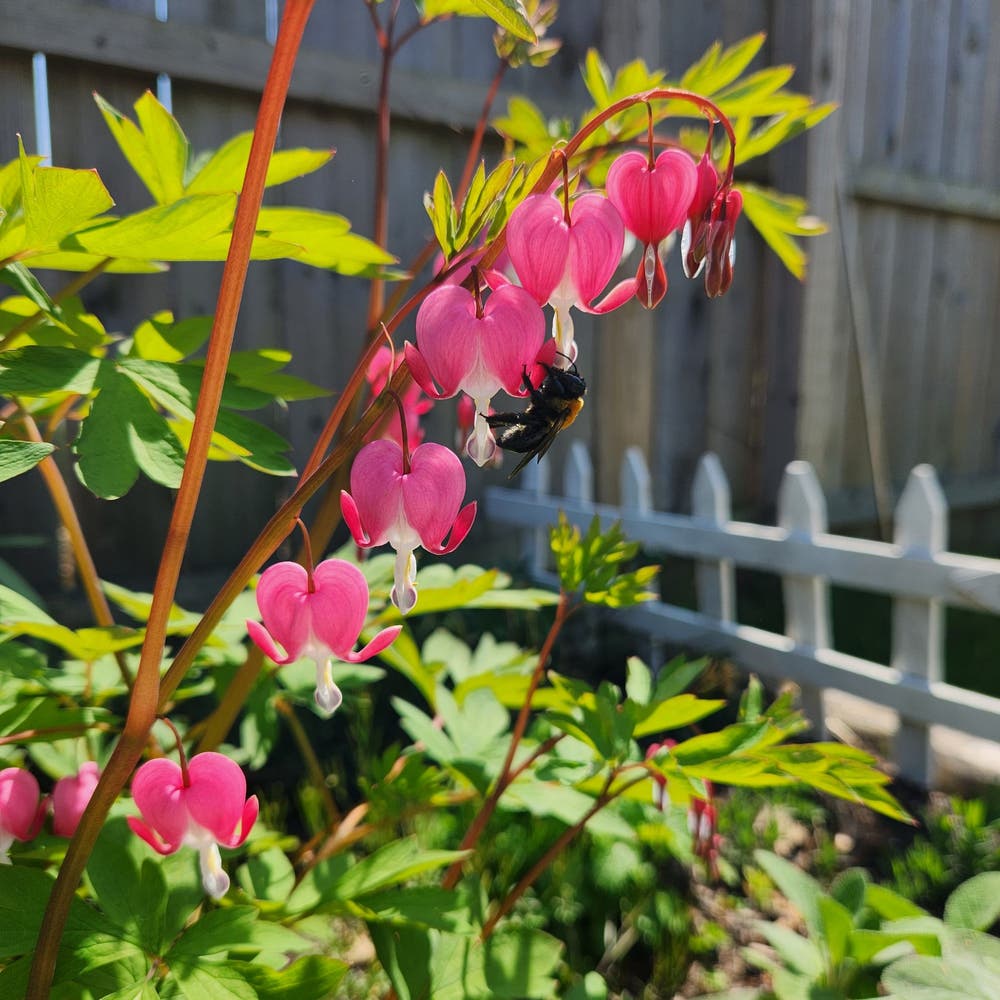
Throughout the year, Bleeding Heart Vine undergoes striking visual transformations. In spring, vibrant green leaves emerge, followed by stunning heart-shaped flowers that attract pollinators.
As summer progresses, the foliage remains lush, but by fall, the leaves may start to yellow and drop. These seasonal changes not only affect the plant's appearance but also its flowering patterns and overall vigor, making it essential for gardeners to adapt their care accordingly.
In the next section, we will explore the advantages of the perennial nature of Bleeding Heart Vine, highlighting its long-term benefits for gardeners.
Advantages of Perennial Nature
🌱 Benefits of Reduced Replanting
Bleeding Heart Vine offers a fantastic long-term investment for gardeners. Unlike annuals, which require replanting each year, perennials like this vine come back season after season, saving you both time and money.
This convenience means less labor-intensive work for you. Once established, your Bleeding Heart Vine will flourish with minimal effort, allowing you to enjoy its beauty without the hassle of constant replanting.
🌳 Importance of Established Root Systems
One of the standout features of Bleeding Heart Vine is its deep root system. These roots enhance nutrient uptake, making the plant more resilient to drought conditions.
Additionally, established roots provide stability during varying weather conditions. This support is crucial for maintaining plant health, ensuring your vine thrives even when faced with challenges.
With these advantages, the Bleeding Heart Vine proves to be a reliable choice for any garden enthusiast. As we explore its lifespan and longevity factors next, you'll see how these elements contribute to its enduring appeal.
Lifespan and Longevity Factors
Expected Lifespan 🌱
Bleeding Heart Vine typically thrives for about 5 to 10 years, depending on care and environmental conditions. This lifespan is quite impressive when compared to many annuals, which only last a single growing season.
Comparison with Other Perennials 🌼
When stacked against other perennials, Bleeding Heart Vine holds its own. Many perennials can live for decades, but the vine's vibrant blooms and lush foliage make its shorter lifespan feel worthwhile.
Factors Influencing Longevity 🌍
Several environmental factors play a crucial role in the longevity of Bleeding Heart Vine.
- Soil Quality: Well-draining, nutrient-rich soil promotes healthy growth and extends lifespan.
- Water Availability: Consistent moisture is essential; too much or too little can stress the plant.
- Light Exposure: While it prefers partial shade, too much direct sunlight can lead to wilting.
Impact of Climate Zones on Lifespan and Health ☀️
Climate zones significantly affect the health and longevity of Bleeding Heart Vine.
- In tropical climates, the vine may flourish year-round, while in temperate zones, it may experience dormancy during colder months.
- Understanding your local climate can help you provide the best care, ensuring your vine remains vibrant and healthy.
With the right conditions and care, your Bleeding Heart Vine can thrive for years, bringing beauty to your garden. Next, let’s explore how climate zone variations influence its behavior and growth patterns.
Climate Zone Variations
🌍 Variations in Behavior Across Climate Zones
Bleeding Heart Vine showcases remarkable adaptability, thriving in both tropical and temperate climates. In tropical regions, it often grows vigorously year-round, while in temperate zones, it may experience a more pronounced seasonal cycle.
Temperature and humidity play crucial roles in its growth patterns. Warmer temperatures can accelerate growth, leading to earlier blooming, while higher humidity levels can enhance its lush foliage. Conversely, cooler temperatures may slow down growth, prompting the plant to conserve energy.
🌱 Tips for Maximizing Benefits
Strategic planting is essential for optimizing the Bleeding Heart Vine's performance. Choose a location that aligns with your climate zone, ensuring it receives adequate sunlight without being exposed to harsh winds.
Maintenance practices can significantly enhance longevity and flowering. Regular watering is vital, especially during dry spells. Mulching helps retain soil moisture and regulate temperature, while fertilization can boost nutrient availability, promoting vibrant blooms.
By understanding these climate zone variations and implementing thoughtful care, you can enjoy the beauty of Bleeding Heart Vine for years to come. Next, let’s explore the expected lifespan and longevity factors that influence this stunning perennial.
⚠️ Safety First
This content is for general information and may contain errors, omissions, or outdated details. It is not medical, veterinary advice, or an endorsement of therapeutic claims.
Always consult a qualified healthcare professional before using any plant as food, medicine, or supplement.
Never eat any plant (or feed one to pets) without confirming its identity with at least two trusted sources.
If you suspect poisoning, call Poison Control (800) 222-1222, the Pet Poison Helpline (800) 213-6680, or your local emergency service immediately.
Spotted an error? Please report it here.
Nurture your Bleeding Heart Vine to bloom beautifully 🌸 each season with Greg's tailored care tips and watering reminders that ensure your perennial thrives for years to come!