Top 3 Signs Your Bleeding Heart Vine Needs Pollination 🐝
Clerodendrum thomsoniae
By the Greg Editorial Team
Oct 02, 2024•6 min read
This article was created with the help of AI so we can cover more plants for you. May contain errors. See one? Report it here.
- 🌺 Bleeding Heart Vine attracts bees, butterflies, and hummingbirds for effective pollination.
- 🌱 Self-pollination ensures seed production, but limits genetic diversity in the vine.
- 🐝 Creating a pollinator-friendly garden enhances pollination success and supports local ecosystems.
Flower Structure
Description of Characteristics 🌸
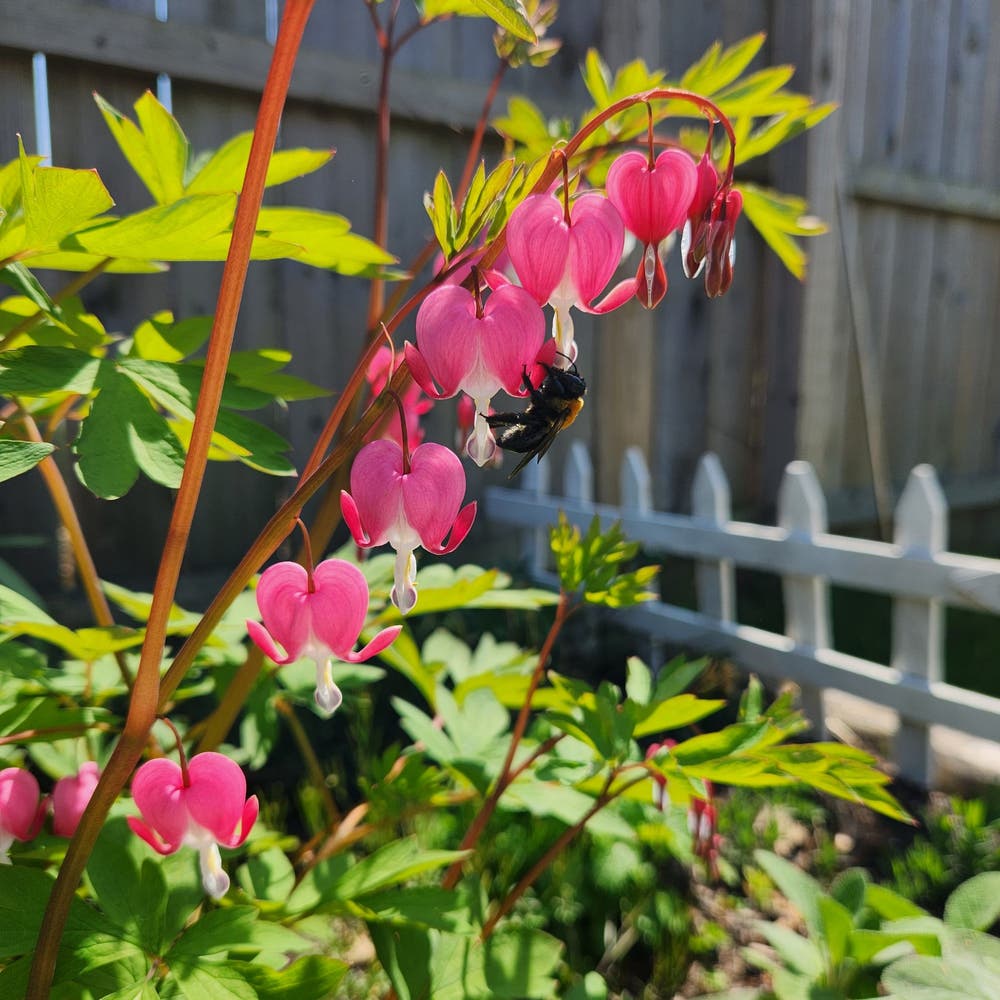
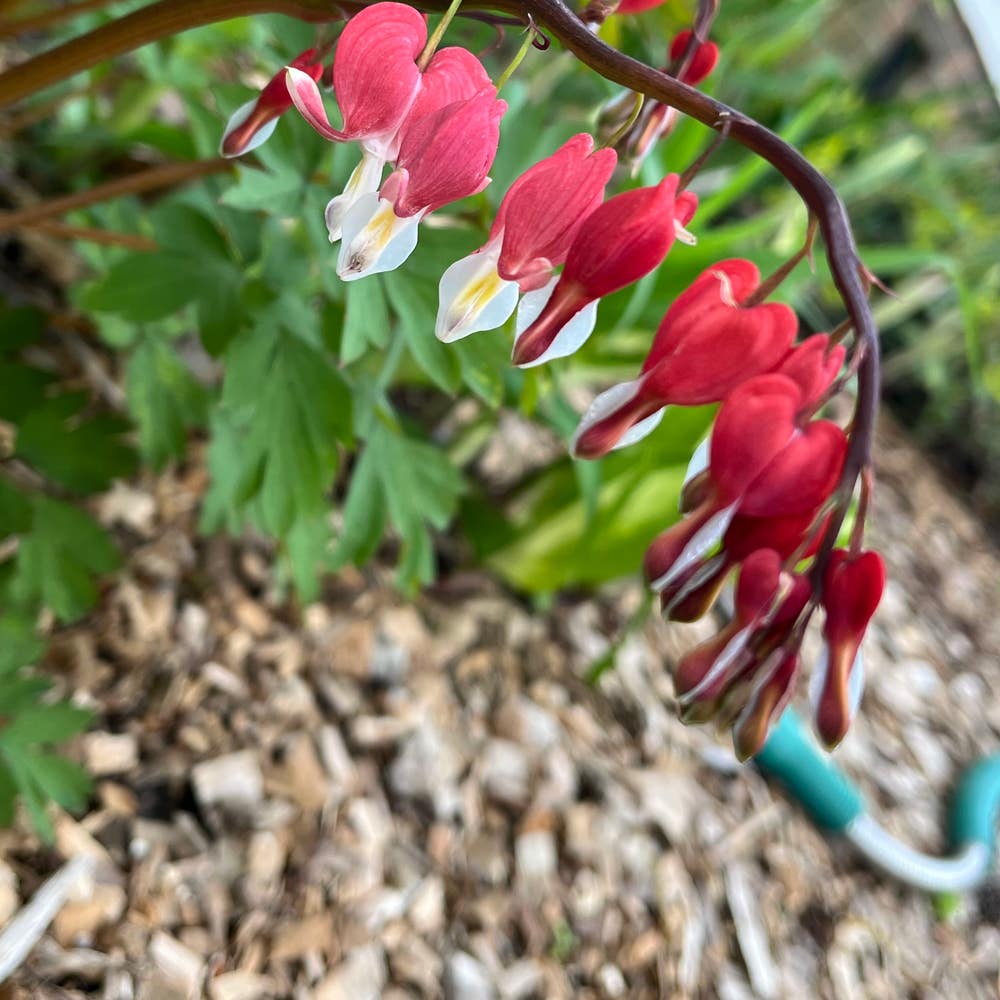
The Bleeding Heart Vine boasts heart-shaped flowers that are visually striking. These blooms come in vibrant colors, primarily red and white, which attract a variety of pollinator species.
Clusters of flowers grow on long stems, enhancing their visibility to potential pollinators. This arrangement not only makes them eye-catching but also encourages frequent visits from creatures seeking nectar.
Role in Pollination 🐝
The unique structure of these flowers plays a crucial role in their pollination process. Their design facilitates both self-pollination and cross-pollination, ensuring that the plant can reproduce effectively.
Self-pollination occurs when pollen from the male parts of the flower fertilizes the female parts within the same bloom. However, cross-pollination, aided by visiting pollinators, can lead to greater genetic diversity and healthier offspring.
Understanding these characteristics helps gardeners appreciate the intricate relationship between the Bleeding Heart Vine and its pollinators. This knowledge sets the stage for exploring the fascinating pollination process that follows.
Pollination Process
Self-Pollination Mechanisms 🌱
Bleeding Heart Vine has a fascinating ability to self-pollinate. This mechanism allows the plant to produce seeds without needing external pollinators, ensuring reproduction even in less-than-ideal conditions.
However, relying solely on self-pollination can limit genetic diversity. By encouraging cross-pollination through various methods, you can enhance fruit and seed production, leading to healthier plants.
Primary Pollinators 🐝
Bees
Bees are the primary pollinators of Bleeding Heart Vine. Their attraction to the vibrant colors and sweet scents of the flowers makes them essential for effective pollen transfer.
Butterflies 🦋
Butterflies also play a significant role in pollination. As they feed on nectar, they inadvertently carry pollen from one flower to another, promoting cross-pollination.
Hummingbirds 🐦
Hummingbirds are drawn to the unique shape and nectar of Bleeding Heart Vine flowers. Their rapid movements help facilitate pollen transfer, making them valuable allies in the pollination process.
Attraction Mechanisms 🌼
Scent
The floral fragrance of Bleeding Heart Vine is a powerful attractant for pollinators. This scent signals to bees, butterflies, and hummingbirds that a rewarding meal awaits.
Nectar 🍯
Nectar serves as a delicious incentive for pollinators. By providing this sweet reward, the vine encourages frequent visits, which boosts the chances of successful pollination.
Understanding these mechanisms not only highlights the beauty of Bleeding Heart Vine but also emphasizes the importance of nurturing a pollinator-friendly environment. Next, we’ll explore natural pollination and its vital role in reproduction and genetic diversity.
Natural Pollination
🌬️ Pollen Transfer Mechanisms
During natural pollination, pollen moves from the male parts of the Bleeding Heart Vine flower, known as stamens, to the female parts, called pistils. This transfer is primarily facilitated by wind and insects, which play a crucial role in ensuring the plant's reproductive success.
Insects, especially bees and butterflies, are attracted to the flower's vibrant colors and sweet nectar. As they visit the flowers, they inadvertently carry pollen from one bloom to another, enhancing the chances of fertilization.
🌱 Importance for Reproduction and Genetic Diversity
Successful pollination is vital for seed production in Bleeding Heart Vines. When pollen reaches the stigma of a female flower, it can lead to fertilization, resulting in seeds that carry genetic information.
This genetic variation is essential for the health of the species, allowing it to adapt to changing environments and resist diseases. A diverse gene pool strengthens the plant population, ensuring its survival and resilience in nature.
Understanding these processes highlights the importance of maintaining healthy pollinator populations and ecosystems. By fostering a supportive environment, we can help ensure the continued success of these beautiful vines and their pollinators.
Hand Pollination
Hand pollination can be a rewarding way to ensure your Bleeding Heart Vine thrives. Here’s a straightforward guide to help you through the process.
Step 1: Identifying Male and Female Flower Parts 🌸
Understanding the anatomy of your flowers is crucial. The male parts, known as stamens, produce pollen, while the female parts, called pistils, receive it.
Step 2: Collecting Pollen 🌼
To collect pollen, gently tap or brush the stamens. This technique helps release the pollen without damaging the flower.
Step 3: Transferring Pollen 🌿
Once you have collected the pollen, apply it to the stigma of the female flower. This step is essential for successful fertilization.
Step 4: Timing for Successful Fertilization ⏰
Timing matters! The best times for hand pollination are early morning or late afternoon when flowers are most receptive.
By following these steps, you can enhance the chances of your Bleeding Heart Vine producing vibrant blooms and seeds. Next, let’s explore how to support pollinators in your garden for even better results.
Supporting Pollinators
🌼 Creating a Pollinator-Friendly Environment
Designing a garden that attracts pollinators is both rewarding and essential. Start by incorporating a variety of flowering plants that bloom at different times throughout the season to provide a continuous food source.
Consider the layout of your garden. Native plants are particularly effective, as they are well-adapted to local pollinators. Additionally, creating diverse habitats—like meadows, shrubs, and trees—can encourage a wider range of pollinator species.
Water sources are crucial for pollinators. A shallow birdbath or a small pond can provide hydration. Ensure these water sources are clean and refreshed regularly to keep them inviting.
Shelter is equally important. Leave some areas of your garden a bit wild, with native grasses and flowering weeds. This not only offers refuge but also attracts beneficial insects.
🌱 Companion Plants
Companion planting can significantly enhance the activity around your Bleeding Heart Vine. Consider adding plants like lavender, which attracts bees with its fragrant flowers.
Another great option is the coneflower. Its vibrant blooms not only complement the vine but also draw in butterflies and other pollinators.
Marigolds are also beneficial; they can deter pests while providing a bright splash of color that attracts various pollinators.
By thoughtfully selecting companion plants, you can create a thriving ecosystem that supports your Bleeding Heart Vine and its pollinators.
With these strategies in place, your garden can become a haven for pollinators, ensuring a vibrant and productive environment for all your plants.
Next, let’s explore the challenges that can arise in the pollination process and how to overcome them.
Pollination Challenges
Common Obstacles 🐝
Pollination can be hindered by various environmental factors. Temperature and humidity play crucial roles in pollinator activity; extreme conditions can deter bees, butterflies, and hummingbirds from visiting your Bleeding Heart Vine.
Another significant challenge is the lack of pollinators. If you notice fewer flowers setting fruit or seeds, it may indicate insufficient pollinator presence in your garden.
Solutions 🌼
Improving pollinator habitats is essential for attracting more species. Consider planting a diverse range of flowers that bloom at different times to provide a continuous food source.
Additionally, creating sheltered areas and providing water sources can make your garden more inviting. Simple adjustments, like reducing pesticide use, can also enhance pollination success.
By fostering a pollinator-friendly environment, you not only support your Bleeding Heart Vine but also contribute to the overall health of your local ecosystem.
As we explore the next section, let’s dive into the importance of supporting pollinators and how you can create a thriving habitat for them.
⚠️ Safety First
This content is for general information and may contain errors, omissions, or outdated details. It is not medical, veterinary advice, or an endorsement of therapeutic claims.
Always consult a qualified healthcare professional before using any plant as food, medicine, or supplement.
Never eat any plant (or feed one to pets) without confirming its identity with at least two trusted sources.
If you suspect poisoning, call Poison Control (800) 222-1222, the Pet Poison Helpline (800) 213-6680, or your local emergency service immediately.
Spotted an error? Please report it here.
Boost your Bleeding Heart Vine's blooms with pollinator-friendly tips 🌺 from Greg, ensuring your garden attracts bees and butterflies for thriving, vibrant flowers!