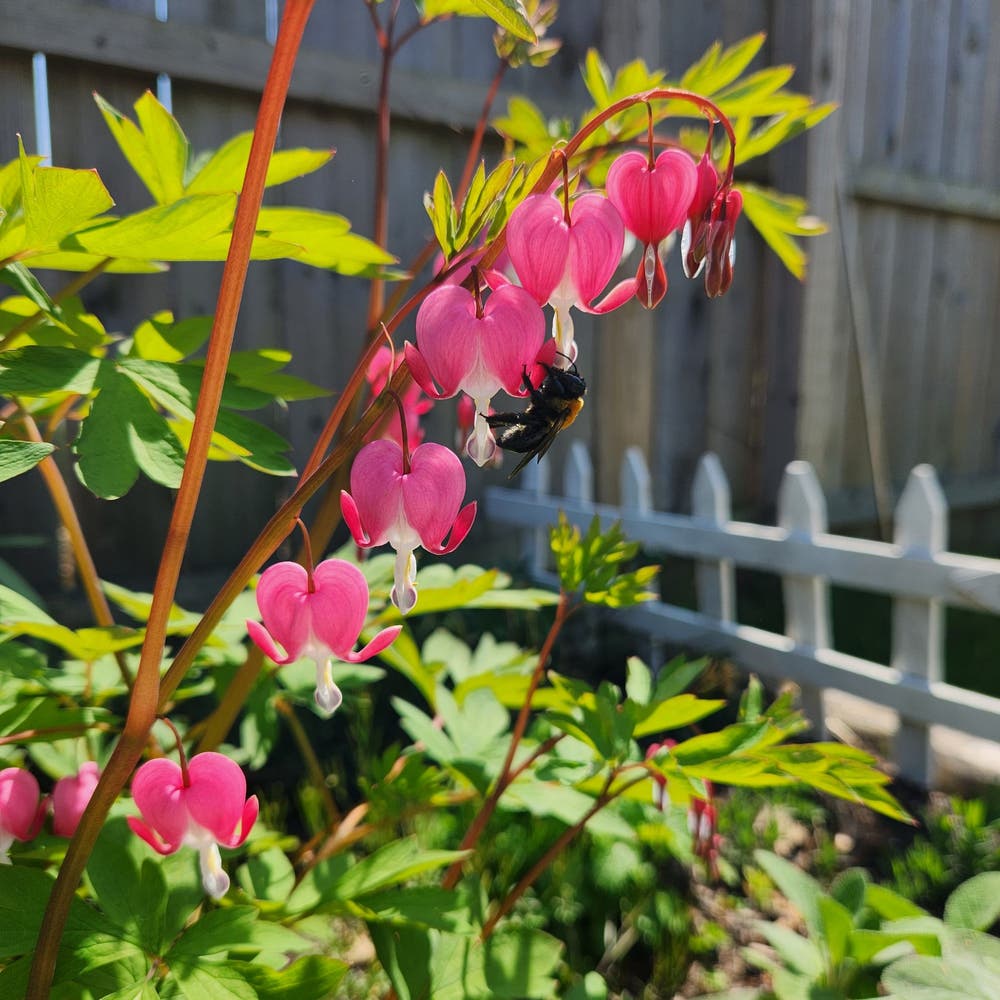
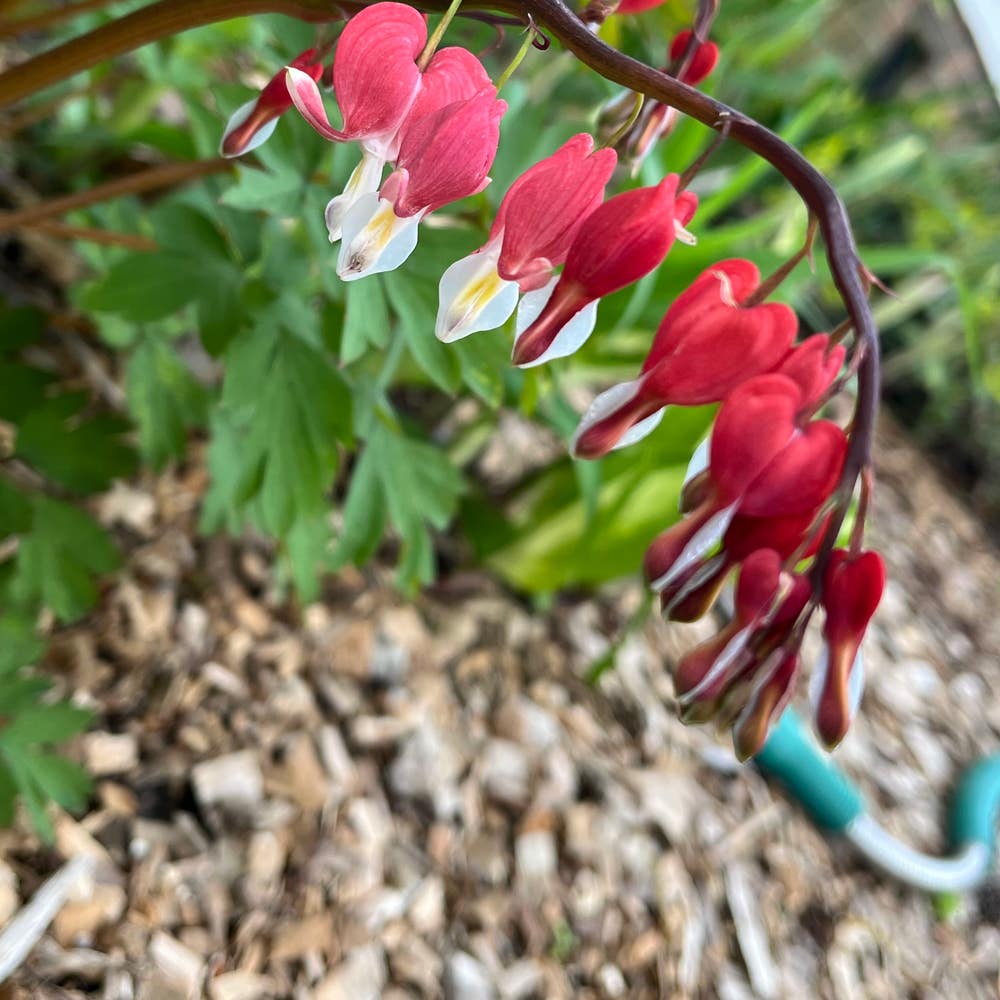
5 Tips for Growing Bleeding Heart Vine Indoors ❤️
Clerodendrum thomsoniae
By the Greg Editorial Team
Oct 02, 2024•5 min read
This article was created with the help of AI so we can cover more plants for you. May contain errors. See one? Report it here.
- 🌞 Bleeding heart vines need 6-8 hours of bright, indirect sunlight for optimal blooming.
- 🌬️ Maintain humidity levels between 60%-80% to promote healthy growth indoors.
- 🌱 Use well-draining soil and fertilize every 4-6 weeks for vibrant, thriving plants.
Light Requirements for Indoor Growth
Ideal Light Conditions 🌞
Bleeding heart vines thrive in bright, indirect sunlight for about 6-8 hours daily. While they can survive in lower light, this may hinder their blooming potential.
Role of Grow Lights 💡
To enhance growth, especially during winter months, consider using grow lights. The two most suitable types are:
- LED grow lights: These are energy-efficient and long-lasting.
- Fluorescent lights: Ideal for seedlings and plants that prefer lower light conditions.
Placement and Duration of Grow Light Exposure 🚰
When using grow lights, maintain a distance of 12-24 inches from the plant, depending on the type of light. For optimal growth, aim for 12-16 hours of exposure each day.
Understanding these light requirements will set your bleeding heart vine up for success. Next, let’s explore the ideal temperature and humidity control for these beautiful plants.
Ideal Temperature and Humidity Control
🌡️ Temperature Requirements
To keep your bleeding heart vine thriving indoors, aim for a temperature range of 65°F to 80°F (18°C to 27°C). It's crucial to avoid temperatures below 50°F (10°C), as this can stunt growth and lead to stress.
💧 Humidity Needs and Control Methods
Humidity plays a vital role in the health of your plant. Ideally, maintain humidity levels between 60% to 80% for optimal growth.
Methods for Humidity Control
- Humidifiers: These devices can help maintain consistent humidity levels, especially in dry climates or during winter.
- Pebble Trays: Place your pots on trays filled with water and pebbles. This method allows for gradual evaporation, increasing humidity around the plant.
- Grouping Plants: By placing your bleeding heart vine near other plants, you can create a microclimate that boosts humidity levels.
Keeping an eye on temperature and humidity will set your bleeding heart vine up for success. With the right conditions, you’ll enjoy lush growth and vibrant blooms.
Next, let’s explore the best soil type and potting considerations to further support your plant’s health.
Soil Type and Potting Considerations
🌱 Soil Type
For your bleeding heart vine to thrive, use a well-draining potting mix enriched with organic matter. Aim for a pH level between 6.0 and 7.0, which is slightly acidic to neutral.
🪴 Potting Considerations
When choosing a pot, select one that is 1-2 inches larger than the root ball to allow for growth. Always ensure your pots have drainage holes; this is crucial to prevent root rot and keep your plant healthy.
By focusing on the right soil and potting conditions, you set the stage for a flourishing indoor garden. Next, let’s explore how to maintain an ideal temperature and humidity for your bleeding heart vine.
Fertilization Schedule and Types of Fertilizers
Fertilization Frequency 🌱
To keep your bleeding heart vine thriving, fertilize every 4-6 weeks during the growing season, which spans spring and summer. This regular feeding helps ensure your plant gets the nutrients it needs to flourish.
Types of Fertilizers 🧪
When it comes to fertilizers, opt for a balanced liquid fertilizer with a ratio like 20-20-20. Alternatively, slow-release granules can provide a consistent nutrient supply, making it easier to maintain healthy growth over time.
Signs of Nutrient Deficiency ⚠️
Watch for yellowing leaves, which often signal a nitrogen deficiency. Stunted growth is another red flag, indicating your plant may be lacking essential nutrients.
By keeping an eye on your fertilization schedule and recognizing these signs, you can ensure your bleeding heart vine remains vibrant and healthy. Next, let’s explore common issues and solutions to keep your plant thriving.
Common Issues and Solutions
🐞 Identifying and Preventing Pests
Bleeding Heart Vines can attract pests like aphids, spider mites, and mealybugs. Regular inspections are key; check the undersides of leaves and stems to catch infestations early.
Maintaining plant health is your best defense. A strong, well-cared-for plant is less likely to fall victim to pests.
🦠 Addressing Common Diseases
Root rot and powdery mildew are common diseases that can affect your vine. To prevent these issues, focus on proper watering techniques—allow the soil to dry out between waterings.
Good air circulation is also crucial. Ensure your plant isn’t crowded, as this can lead to stagnant air and increased humidity, both of which foster disease.
🍂 Solutions for Yellowing Leaves or Wilting
If you notice yellowing leaves or wilting, it could be due to overwatering, underwatering, or nutrient deficiencies. Start by adjusting your watering schedule; ensure you’re neither overdoing it nor letting the soil dry out completely.
Next, check for pests or diseases that might be affecting your plant. A little detective work can go a long way in restoring your Bleeding Heart Vine to its vibrant self.
With these tips, you can tackle common issues head-on and keep your plant thriving. Now, let’s explore how to enhance its placement and aesthetics for a stunning indoor display.
Placement and Aesthetics
Best Locations in the Home 🌅
To thrive, your bleeding heart vine loves bright, indirect light. Position it near east or west-facing windows to maximize its exposure, but steer clear of air conditioning vents and cold windows that can stress the plant.
Tips for Maintaining Appearance ✨
Keeping your vine looking its best is simple. Regularly wipe the leaves to remove dust, ensuring they can absorb light efficiently, and consider using trellises or stakes for climbing varieties to support their growth.
Companion Plants for Aesthetic Appeal 🌿
Pairing your bleeding heart vine with companion plants can enhance both beauty and health. Ferns and peace lilies are excellent choices, creating a lush environment that benefits all plants involved.
With the right placement and care, your bleeding heart vine can become a stunning focal point in your home. Next, let’s explore how to keep it healthy through proper soil and potting considerations.
⚠️ Safety First
This content is for general information and may contain errors, omissions, or outdated details. It is not medical, veterinary advice, or an endorsement of therapeutic claims.
Always consult a qualified healthcare professional before using any plant as food, medicine, or supplement.
Never eat any plant (or feed one to pets) without confirming its identity with at least two trusted sources.
If you suspect poisoning, call Poison Control (800) 222-1222, the Pet Poison Helpline (800) 213-6680, or your local emergency service immediately.
Spotted an error? Please report it here.
Transform your indoor space with a thriving Bleeding Heart Vine 🌿 by using Greg's tailored care reminders and expert tips to keep your plant blooming beautifully!