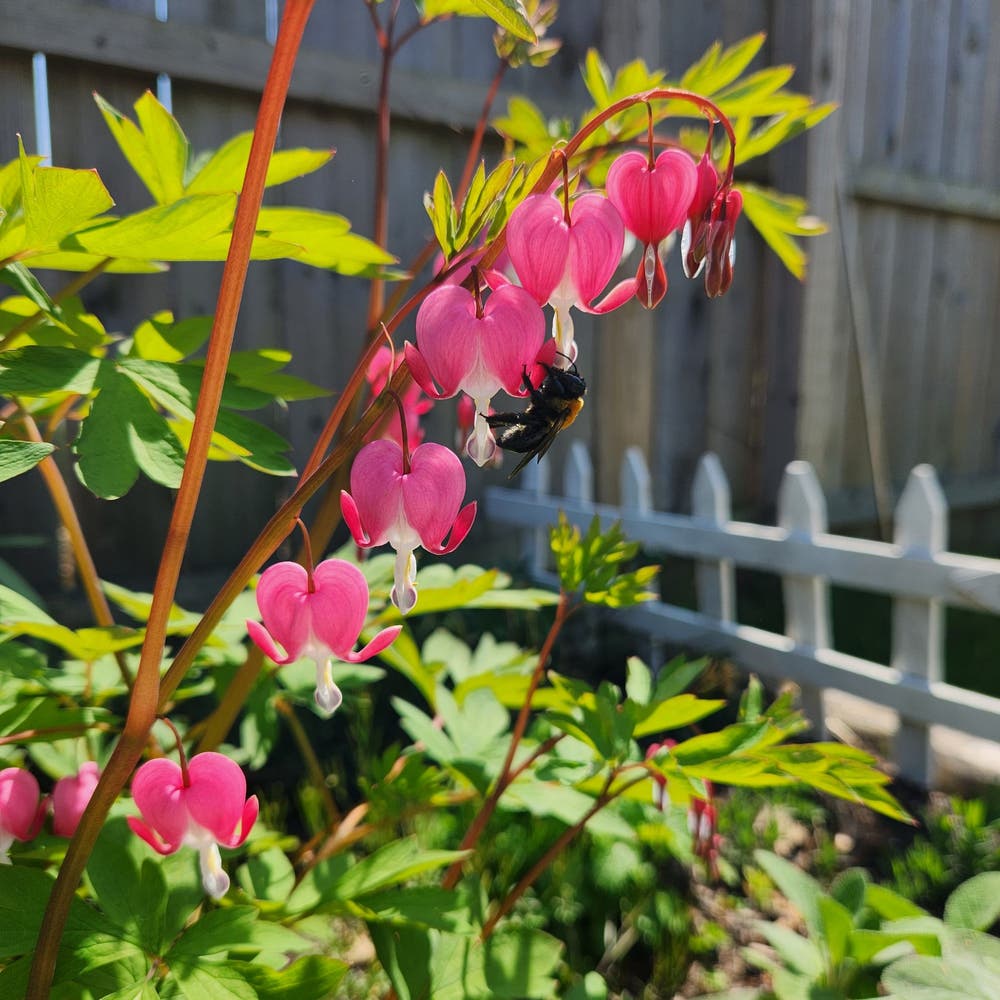
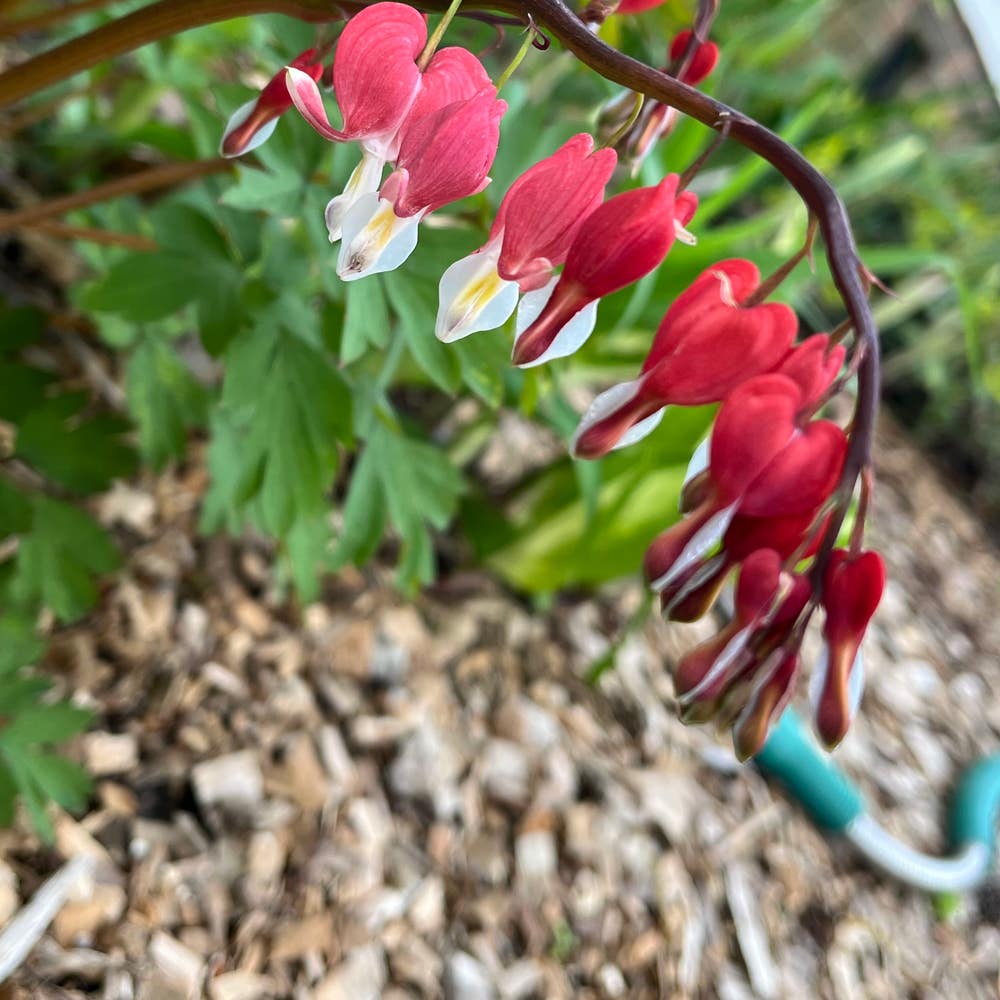
💖 9 Essential Outdoor Bleeding Heart Vine Care Routines
Clerodendrum thomsoniae
By the Greg Editorial Team
Oct 02, 2024•5 min read
This article was created with the help of AI so we can cover more plants for you. May contain errors. See one? Report it here.
- 🌞 Bleeding Heart Vine thrives in 6-8 hours of sunlight daily for optimal growth.
- 💧 Water weekly during growth; reduce in winter to prevent root rot.
- 🌱 Use well-draining soil with pH 6.0-7.0 for best results.
General Care
Sunlight Needs 🌞
For optimal growth, Bleeding Heart Vine thrives in full sun to partial shade, requiring about 6-8 hours of sunlight daily. Too much sunlight can lead to leaf scorch and reduced flowering, while insufficient light results in leggy growth and fewer blooms.
Watering Requirements 🚰
Establish a watering schedule of once a week during the growing season, tapering off in winter. Ensure the soil remains moist but not waterlogged to promote healthy growth.
Signs of overwatering include yellowing leaves and root rot, while underwatering manifests as wilting and dry leaf edges. Keep an eye on your plant to maintain the right balance.
Soil Preferences 🌱
Bleeding Heart Vine prefers well-draining, fertile soil with a pH level between 6.0 and 7.0. Proper drainage is crucial as it prevents root rot and fosters robust growth.
Fertilization Tips 🍽️
Use a balanced fertilizer every 4-6 weeks during the growing season to keep your plant nourished. Watch for signs of nutrient deficiency, such as yellowing leaves, poor growth, and reduced flowering, to ensure your vine remains vibrant and healthy.
With these general care routines in place, your Bleeding Heart Vine will flourish beautifully. Next, let’s explore the best planting options to maximize its growth potential.
Planting Options
🌱 Container vs. In-Ground Planting
Container gardening offers several benefits for Bleeding Heart Vines. First, it provides mobility, allowing you to easily reposition your plants for optimal sunlight or protection from harsh weather.
Additionally, containers create a controlled environment, making soil management and drainage more straightforward. However, there are some drawbacks to consider. Limited root space in containers may necessitate more frequent watering and fertilization to keep your plants thriving.
On the other hand, planting in the ground has its own set of advantages. It allows for more space for root growth, which contributes to better overall health and vigor of the plant.
Moreover, in-ground planting naturally retains moisture, reducing the frequency of watering. Yet, this method isn't without challenges. You may need to amend the soil initially to ensure optimal growth conditions.
Lastly, outdoor plants face greater pest exposure, making regular monitoring essential. Balancing these factors will help you decide the best planting option for your Bleeding Heart Vine.
As you weigh your choices, consider how each method aligns with your gardening goals and lifestyle. This will set the stage for successful growth and vibrant blooms.
Next, let’s explore how to protect your plants and maintain their health throughout the seasons.
Protection and Maintenance
🌦️ Weather Protection and Pest Management
Protecting your Bleeding Heart Vine from extreme temperatures is essential for its health. Mulching is a fantastic strategy; it insulates the roots and helps retain moisture, ensuring your plant stays hydrated during dry spells.
When cold snaps hit, consider using frost cloths to cover your vines. This simple measure can make a significant difference in preventing frost damage.
🌪️ Shielding from Wind and Rain
Wind and rain can wreak havoc on your delicate vines. Windbreaks, such as taller plants or structures, can provide much-needed shelter, reducing stress on your Bleeding Heart Vine.
Additionally, staking young vines offers support, helping them withstand harsh weather conditions. This proactive approach can prevent damage and promote healthy growth.
🐛 Common Outdoor Pests
Be vigilant about pests that can affect your Bleeding Heart Vine. Common culprits include aphids, spider mites, and whiteflies. These pests can quickly become a nuisance if not addressed early.
🛡️ Preventative Measures and Treatment Options
Regular inspections of your plants are crucial for early detection of infestations. Catching pests before they multiply can save you a lot of trouble down the line.
For treatment, consider using organic pest control methods like neem oil or insecticidal soap. These options are effective and safer for the environment, allowing you to maintain a healthy garden.
With these protective measures in place, your Bleeding Heart Vine will thrive, ready to dazzle with its beautiful blooms. Next, let’s explore the seasonal care routines that will keep your plant flourishing throughout the year.
Seasonal Care
Seasonal Changes and Their Impact on Care Routines 🌱
Spring is the perfect time to kickstart your Bleeding Heart Vine's growth. Plant it after the last frost for the best results, and don't forget to begin monthly fertilization to give it a nutrient boost.
Summer: Watering and Pest Control ☀️
As temperatures rise, your watering routine needs to ramp up. Keep an eye out for pests during this season, as they can become more active.
Fall: Preparation for Winter 🍂
Fall is all about preparing your plant for the colder months. Prune to shape the vine and remove any dead growth, and apply mulch to insulate the roots against dropping temperatures.
Winter: Dormancy and Protection ❄️
During winter, your Bleeding Heart Vine will enter a dormant phase. Reduce watering to allow it to rest, and protect it from frost by covering it or bringing it indoors if necessary.
With these seasonal care tips, your Bleeding Heart Vine will thrive throughout the year. Next, let’s explore how climate zones affect your care routines for optimal growth.
Climate Zone Considerations
Best Climate Zones for Bleeding Heart Vine 🌿
For optimal growth, Bleeding Heart Vine thrives in USDA zones 9-11. These zones provide the warm temperatures and humidity that this plant craves.
Sensitivity to Frost ❄️
If you live in cooler climates, be aware that Bleeding Heart Vine is sensitive to frost. Special care is needed to protect it during unexpected cold snaps.
Hot Climates ☀️
In hot climates, your vine will need extra attention. Increase watering and provide shade during peak sun hours to prevent stress.
Cooler Climates 🥶
For those in cooler regions, consider container planting. This allows for mobility, making it easier to protect your plant from harsh weather conditions.
By understanding these climate zone considerations, you can tailor your care routines effectively. This ensures your Bleeding Heart Vine remains healthy and vibrant throughout the seasons.
Next, let’s explore the seasonal care routines that will keep your plant thriving year-round.
⚠️ Safety First
This content is for general information and may contain errors, omissions, or outdated details. It is not medical, veterinary advice, or an endorsement of therapeutic claims.
Always consult a qualified healthcare professional before using any plant as food, medicine, or supplement.
Never eat any plant (or feed one to pets) without confirming its identity with at least two trusted sources.
If you suspect poisoning, call Poison Control (800) 222-1222, the Pet Poison Helpline (800) 213-6680, or your local emergency service immediately.
Spotted an error? Please report it here.
Transform your outdoor space with a thriving Bleeding Heart Vine 🌸 by using Greg's personalized care tips and watering reminders to ensure it flourishes beautifully all year long!