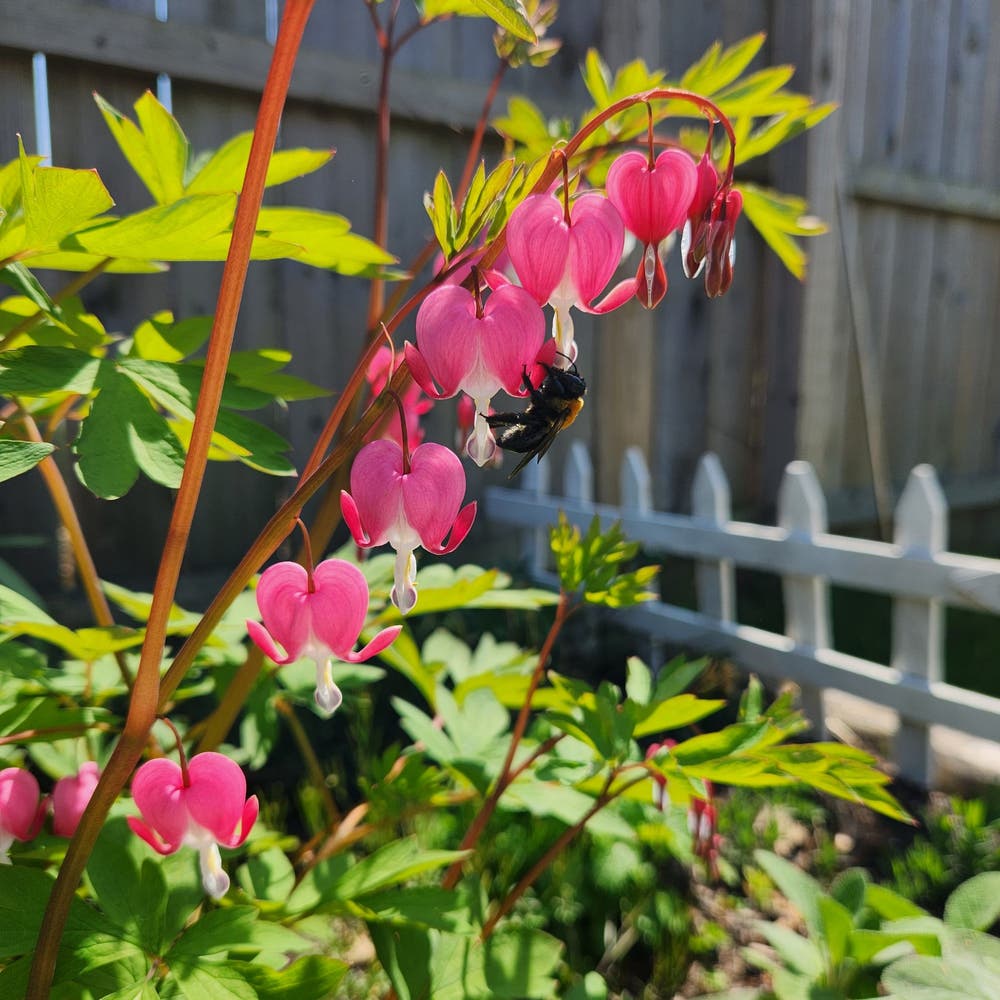
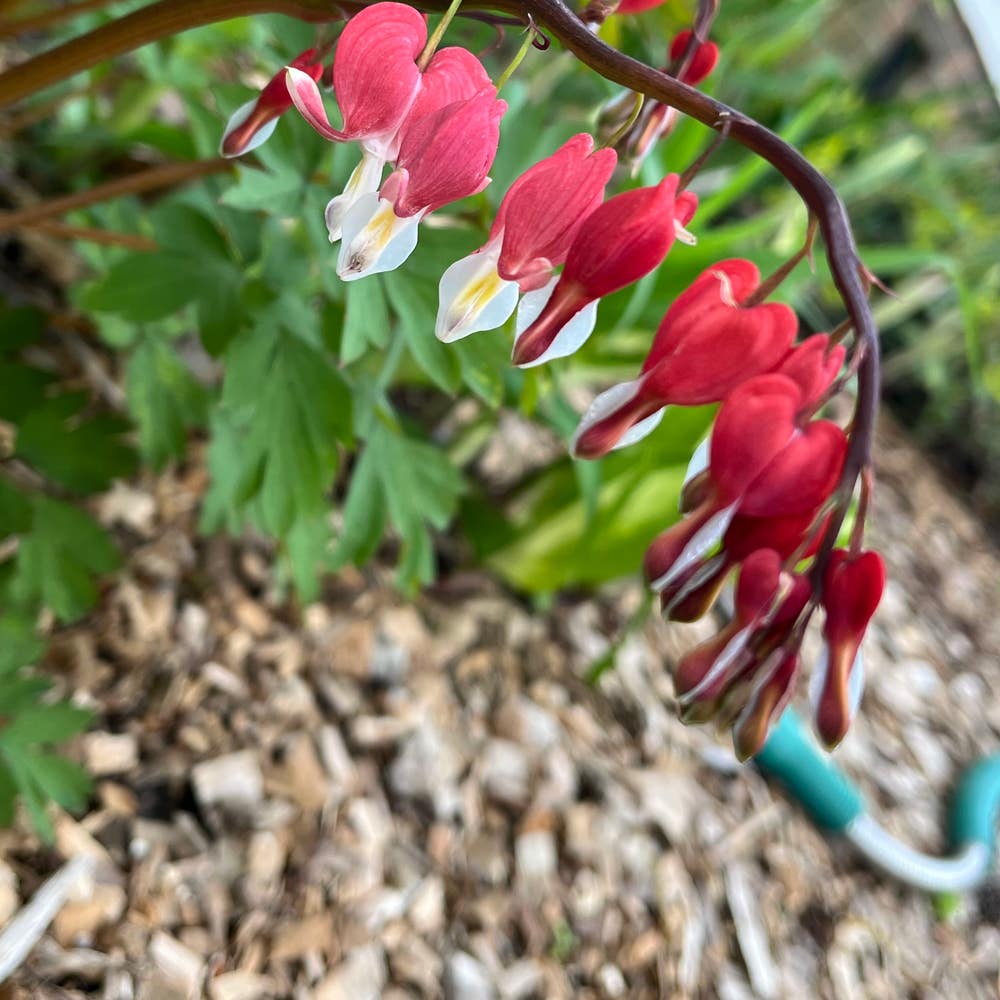
💖 Bleeding Heart Vine Buds Falling off
Clerodendrum thomsoniae
By the Greg Editorial Team
Oct 02, 2024•5 min read
This article was created with the help of AI so we can cover more plants for you. May contain errors. See one? Report it here.
- 🌡️ Maintain 65°F to 75°F for healthy Bleeding Heart Vines; avoid excessive heat.
- 💧 Low humidity and overwatering stress plants, causing bud drop and wilting.
- 🌱 Balanced fertilizer every 4-6 weeks restores nutrients for vibrant blooms.
Common Causes of Bud Drop
🌡️ Environmental Stress Factors
High temperatures can wreak havoc on your Bleeding Heart Vine. Ideally, these plants thrive in temperatures between 65°F and 75°F. Anything above that can lead to bud drop, as excessive heat stresses the plant.
Humidity levels also play a crucial role. Bleeding Heart Vines prefer a humid environment; low humidity can cause stress, leading to bud loss. If you notice wilting or crispy leaf edges, it’s time to boost the humidity.
Watering practices are another common culprit. Overwatering can lead to poor drainage and root rot, which directly affects bud retention. Ensure your plant has well-draining soil to avoid this issue.
Seasonal changes can also impact your vine. Fluctuations in temperature, especially during transitional seasons, can confuse the plant and result in dropped buds. Keeping a consistent environment helps maintain bud health.
🥦 Nutritional Deficiencies and Their Impact
Key nutrients are vital for flowering. Nitrogen, phosphorus, and potassium each play a unique role in promoting healthy blooms. A deficiency in any of these can lead to poor bud development.
Look for signs of nutrient deficiencies, such as yellowing leaves or stunted growth. If your plant is healthy in appearance but lacking flowers, it might be time to reassess its nutritional needs.
To remedy these deficiencies, consider using a balanced fertilizer. Applying it every 4-6 weeks during the growing season can help restore nutrient levels and encourage blooming.
💡 Effects of Light Conditions on Flowering
Light conditions significantly affect flowering. Bleeding Heart Vines thrive with bright, indirect light. If your plant is not getting enough light, it may exhibit leggy growth and sparse flowering.
Signs of inadequate light include leaf drop and elongated stems. If you notice these symptoms, it’s time to adjust your plant's location or consider supplemental lighting.
Relocating your plant to a brighter spot can make a world of difference. If natural light is limited, using grow lights can ensure your vine gets the exposure it needs to flourish.
✂️ Pruning Techniques and Timing for Optimal Blooming
Pruning is essential for maintaining plant health and promoting blooms. Proper timing and techniques can significantly influence flowering potential. Aim to prune in early spring before new growth begins.
Best practices include removing dead or damaged stems and shaping the plant for better air circulation. This not only encourages blooms but also enhances overall health.
Avoid common mistakes like over-pruning or cutting at the wrong time. These errors can hinder flowering and stress the plant, leading to further bud drop.
Understanding these common causes of bud drop can empower you to take action. By addressing environmental stress, nutritional needs, light conditions, and pruning techniques, you can help your Bleeding Heart Vine thrive. Next, let’s explore the reasons behind a lack of flowers.
Failure to Bloom
Identifying Reasons for Lack of Flowers 🌼
When your bleeding heart vine isn’t blooming, it can be frustrating. Common culprits include environmental stress, nutrient deficiencies, and improper care.
Look for signs like healthy foliage but no flowers. This indicates that while the plant is alive, it’s not thriving as it should.
Seasonal Considerations for Bloom Cycle 🌸
Understanding the bloom cycle is crucial for any gardener. Typically, bleeding heart vines flower in spring to early summer.
Factors like temperature, light, and care practices can significantly affect bloom timing. Ensure your plant receives the right conditions to encourage flowering.
Soil Quality and Its Role in Flowering 🌱
Soil health is vital for blooming success. Well-draining, nutrient-rich soil supports robust growth and flowering.
Signs of poor soil quality include compacted soil, which can hinder root health. To improve your soil, consider amendments like compost and regularly test for pH and nutrient levels.
By addressing these factors, you can help your bleeding heart vine flourish and produce beautiful blooms. Next, let’s explore the abnormalities that can affect flower development.
Abnormal Flower Development
🌼 Identifying Abnormalities in Flower Growth
Abnormalities in flower growth can manifest in several ways. Common issues include misshapen flowers, discoloration, and premature wilting.
These abnormalities often stem from environmental stress, nutrient imbalances, or pest issues. Identifying the root cause is essential for restoring your plant's health.
🐛 Pest Infestations and Their Effects on Flowers
Pests can wreak havoc on your flowering plants. Common culprits include aphids and spider mites, which can significantly impact flower development.
Signs of infestation to watch for are sticky residue, webbing, and distorted growth. Addressing these issues promptly is crucial to prevent further damage.
Control Methods
You can choose between organic and chemical treatments to manage pest infestations. Organic options include insecticidal soaps and neem oil, while chemical treatments may involve targeted pesticides.
🦠 Diseases Affecting Flower Development
Diseases can also hinder flower growth. Fungal infections and root rot are among the most common issues that affect flowering plants.
Symptoms of these diseases include wilting, yellowing leaves, and stunted growth. Early detection is key to effective treatment.
Prevention Strategies
To prevent diseases, focus on proper watering, drainage, and air circulation. Ensuring your plants have adequate airflow can significantly reduce the risk of fungal infections.
Treatment Options
For treatment, consider using recommended fungicides and adopting cultural practices that promote plant health. Regular monitoring and maintenance can help keep your flowers thriving.
Understanding these factors can empower you to nurture your plants effectively. With the right care, you can enjoy vibrant blooms and a flourishing garden.
⚠️ Safety First
This content is for general information and may contain errors, omissions, or outdated details. It is not medical, veterinary advice, or an endorsement of therapeutic claims.
Always consult a qualified healthcare professional before using any plant as food, medicine, or supplement.
Never eat any plant (or feed one to pets) without confirming its identity with at least two trusted sources.
If you suspect poisoning, call Poison Control (800) 222-1222, the Pet Poison Helpline (800) 213-6680, or your local emergency service immediately.
Spotted an error? Please report it here.
Keep your Bleeding Heart Vines thriving 🌱 by using Greg's tailored care tips and watering reminders to ensure they get the right nutrients and conditions for vibrant blooms!