💖 Bleeding Heart Vine is Not an Invasive Plant
Clerodendrum thomsoniae
By the Greg Editorial Team
Oct 02, 2024•5 min read
This article was created with the help of AI so we can cover more plants for you. May contain errors. See one? Report it here.
- 🌱 Bleeding Heart Vine is non-invasive, making it safe for diverse gardens.
- 🌼 This vine attracts pollinators, enhancing local biodiversity and garden health.
- 🌿 Moderate growth allows Bleeding Heart Vine to coexist well with other plants.
Plant Classification
Definition of Invasive Plants 🌱
Invasive plants are notorious for their rapid growth and aggressive spread. They often disrupt local ecosystems, outcompeting native species and causing ecological harm.
Bleeding Heart Vine, however, stands apart. Its limited spread potential and manageable growth patterns make it a non-invasive choice for gardens.
Legal Classifications and Guidelines 📜
Legal classifications of invasive species vary by region. Many areas have specific regulations to control the planting and spread of invasive plants.
When it comes to Bleeding Heart Vine, guidelines encourage responsible planting. Gardeners can enjoy its beauty while adhering to local regulations, ensuring a harmonious balance in their landscapes.
Growth Habits
Typical Growth Patterns in Gardens 🌿
Bleeding Heart Vine is known for its climbing habit, making it a fantastic choice for vertical gardening. It easily utilizes trellises, fences, or other structures for support, creating a lush, green backdrop.
In terms of growth rate, this vine is moderate, typically reaching 1-2 feet per year under optimal conditions. This manageable growth makes it suitable for various garden settings without overwhelming the space.
Natural Limits to Growth and Spread Potential 🌱
Several environmental factors influence the growth of Bleeding Heart Vine. Soil type, moisture levels, and light conditions play crucial roles in determining how well the plant thrives.
Seasonal growth cycles also affect its development. Expect active growth in spring and summer, while the plant enters dormancy during the fall and winter months. This natural rhythm helps maintain balance in your garden ecosystem.
Incorporating Bleeding Heart Vine into your garden can enhance its beauty while keeping growth in check. Understanding its growth habits ensures you can enjoy its charm without worry.
Ecological Role
🐝 Benefits to Local Wildlife
Bleeding Heart Vine is a magnet for pollinators. Its vibrant flowers attract bees and butterflies, making it a lively addition to any garden.
This plant also plays a crucial role in supporting local ecosystems. By providing nectar and habitat, it helps sustain various species, contributing to a balanced environment.
🌱 Positive Interactions with Other Plants
Companion planting with Bleeding Heart Vine can enhance the growth of neighboring plants. Its climbing habit allows it to share vertical space, promoting a healthy garden dynamic.
Moreover, this vine contributes to garden biodiversity. By supporting a variety of species, it enriches the ecosystem, making your garden a thriving habitat for wildlife.
Incorporating Bleeding Heart Vine not only beautifies your space but also fosters a healthy environment. As we explore garden management next, consider how this plant can be effectively integrated into your landscape design.
Garden Management
Effective Incorporation into Garden Designs 🌿
Bleeding Heart Vine can serve as a stunning focal point in your garden. Its climbing habit allows it to beautifully drape over trellises, fences, or arbors, creating a lush backdrop that enhances any landscape.
To keep it looking its best, regular trimming is essential. This not only maintains its size and shape but also encourages healthier growth and more vibrant blooms.
Aesthetic Considerations in Garden Planning 🎨
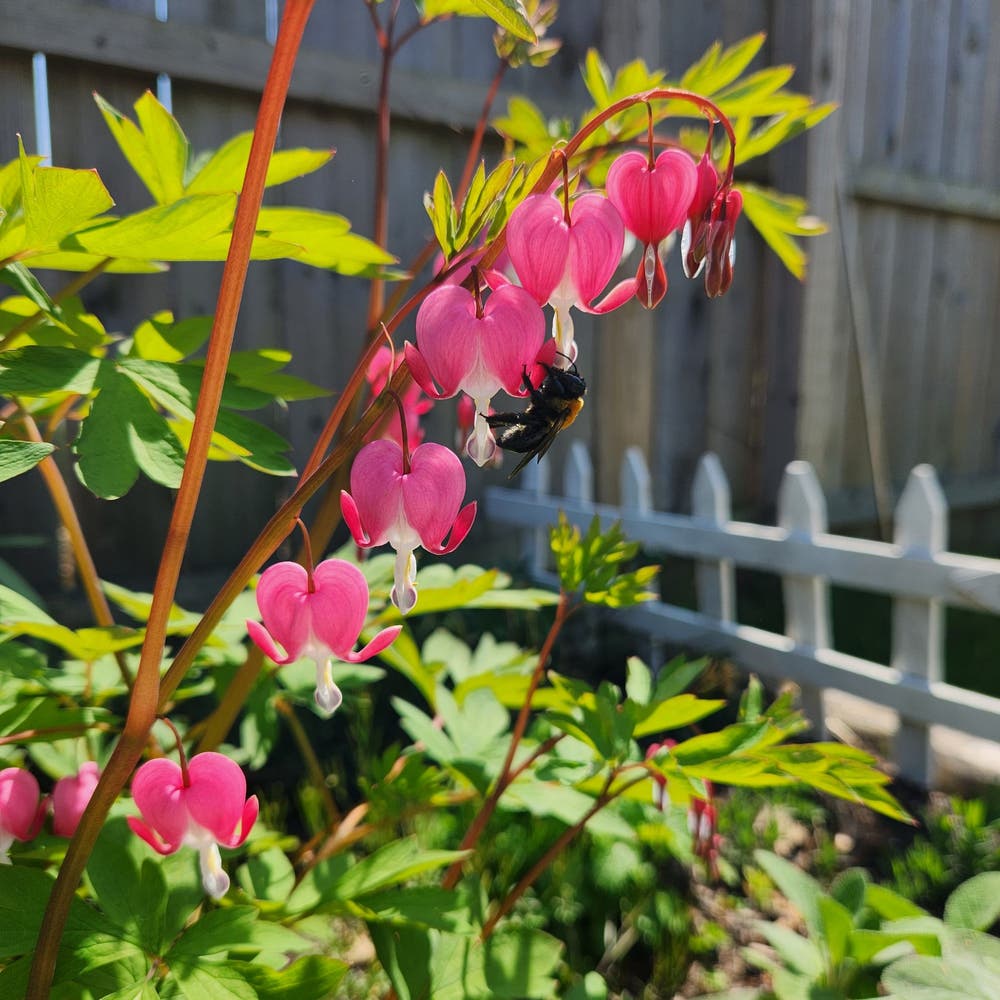
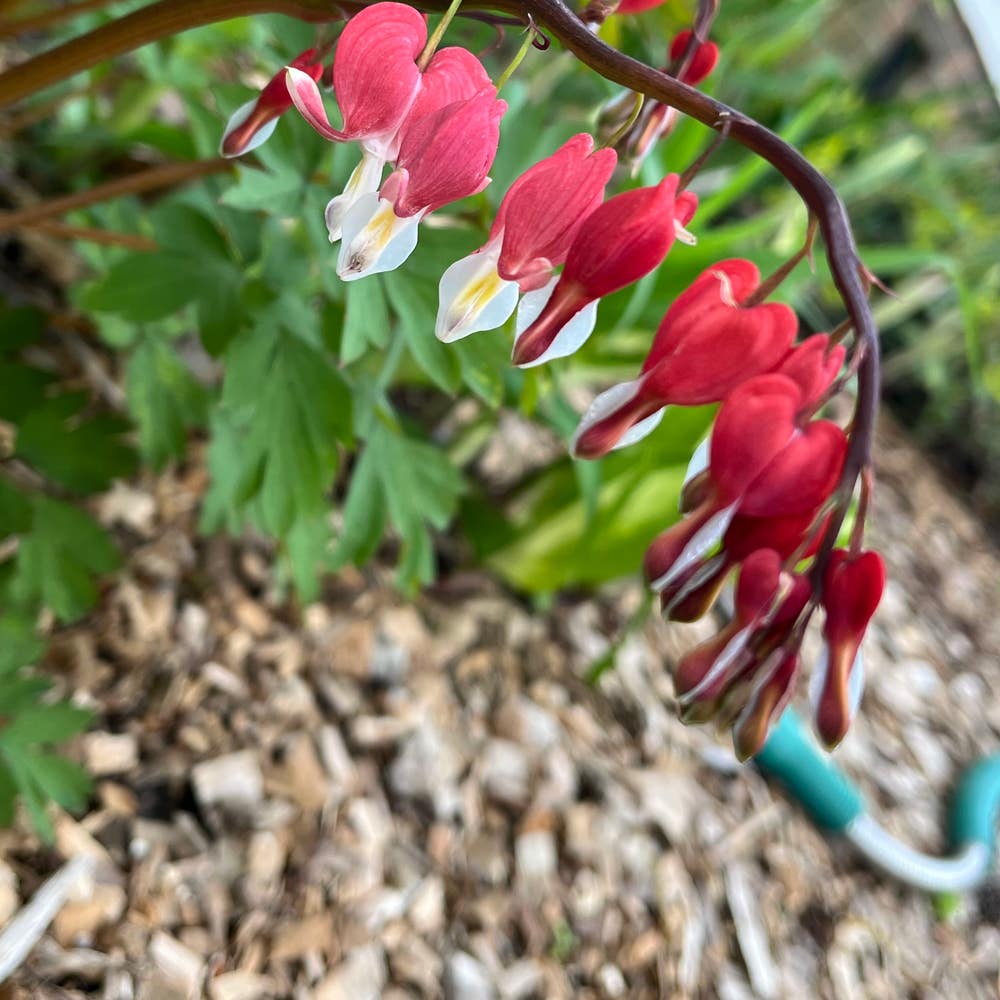
The heart-shaped flowers of Bleeding Heart Vine add a unique touch to your garden's color palette. Their vibrant hues can brighten up any space, making them a favorite among gardeners.
Moreover, this vine offers year-round interest. Its lush foliage provides a green backdrop even in winter, ensuring your garden remains visually appealing throughout the seasons.
Incorporating Bleeding Heart Vine into your garden design not only enhances aesthetics but also promotes a vibrant ecosystem. As you plan your garden, consider how this non-invasive plant can contribute to both beauty and biodiversity.
Next, let's explore the unique qualities of Bleeding Heart Vine compared to other plants.
Comparison to Other Plants
🌸 Unique Qualities of Bleeding Heart Vine
Bleeding Heart Vine stands out with its distinctive heart-shaped flowers, adding a unique charm to any garden. Its climbing ability allows it to gracefully ascend trellises and fences, creating a lush, vibrant display.
When compared to similar non-invasive plants, Bleeding Heart Vine showcases moderate growth habits. Unlike aggressive species, it maintains a balanced ecological role, enhancing rather than overwhelming its surroundings.
🌼 Benefits in a Garden Setting
Choosing Bleeding Heart Vine offers several advantages over more aggressive plants. It enhances garden aesthetics with its striking flowers while promoting biodiversity without taking over precious space.
This vine supports a variety of pollinators, contributing to a thriving ecosystem. Its manageable growth ensures that it can coexist peacefully with other plants, making it a smart choice for any garden.
🌍 Legal and Environmental Considerations
Opting for non-invasive plants like Bleeding Heart Vine is crucial for sustainable gardening. These choices help preserve local ecosystems and prevent the spread of aggressive species.
To ensure responsible planting, follow guidelines for maintaining Bleeding Heart Vine. Regular pruning and monitoring its growth can help keep your garden healthy and vibrant, allowing you to enjoy its beauty without worry.
As you plan your garden, consider how Bleeding Heart Vine can fit into your landscape. Its unique qualities and manageable nature make it a fantastic addition, paving the way for a flourishing garden.
⚠️ Safety First
This content is for general information and may contain errors, omissions, or outdated details. It is not medical, veterinary advice, or an endorsement of therapeutic claims.
Always consult a qualified healthcare professional before using any plant as food, medicine, or supplement.
Never eat any plant (or feed one to pets) without confirming its identity with at least two trusted sources.
If you suspect poisoning, call Poison Control (800) 222-1222, the Pet Poison Helpline (800) 213-6680, or your local emergency service immediately.
Spotted an error? Please report it here.
Enhance your garden with the stunning Bleeding Heart Vine 🌸, a non-invasive beauty that thrives with Greg's tailored care tips to help you cultivate a vibrant and balanced ecosystem!