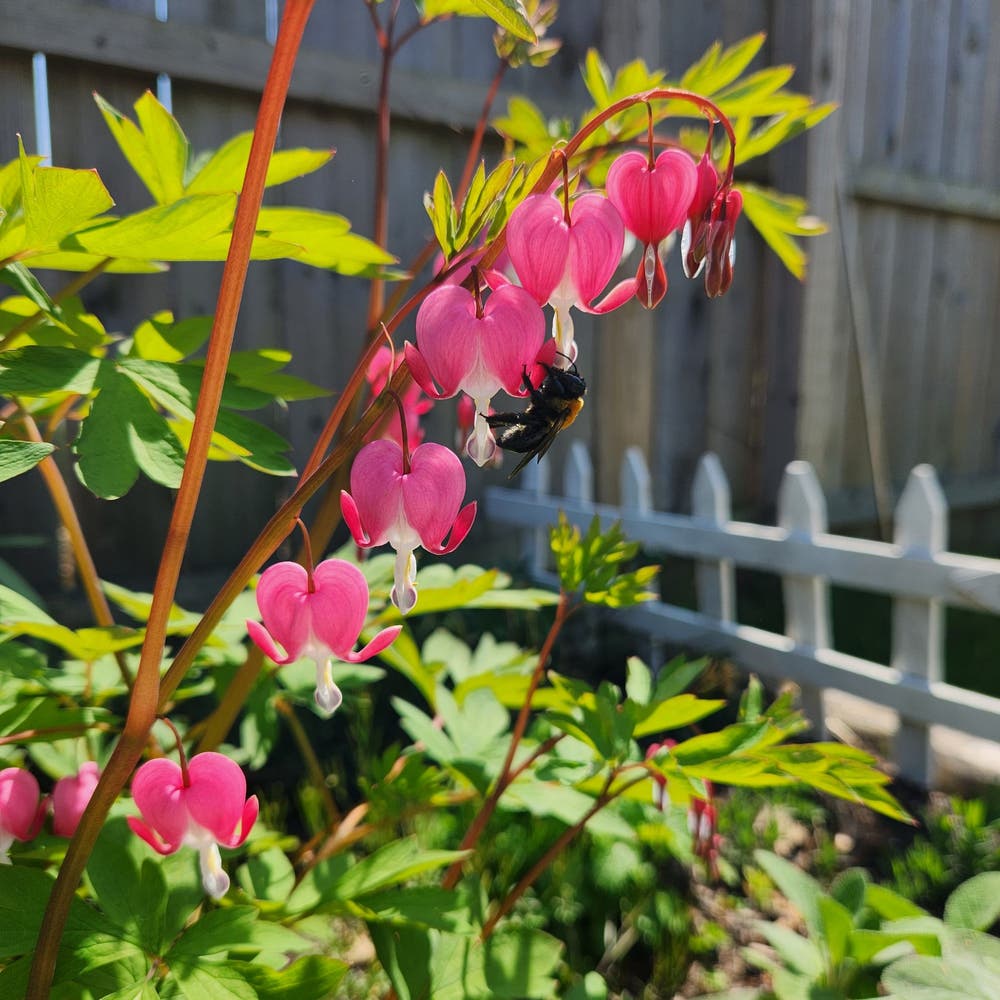
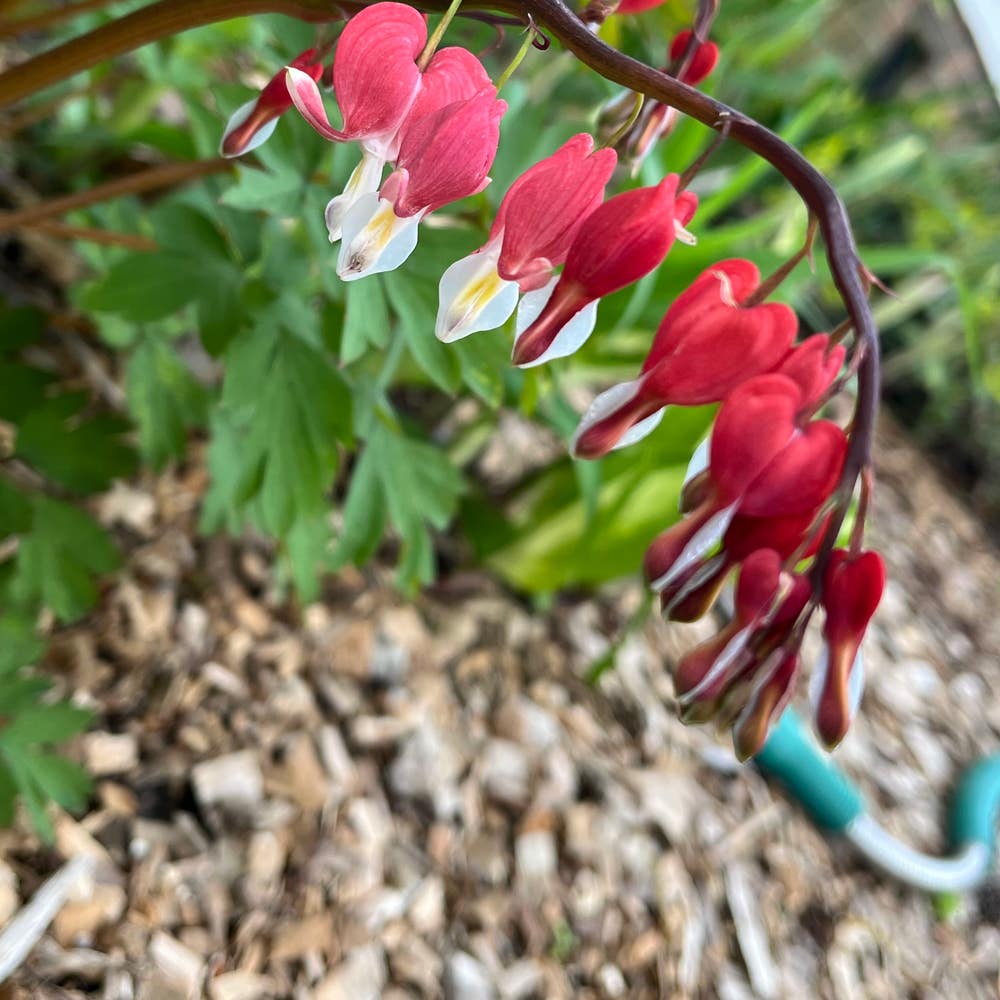
What Temperature Should My Bleeding Heart Vine Be Kept At?
Clerodendrum thomsoniae
By the Greg Editorial Team
Jun 18, 2024•2 min read
This article was created with the help of AI so we can cover more plants for you. May contain errors. See one? Report it here.
- 65 to 85°F is ideal for a healthy, blooming Bleeding Heart Vine.
- 🌡️ Avoid fluctuations to prevent stress and poor flowering.
- Protect from cold drafts and keep above 45°F to prevent damage.
When It's Just Right: The Sweet Spot for Temperature
The ideal temperature range for a Bleeding Heart Vine is between 65 to 85°F. Consistency is key; fluctuations can stress the plant, leading to poor health and lackluster flowering.
🌡️ When Things Heat Up: Recognizing Temperature Stress
Spotting the Signs
Look for wilting, leaf yellowing, and stunted growth as indicators of temperature stress. These symptoms suggest your vine is not in its happy place.
The Fallout
Extreme temperatures can wreak havoc on your vine's ability to flower. Keep it cool, but not too cool, for a happy, blooming plant.
❄️ Chill Out: Avoiding Cold Damage
Draft Dodging
Protect your vine from cold drafts. A sudden chill can be as unwelcome to your plant as a pop quiz on a Friday afternoon.
The Big Freeze
Prevent damage from cold snaps by keeping the temperature above 45°F. Think of it as a plant jacket, warding off the cold bite of winter.

The Blooming Connection: Temperature's Role in Flowering
Timing is everything when it comes to the flowering of your Bleeding Heart Vine. The plant's blooming cycles are significantly influenced by temperature.
For vibrant flowers, maintaining the ideal temperature range is akin to hitting the sweet spot in a game of tennis. Too high or too low, and you risk a weak bloom or none at all.
🌡️ Turning up the Heat: Ensuring Optimal Conditions for Vibrant Flowers
Consistent warmth is crucial, especially as buds begin to form. Avoid fluctuations that can stress the plant and derail the flowering process.
Keep your vine in a spot where the temperature is stable, away from drafts and direct heat sources. Think of it as creating a microclimate that caters to the plant's tropical tendencies.
💦 A Quick Note on Humidity
While temperature takes the lead, humidity plays a supporting role in the health and flowering of your Bleeding Heart Vine.
Balance is key. Too dry, and the plant might hold back on blooming; too humid, and you're inviting trouble with pests and diseases.
Aim for a consistent humidity level that complements the temperature, ensuring your vine has the right environment to produce those heart-stopping blooms.


⚠️ Safety First
This content is for general information and may contain errors, omissions, or outdated details. It is not medical, veterinary advice, or an endorsement of therapeutic claims.
Always consult a qualified healthcare professional before using any plant as food, medicine, or supplement.
Never eat any plant (or feed one to pets) without confirming its identity with at least two trusted sources.
If you suspect poisoning, call Poison Control (800) 222-1222, the Pet Poison Helpline (800) 213-6680, or your local emergency service immediately.
Spotted an error? Please report it here.
Ensure your Bleeding Heart Vine thrives 🌺 with Greg's reminders to check and adjust your room's climate for that perfect bloom-friendly balance.