Light Requirements For Your Bleeding Heart Vine
Clerodendrum thomsoniae
By the Greg Editorial Team
Jun 18, 2024•4 min read
This article was created with the help of AI so we can cover more plants for you. May contain errors. See one? Report it here.
- 🌤️ Partial sun outdoors; protect from intense light with shade or positioning.
- 🏡 Indoor vines need bright, indirect light; use grow lights if necessary.
- 💐 Adjust light for blooming: More light to initiate, shade to protect flowers.
Best Light for Outdoor Bleeding Heart Vines
🌿 Finding the Perfect Spot
For outdoor Bleeding Heart Vines, pinpointing the right location is crucial. These vines flourish in partial sun, basking in bright light without the harshness of midday rays.
In USDA zones 9-11, they can grow without much shade. However, in cooler climates, they need protection from intense sunlight. Position them to receive gentle morning light, while sheltered from the stronger afternoon sun.
🕶️ Protecting Your Vine from the Sun's Intensity
During peak sunlight hours, it's essential to shield your vine. Use a shade cloth or strategically place it where buildings or trees cast afternoon shadows.
Watch for leaf scorch or discoloration, clear signs your vine is getting too much sun. If these symptoms appear, move your plant to a shadier spot or increase watering to combat the stress from excess sunlight.

Indoor Bleeding Heart Vines: Let There Be Light!
💡 Choosing the Right Window for Your Vine
Bright, indirect light is the sweet spot for your indoor Bleeding Heart Vine. East or north-facing windows are prime real estate for these climbing beauties, offering a gentle mix of morning light and shade. But remember, the sun's path changes with the seasons, so keep an eye on how light plays through your windows throughout the year.
💡 When Natural Light Isn't Enough
If your vine's leaves are looking more like a goth's wardrobe than a vibrant green, it's craving more light. Leggy stems and sparse leaves are your cue to act. Consider moving it closer to a window or introducing a grow light to mimic the sun's rays, especially during those dreary winter months.

The Secret to Spectacular Blooms: Light's Role in Flowering
💡 Encouraging Blooms with Proper Lighting
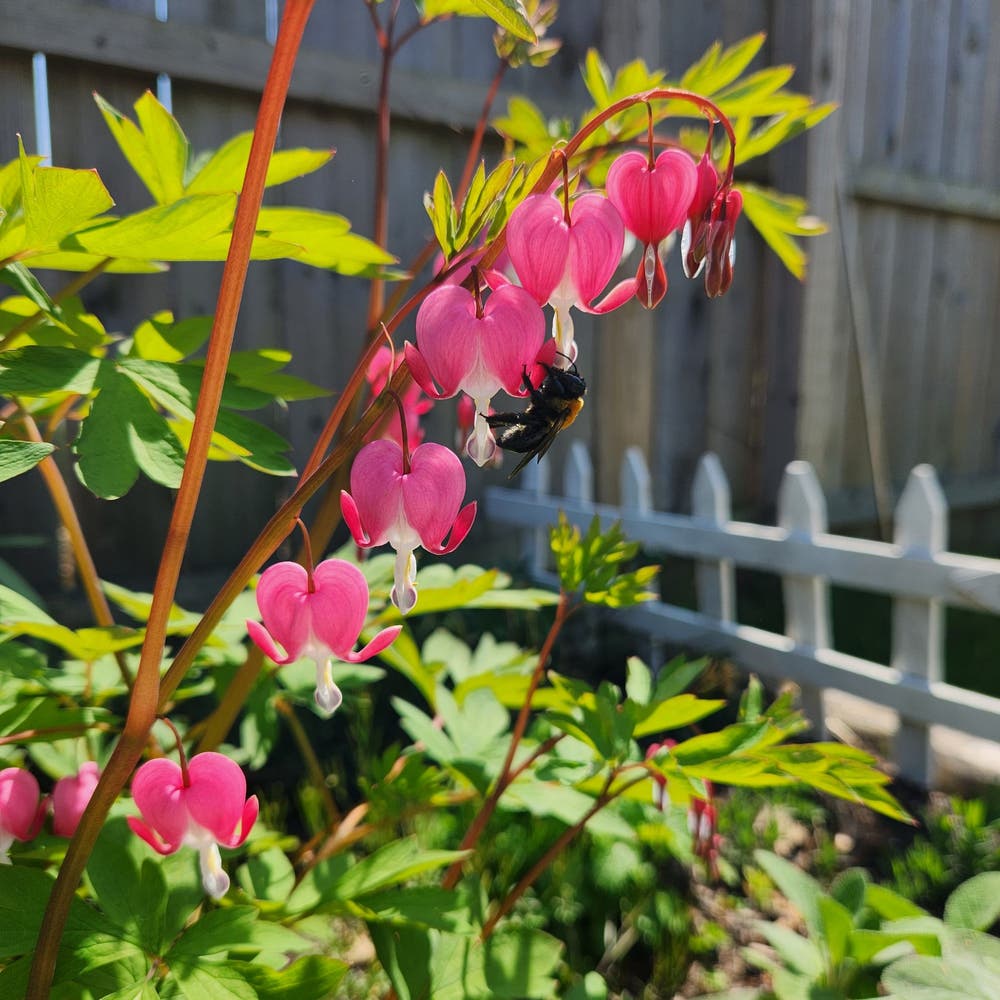
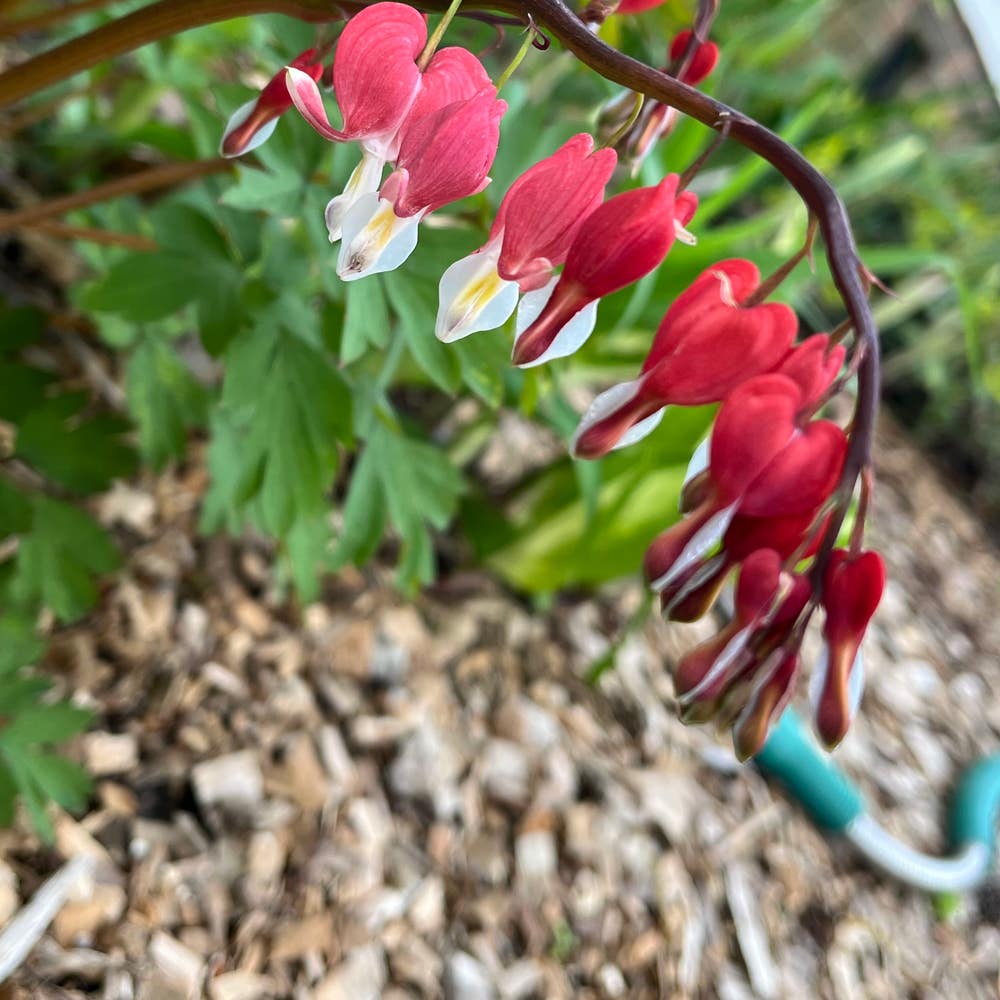
Light is the trigger for the blooming process in Bleeding Heart Vines. The right quantity and quality of light are essential for initiating and maintaining the flowering cycle.
Indirect sunlight is the sweet spot for these vines. Direct light can be too harsh, causing damage to the delicate flowers.
🌱 Adjusting Light Conditions to Trigger and Sustain Blooming
To encourage your Bleeding Heart Vine to bloom, adjust the light conditions. This might mean moving your plant to a brighter location or providing shade during the most intense parts of the day.
Observe your plant's response to these changes. New growth or the emergence of flower buds are signs you've found the right balance.
Keep an eye out for stretched stems or leaves reaching for light, as these are indicators of insufficient lighting.
Conversely, signs of scorching on the leaves suggest that the plant is receiving too much direct sunlight.
Remember, it's not just about the amount of light, but also the spectrum. Blue wavelengths encourage foliage growth, while red wavelengths are more conducive to flowering.
Consider the use of grow lights to supplement natural light, especially if you're growing your vine indoors. These can be particularly helpful during the shorter days of winter.
Monitor your plant's reaction to artificial lighting and adjust the duration and intensity as needed.
Remember, achieving the perfect light conditions for your Bleeding Heart Vine might require some trial and error. Stay observant and responsive to your plant's needs, and you'll be rewarded with spectacular blooms.

Grow Lights: A Bright Idea for Indoor Vines
💡 Selecting the Right Grow Light
Grow lights are indispensable for Bleeding Heart Vines indoors. LED and fluorescent lights top the list; LEDs for their energy efficiency, fluorescents for cost-effectiveness. Full-spectrum LEDs mimic sunlight, serving up a light buffet that's just right.
Positioning is crucial. Aim to replicate the sun’s trajectory across the sky. Too close, and you risk a sunburnt vine; too far, and you get a lackluster plant stretching for the stars.
🕵️ Monitoring Your Vine's Response to Artificial Light
Keep a watchful eye on your vine's growth. Leggy stems? It's craving more light. Leaves looking fried? Ease up on the intensity.
Balance is the game when it comes to combining natural and artificial light. Use a timer to simulate a natural day cycle—12 to 14 hours should do the trick. Remember, you're not trying to recreate a never-ending summer day. Adjust the light settings as needed, and watch your vine respond with vigorous growth.
⚠️ Safety First
This content is for general information and may contain errors, omissions, or outdated details. It is not medical, veterinary advice, or an endorsement of therapeutic claims.
Always consult a qualified healthcare professional before using any plant as food, medicine, or supplement.
Never eat any plant (or feed one to pets) without confirming its identity with at least two trusted sources.
If you suspect poisoning, call Poison Control (800) 222-1222, the Pet Poison Helpline (800) 213-6680, or your local emergency service immediately.
Spotted an error? Please report it here.
Ensure your Bleeding Heart Vine thrives 🌿 with Greg's custom light reminders, perfectly balancing sun and shade for peak blooms.