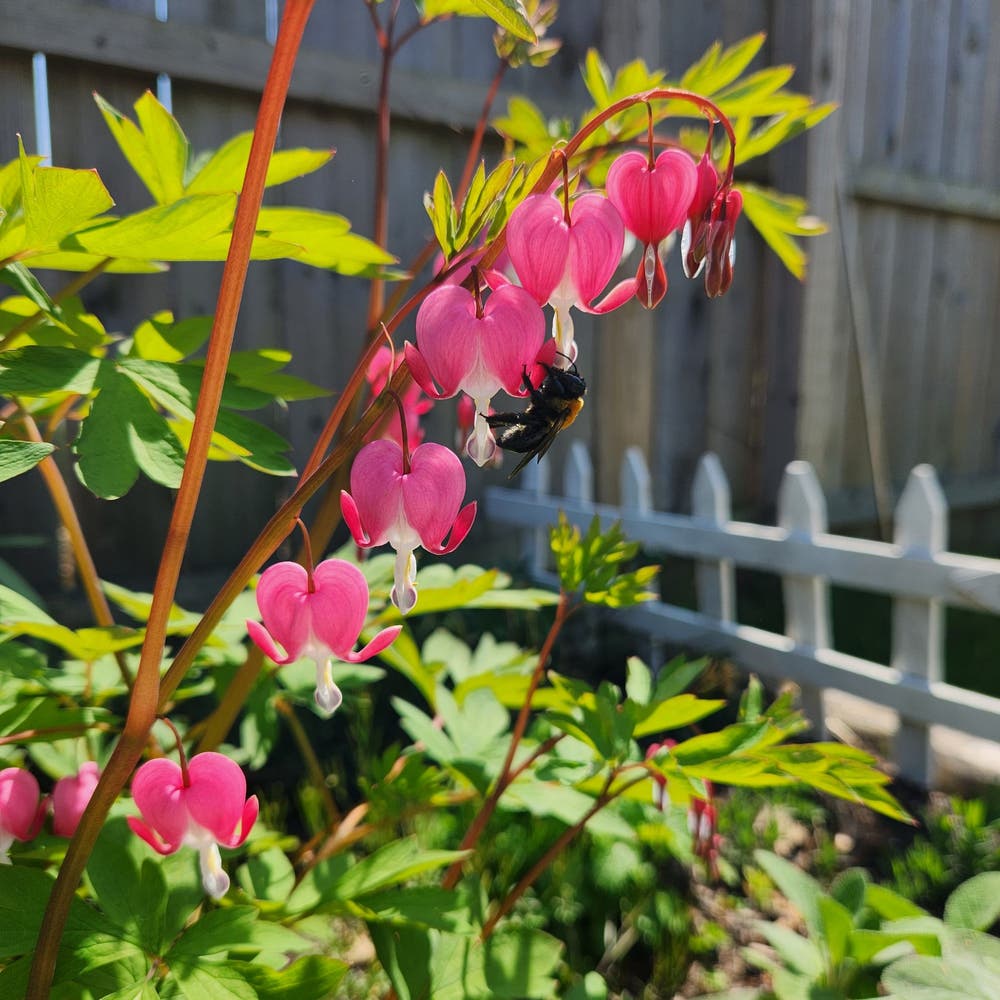
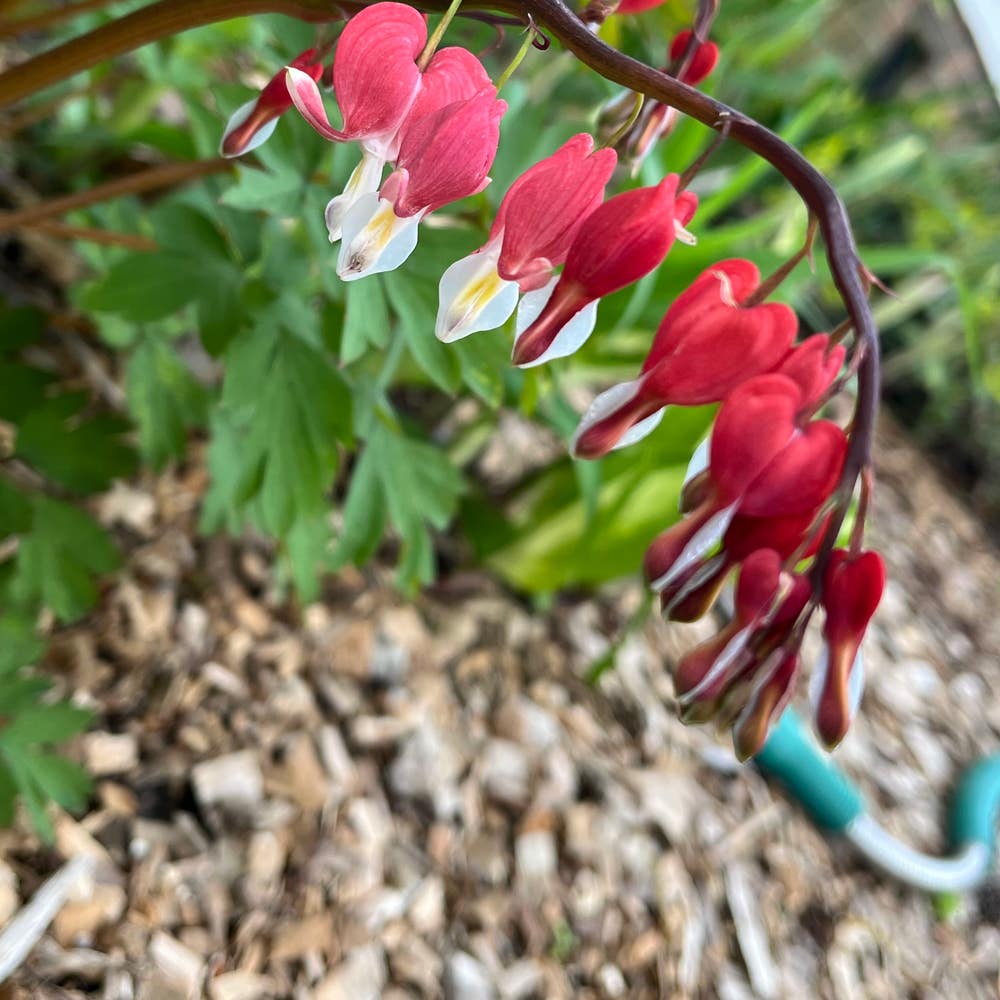
What To Do About Bugs on My Bleeding Heart Vine? 🐛
Clerodendrum thomsoniae
By the Greg Editorial Team
Jun 18, 2024•4 min read
This article was created with the help of AI so we can cover more plants for you. May contain errors. See one? Report it here.
- Vigilance and early detection are key to protecting your vine from pests.
- Optimal conditions and IPM strengthen plant defenses and control bugs.
- Targeted treatments like neem oil, alcohol swabs, and water pressure combat specific pests.
Introduction
Bleeding Heart Vine's allure is undeniable, but bugs are a buzzkill for this botanical beauty. Vigilance is your first line of defense in keeping these pests from turning your vine's paradise into a nightmare.
🕵️ Spotting the Invaders
Early detection is a game-changer in the plant pest world. Leaf beetles munching away, creating unsightly holes, or a sudden wilting post-bloom can signal trouble. It's not just about aesthetics; these issues can weaken your vine, making it more susceptible to further attacks.
🛡️ Preventative Care
A robust Bleeding Heart Vine is less inviting to pests. Ensuring optimal growing conditions—consistent watering, appropriate humidity, and avoiding temperature shocks—can fortify your plant's defenses. Remember, a happy plant is a hardy one.
💪 Integrated Pest Management (IPM)
IPM isn't just a fancy term; it's your strategic ally. It combines early detection, biological controls like introducing beneficial insects, and targeted treatments to create a fortress around your vine. It's about working with nature, not against it.

Meet the Unwanted Guests: Common Pests on Bleeding Heart Vine
🕷️ Spider Mites: The Sneaky Sap-Suckers
Spider mites are tiny terrorists in the bug world, wreaking havoc on your Bleeding Heart Vine with their sap-sucking ways. Webbing on your plant? That's them. Leaves looking like they've been in a fight with a pin? Also them. To kick these pests to the curb, unleash neem oil or insecticidal soap. Repeat the treatment every week or so until your plant breathes easy again. To stop a future invasion, mist your vine regularly and keep new plants in isolation before introducing them to your garden.
🛡️ Scale: The Sticky Freeloaders
Scale insects are masters of disguise, masquerading as bumps on your plant's stems and leaves. If you spot these shielded squatters, it's time for eviction. Swipe them away with alcohol-soaked swabs or douse them in horticultural oil. Preventative measures? Regular inspections and ensuring good airflow around your plants will keep these freeloaders from settling down.
🦟 Fungus Gnats and Fruit Flies: The Soil Lurkers
Fungus gnats and fruit flies love to hover around overwatered soil, and spotting these pests means it's time to take action. Sticky traps can snag the adults, while soil treatments deal with the larvae. The best defense is a good offense: manage your soil's moisture to avoid gnat gatherings in the first place.
🐛 Mealybugs: The Fluffy White Menace
Mealybugs look like tiny cotton balls conspiring on your plant. To banish these bugs, dab them with alcohol or wash them away with a soapy water mix. You can also go the oil route, but remember, consistency is key. Spot a mealybug? Quarantine the plant immediately and inspect the rest of your collection to prevent a full-blown fluffy apocalypse.
🦗 Aphids: The Sap-Sucking Swarm
Aphids are like the vampires of the plant world, but instead of blood, they're after sap. These pests flock to new growth, so keep an eye out for misshapen or sticky leaves. A blast of water can dislodge these critters, or you can bring out the big guns with insecticidal solutions. Want to go green? Invite beneficial insects to the party or boost your plant's overall health to fend off these sap-suckers.
Other Pests to Watch Out For
While the above are the usual suspects, other pests can still crash your Bleeding Heart Vine's party. Quick checks for unusual symptoms and tailored treatments will help you deal with these occasional invaders. Remember, the best defense is a good offense, so keep your plants healthy and your eyes peeled.

Conclusion
In the trenches of garden warfare, your Bleeding Heart Vine's well-being hinges on your vigilance. It's a daily discipline, akin to flossing in the fight against cavities—tedious but non-negotiable. Keep those peepers peeled for pests, and your vine will reward you with its uninterrupted splendor. Remember, a pest-free plant is a peace-of-mind guarantee. Stay sharp, plant guardians.

⚠️ Safety First
This content is for general information and may contain errors, omissions, or outdated details. It is not medical, veterinary advice, or an endorsement of therapeutic claims.
Always consult a qualified healthcare professional before using any plant as food, medicine, or supplement.
Never eat any plant (or feed one to pets) without confirming its identity with at least two trusted sources.
If you suspect poisoning, call Poison Control (800) 222-1222, the Pet Poison Helpline (800) 213-6680, or your local emergency service immediately.
Spotted an error? Please report it here.
Ensure your Bleeding Heart Vine thrives 🌿 with Greg's reminders for pest inspections and personalized care tips, keeping those pesky bugs at bay!