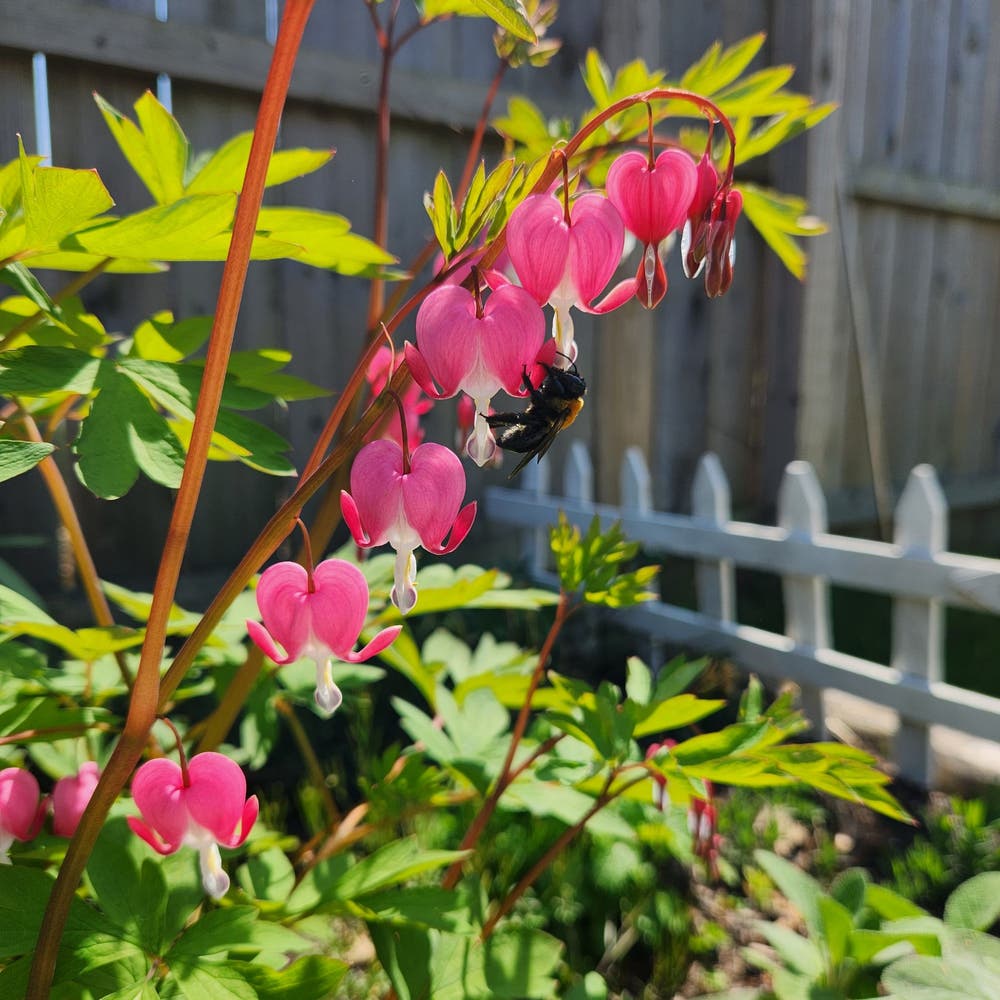
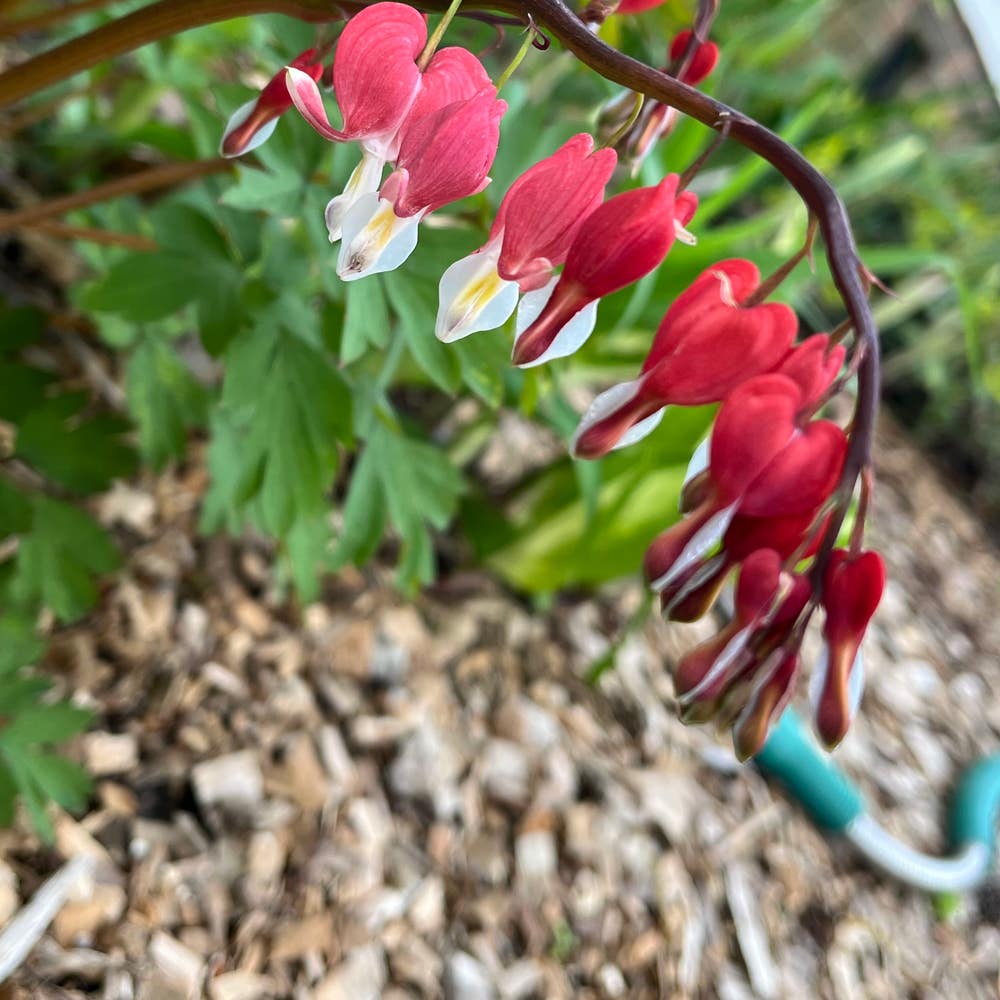
❤️ The #1 Top Companion Plant for Bleeding Heart Vine
Clerodendrum thomsoniae
By the Greg Editorial Team
Oct 02, 2024•4 min read
This article was created with the help of AI so we can cover more plants for you. May contain errors. See one? Report it here.
- 🌸 Coral Vine, ferns, and begonias are ideal companions for Bleeding Heart Vine.
- 🐞 Companion plants deter pests and enhance the health of Bleeding Heart Vine.
- 🌿 Strategic plant selection creates a vibrant, thriving garden ecosystem year-round.
Best Companion Plants for Bleeding Heart Vine
Plant 1: Coral Vine 🌸
Coral Vine is a stunning vining plant adorned with vibrant pink flowers that attract pollinators. Its ability to thrive in partial shade and well-draining soil makes it an ideal companion for the Bleeding Heart Vine.
Both plants share similar care needs, preferring moderate watering and showing resilience to occasional drought. This compatibility ensures a harmonious garden environment.
Plant 2: Ferns 🌿
Ferns are shade-loving plants that add lush foliage and a beautiful texture contrast to your garden. They play a crucial role in retaining soil moisture, which benefits the Bleeding Heart Vine significantly.
These companions thrive in similar humidity levels and prefer indirect light, making them easy to care for alongside your vine. Their shared needs create a low-maintenance yet visually appealing garden.
Plant 3: Begonias 🌼
Begonias are colorful flowering companions that beautifully complement the heart-shaped blooms of the Bleeding Heart Vine. Beyond their aesthetic appeal, they are known for their pest-repellent properties, particularly against aphids.
Both plants favor well-draining soil and moderate watering, ensuring they thrive together. This compatibility not only enhances your garden's beauty but also promotes a healthier ecosystem.
With these companion plants, your Bleeding Heart Vine will flourish, creating a vibrant and resilient garden. Next, we’ll explore how these companions can help manage pests effectively.
Pest Management with Companion Plants
🛡️ How Companion Plants Can Deter Pests
Companion plants serve as a natural pest barrier, creating a protective shield around your Bleeding Heart Vine. By introducing diversity into your garden, you enhance its overall health and resilience.
🌿 Specific Pest-Repellent Properties of Chosen Companions
Coral Vine
Coral Vine is not just a pretty face; it attracts beneficial insects that feast on common pests. This makes it an excellent ally in keeping your garden thriving.
Ferns
Ferns provide a cozy habitat for predatory insects, which helps keep pest populations in check. Their lush foliage not only looks great but also supports a balanced ecosystem.
Begonias
Begonias are more than just colorful companions; they emit scents that repel aphids and other harmful insects. This natural defense mechanism adds another layer of protection for your Bleeding Heart Vine.
By strategically selecting companion plants, you can create a vibrant, pest-resistant garden. This approach not only protects your plants but also fosters a thriving ecosystem that benefits all your garden's inhabitants.
Next, let’s explore how these companion plants can enhance the visual appeal and aesthetic considerations of your garden.
Visual Appeal and Aesthetic Considerations
🎨 Color and Texture Combinations with Bleeding Heart Vine
Coral Vine brings a vibrant splash of bright pink flowers that beautifully contrast with the Bleeding Heart Vine's delicate heart-shaped blooms. This combination creates a stunning visual display that can elevate any garden.
Ferns contribute lush green foliage, adding depth and texture to the landscape. Their feathery leaves provide a soft backdrop, enhancing the overall aesthetic appeal of the garden.
Begonias are another excellent choice, with their colorful blooms enhancing visual interest throughout the growing season. Their diverse colors can complement the vine's unique shape, creating a harmonious garden scene.
📅 Seasonal Interest and Blooming Times of Companions
Coral Vine blooms in late summer, offering a burst of color when many other plants have finished flowering. This late-season display ensures your garden remains lively and engaging.
Ferns maintain their greenery year-round, providing consistent visual appeal regardless of the season. Their evergreen nature means they contribute to the garden's beauty even in winter.
Begonias, known for their continuous flowering, keep the garden vibrant throughout the growing season. Their persistent blooms ensure that your garden is always a feast for the eyes.
Incorporating these companion plants not only enhances the visual appeal of your garden but also ensures a dynamic and engaging landscape year-round. As we explore the next section, we'll delve into how these companions can help manage pests effectively, further enriching your gardening experience.
Plants to Avoid Near Bleeding Heart Vine
Incompatible Plants to Consider 🌿
When planning your garden, it's crucial to avoid certain aggressive vining plants. These can quickly overtake your Bleeding Heart Vine, competing for space and resources.
Heavy feeders are another group to steer clear of. They demand a lot of nutrients, which can leave your Bleeding Heart Vine struggling to thrive.
Reasons for Incompatibility 🚫
The competition for nutrients and water can lead to stunted growth in your Bleeding Heart Vine. If it’s not getting what it needs, you might notice a decline in its health and vigor.
Additionally, some incompatible plants can attract pests. This increases the risk of infestations that could affect your beloved Bleeding Heart Vine, making it essential to choose companions wisely.
By avoiding these plants, you can create a thriving environment for your Bleeding Heart Vine and its companions. Next, let’s explore how companion plants can help manage pests effectively.
⚠️ Safety First
This content is for general information and may contain errors, omissions, or outdated details. It is not medical, veterinary advice, or an endorsement of therapeutic claims.
Always consult a qualified healthcare professional before using any plant as food, medicine, or supplement.
Never eat any plant (or feed one to pets) without confirming its identity with at least two trusted sources.
If you suspect poisoning, call Poison Control (800) 222-1222, the Pet Poison Helpline (800) 213-6680, or your local emergency service immediately.
Spotted an error? Please report it here.
Elevate your garden's beauty and health with perfect companions like Coral Vine and begonias 🌸, and let Greg guide you with tailored care tips to ensure your Bleeding Heart Vine thrives in harmony!