🔍 What's Eating Your Caladium 'Magnificum'
Caladium lindenii 'Magnificum'
By the Greg Editorial Team
Sep 29, 2024•6 min read
This article was created with the help of AI so we can cover more plants for you. May contain errors. See one? Report it here.
- 🦌 Identify common herbivores like deer, rabbits, and squirrels threatening your Caladium 'Magnificum'.
- 🚨 Look for signs of damage such as hoof prints and leaf cuts to act quickly.
- 🛡️ Use deterrents like fencing and organic solutions to protect your plants effectively.
Common Herbivores Affecting Caladium 'Magnificum'
🦌 Deer
Signs of presence and damage caused
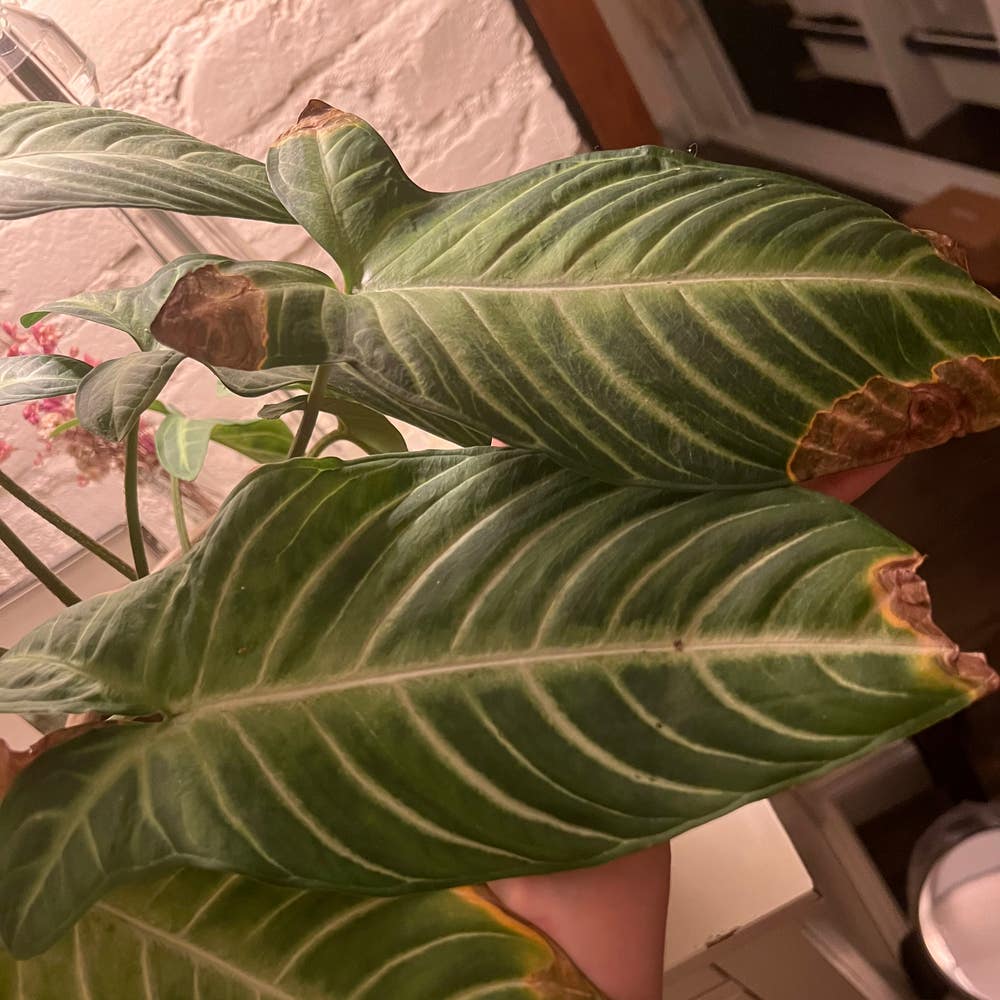
Look for hoof prints in muddy areas; these are clear indicators of deer activity. They often browse on leaves, leaving behind jagged edges that signal their presence.
Beneficial vs. harmful interactions
Deer are generally harmful to Caladium 'Magnificum.' If left unmanaged, they can decimate populations, leading to significant plant loss.
Deterrent methods
To deter deer, consider using commercial deer repellents. Alternatively, you can plant deer-resistant species nearby or use human hair and soap shavings as organic deterrents.
🐇 Rabbits
Signs of presence and damage caused
Rabbits leave small, rounded footprints and often cause clean cuts on leaves and stems at ground level. Their damage can be quite noticeable.
Beneficial vs. harmful interactions
Rabbits are typically harmful, leading to significant damage to your plants. Their appetite can quickly turn a thriving garden into a barren landscape.
Deterrent methods
Bitter-tasting sprays can act as effective chemical deterrents against rabbits. For a more organic approach, consider fencing that is 2-3 feet high and planting rabbit-resistant plants.
🐿️ Squirrels
Signs of presence and damage caused
Squirrels leave signs like chewed leaves and digging around the base of the plant. You may also notice gnaw marks on stems and leaves.
Beneficial vs. harmful interactions
Squirrels are generally harmful, disrupting both plant growth and aesthetics. Their antics can turn a beautiful garden into a chaotic scene.
Deterrent methods
Capsaicin-based sprays serve as effective chemical deterrents for squirrels. You can also use scare tactics, such as reflective objects or noise makers, to keep them at bay.
🐦 Birds
Signs of presence and damage caused
Look for peck marks on leaves and scattered debris as signs of bird activity. They can remove young shoots and flowers, causing noticeable damage.
Beneficial vs. harmful interactions
Birds have a mixed impact; while some help control pests, others can cause significant damage to your plants. It's a balancing act in the garden.
Deterrent methods
Non-toxic bird repellents can help deter unwanted feathered visitors. Alternatively, using netting or reflective tape can effectively keep birds away from your Caladium.
🐭 Rodents (mice, voles, etc.)
Signs of presence and damage caused
Rodents create tunnels or burrows near the plant base. Their gnawing on roots and stems can lead to severe plant decline.
Beneficial vs. harmful interactions
Rodents are generally harmful, causing significant damage to your plants. Their presence can quickly lead to a garden crisis.
Deterrent methods
For chemical deterrents, consider using rodent bait stations. Organic methods include traps and planting deterrent herbs like mint to keep them away.
🦡 Groundhogs/Woodchucks
Signs of presence and damage caused
Groundhogs leave large burrows and chewed foliage as signs of their presence. They can cause significant leaf loss and even uproot plants.
Beneficial vs. harmful interactions
These creatures are generally harmful and can devastate garden areas if not managed. Their appetite knows no bounds.
Deterrent methods
Commercial repellents can help deter groundhogs effectively. For a more organic approach, consider fencing that is 3-4 feet high and planting barriers to protect your garden.
Understanding these common herbivores is crucial for maintaining the health of your Caladium 'Magnificum.' With the right deterrent methods, you can protect your plants and enjoy a thriving garden. Next, let’s explore the beneficial animals that can enhance your garden ecosystem.
Beneficial Animals and Ecosystem Impact
🐝 Pollinators at Work
Caladium 'Magnificum' attracts a variety of beneficial animals, particularly pollinators like bees and butterflies. These creatures play a crucial role in the garden ecosystem, helping to fertilize plants and promote healthy growth.
🌱 Enhancing Biodiversity
The presence of these pollinators enhances biodiversity, creating a vibrant environment. A diverse ecosystem not only supports the health of your Caladium but also contributes to the overall resilience of your garden.
🌼 Positive Plant Growth
With pollinators buzzing around, your plants benefit from improved pollination. This leads to more robust growth and can even increase flowering, making your garden a visual delight.
⚖️ A Balanced Ecosystem
Encouraging beneficial animals fosters a balanced ecosystem. This balance helps manage pest populations naturally, reducing the need for chemical interventions and promoting a healthier garden environment.
🏡 Conclusion
By attracting beneficial animals, Caladium 'Magnificum' not only beautifies your space but also supports a thriving ecosystem. This synergy between plants and wildlife is essential for maintaining a flourishing garden.
Next, we’ll explore general strategies for protecting your Caladium from herbivores while maximizing its ecological benefits.
General Strategies for Protection
🛡️ Preventive Measures for Protecting Caladium 'Magnificum'
To keep your Caladium 'Magnificum' thriving, consider planting companion plants that deter herbivores. Species like marigolds or lavender can create a natural barrier, making your garden less appealing to hungry critters.
Physical barriers are also effective. Installing fencing or netting around your plants can provide a strong defense against herbivores, ensuring your caladiums remain safe and sound.
⚠️ Reactive Solutions for Managing Animal Interactions
Regular monitoring is crucial for spotting signs of herbivore damage early. Keep an eye out for any unusual nibbling or drooping leaves, as these can indicate a problem.
Once you identify a pest, have an immediate action plan ready. Whether it’s applying a deterrent or adjusting your garden layout, swift responses can save your plants from significant harm.
🌱 Seasonal Variations in Animal Attraction to Caladium 'Magnificum'
Be aware that herbivore activity tends to spike in spring and early summer. This is when young shoots emerge, making your caladiums particularly enticing to various animals.
Understanding these seasonal patterns can help you stay one step ahead. By being proactive during these peak times, you can better protect your beloved plants from unwanted visitors.
With these strategies in place, you can enjoy a flourishing garden while minimizing the impact of herbivores. Next, let’s explore the beneficial animals that can enhance your garden ecosystem.
Toxicity and Ecological Role
Toxic Effects of Caladium 'Magnificum' on Animals 🐾
Caladium 'Magnificum' contains calcium oxalate crystals, which can cause irritation if ingested. This toxicity serves as a natural defense mechanism, deterring herbivores from munching on its leaves.
Ecological Role in Local Environments 🌍
Beyond its toxicity, Caladium 'Magnificum' plays a vital role in local ecosystems. It contributes to biodiversity by providing habitat and food sources for various species, including pollinators like bees and butterflies.
Importance in Maintaining a Balanced Garden Ecosystem 🌱
This plant enhances the garden's health by attracting beneficial insects and promoting a balanced ecosystem. Its presence can lead to a flourishing environment, supporting not just itself but a variety of life forms.
In summary, while Caladium 'Magnificum' may deter some animals due to its toxicity, it also enriches the ecosystem, making it a valuable addition to any garden. Next, we’ll explore general strategies for protecting this stunning plant from herbivores.
⚠️ Safety First
This content is for general information and may contain errors, omissions, or outdated details. It is not medical, veterinary advice, or an endorsement of therapeutic claims.
Always consult a qualified healthcare professional before using any plant as food, medicine, or supplement.
Never eat any plant (or feed one to pets) without confirming its identity with at least two trusted sources.
If you suspect poisoning, call Poison Control (800) 222-1222, the Pet Poison Helpline (800) 213-6680, or your local emergency service immediately.
Spotted an error? Please report it here.
Safeguard your Caladium 'Magnificum' from herbivores with smart deterrents and proactive monitoring 🛡️—Greg can help you succeed by sending tailored alerts and tips to keep your plants flourishing!