How Should Caladium lindenii 'Magnificum' Be Cut Back?
Caladium lindenii 'Magnificum'
By the Greg Editorial Team
Jun 18, 2024•3 min read
This article was created with the help of AI so we can cover more plants for you. May contain errors. See one? Report it here.
- Prune when leaves brown or limp, aiming for spring and summer cuts.
- Use sharp, sterilized shears for healthy cuts; don't exceed 30% removal.
- Monitor and adjust care post-pruning, dispose of diseased clippings responsibly.
When to Wield the Shears: Timing Your Pruning
🍂 Spotting the Signs
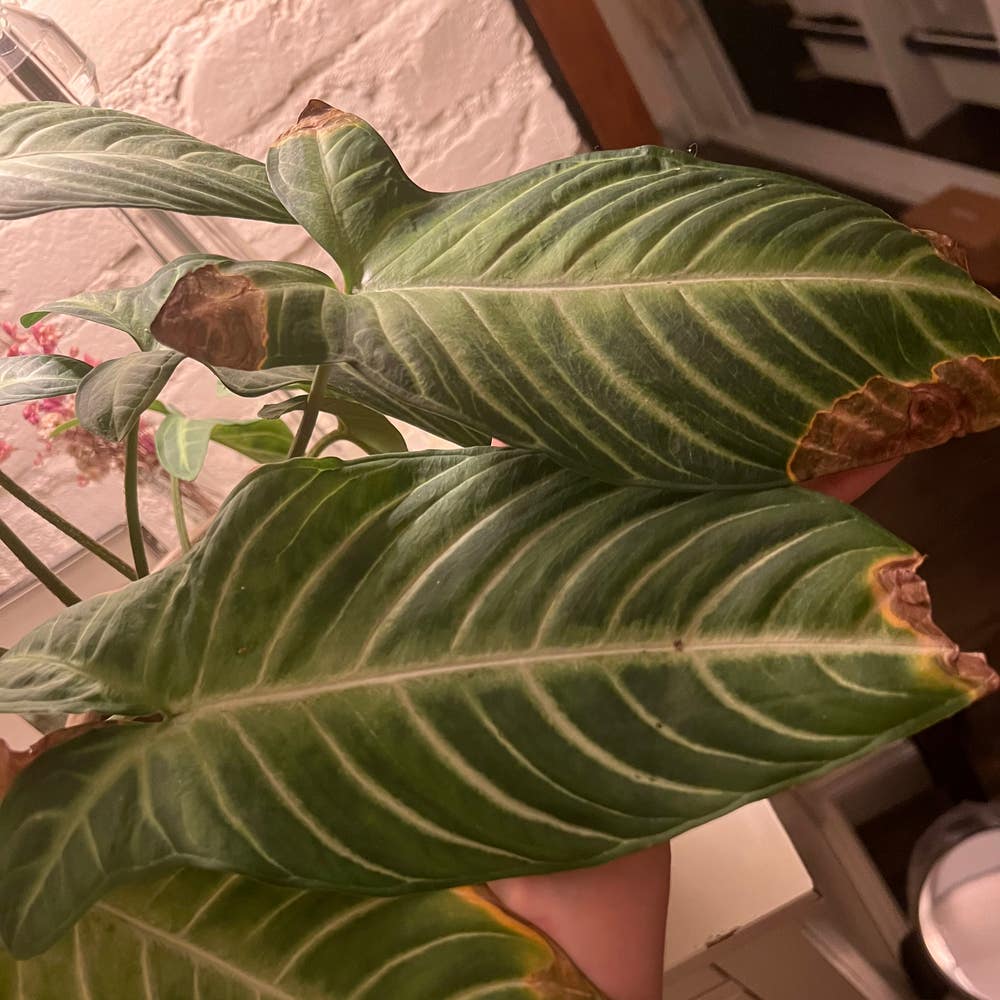
Leaves that surrender their luster signal it's time for a trim. Look for leaves that are more browned than your favorite toast, or as limp as overcooked spaghetti.
🌸 Seasonal Smarts
Spring into action or make your move in summer; these seasons are your plant's comeback time. Pruning during dormancy? Forget it. It's like poking a sleeping dragon—just a bad idea.

The Pruning Process: A Step-by-Step Guide
🌿 Gear Up
Before you start playing Edward Scissorhands with your Caladium lindenii 'Magnificum', gear up. You'll need pruning shears that are sharper than your wit, and don't forget to disinfect them. Think of it as hygiene for horticulture.
✂️ The Cutting Edge
Now, let's get to the cutting edge of things. Inspect your plant like a detective at a crime scene. Look for leaves that scream "I've seen better days!" and snip them off at the base. But don't get snip-happy; leave a smidgen of space to avoid shocking the main stem. Remember, you're aiming for a trim, not a plant buzz cut.
🌳 Shape and Structure
Finally, it's time to sculpt your green masterpiece. When it comes to shape and structure, think of yourself as a plant stylist aiming for that perfect botanical hairdo. Trim for symmetry, but don't try to turn your 'Magnificum' into something it's not. Less is more, so step back occasionally to admire your work and adjust as needed.

Post-Pruning Care: Ensuring a Speedy Recovery
👩⚕️ Cleanliness is Key
After you've played Edward Scissorhands with your Caladium lindenii 'Magnificum', it's time to clean up the mess. Sterilize your tools with rubbing alcohol or a mild bleach solution to avoid turning your plant into a botanical patient zero. Remember, cleanliness isn't just next to godliness; it's next to plant-godliness.
👀 Watchful Eyes
Now, keep a watchful eye on your green companion. New growth is a high-five for your pruning skills, but wilting is a red flag. It's like being on plant ICU duty—monitor for signs of distress or disease and be ready to act faster than a contestant on a reality show. Keep the soil on the dry side of moist, and avoid the temptation to overwater. Your 'Magnificum' doesn't need a flood; it needs the equivalent of a soothing balm for those fresh cuts.

Troubleshooting: Common Pruning Pitfalls
🌿 Overzealous Snips
Moderation is crucial when pruning your Caladium lindenii 'Magnificum'. Over-pruning can be like an overzealous haircut—once it's gone, it's gone, and the plant may suffer a setback. To avoid this, never remove more than 30% of the plant at one time. This helps maintain the plant's energy and prevents stress that could stunt growth.
🩺 Dealing with Disease
When pruning, think of yourself as a plant surgeon. Cleanliness is paramount; always use sterilized tools to prevent spreading disease. If you spot brown spots or other distress signals, act swiftly. It's like catching a cold; early treatment prevents a full-blown plant flu. Dispose of any diseased clippings immediately and responsibly to avoid contaminating other plants.
Remember, if you're unsure about the severity of a disease or the extent of necessary pruning, reaching out to a community of plant enthusiasts or professionals can be invaluable. It's like having a plant support group at your fingertips.
⚠️ Safety First
This content is for general information and may contain errors, omissions, or outdated details. It is not medical, veterinary advice, or an endorsement of therapeutic claims.
Always consult a qualified healthcare professional before using any plant as food, medicine, or supplement.
Never eat any plant (or feed one to pets) without confirming its identity with at least two trusted sources.
If you suspect poisoning, call Poison Control (800) 222-1222, the Pet Poison Helpline (800) 213-6680, or your local emergency service immediately.
Spotted an error? Please report it here.
Prune your Caladium lindenii 'Magnificum' to flourishing symmetry ✂️ with Greg's custom care reminders, ensuring you snip just the right leaves at the perfect time.