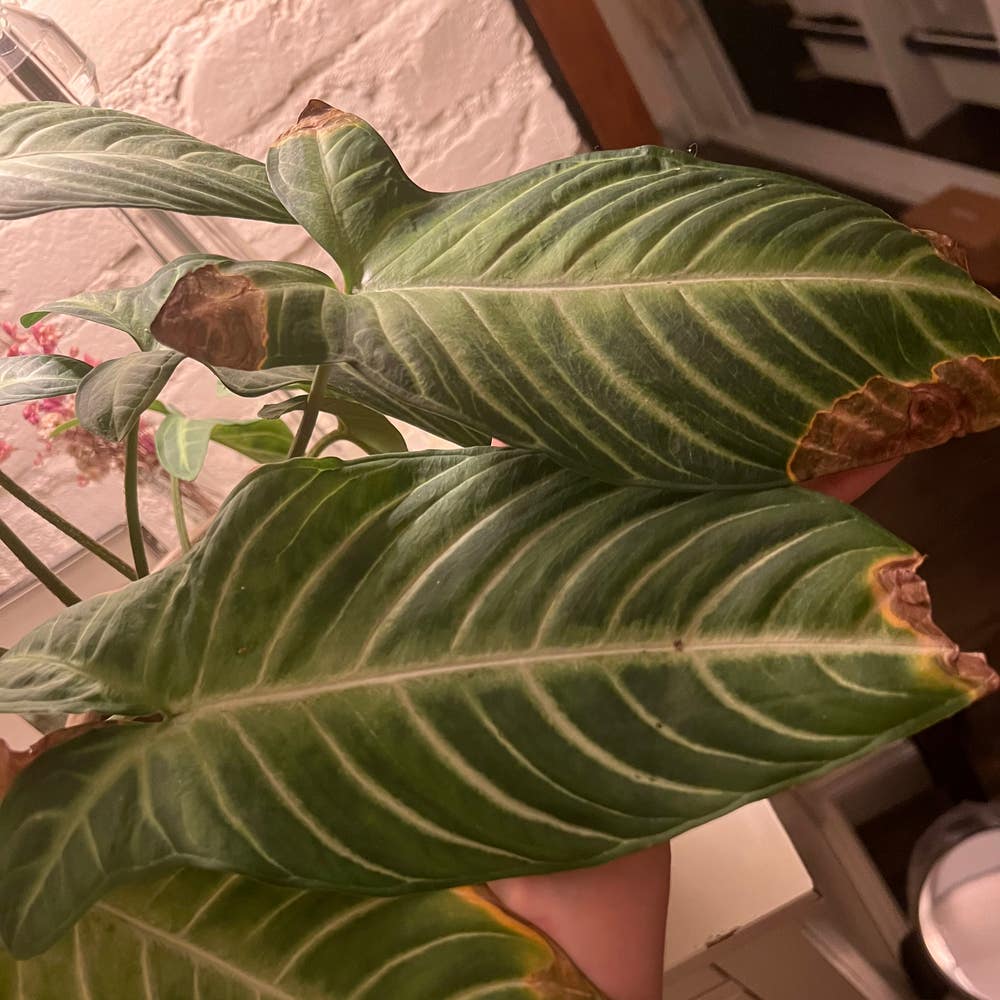
🐛 What To Do About Bugs on My Caladium lindenii 'Magnificum'?
Caladium lindenii 'Magnificum'
By the Greg Editorial Team
Jun 18, 2024•3 min read
This article was created with the help of AI so we can cover more plants for you. May contain errors. See one? Report it here.
- Identify pests early with signs like webbing, stippling, and stickiness.
- Natural predators and soaps help control mites, aphids, and more.
- Prevent infestations with quarantine, inspection, and proper watering.
Spot the Invaders: Identifying Common Pests
🕷️ Spider Mites and Thrips
Webbing and stippling on leaves are the calling cards of spider mites. These nearly microscopic pests spin silken threads as a sign they've taken up residence. Thrips, meanwhile, leave behind silvering on foliage, a shimmering trail of destruction. To see these tiny terrors, you might need a magnifying glass—they're that small.
🐞 Scale and Mealybugs
Scale insects masquerade as bumps on stems and leaves, while mealybugs look like they've thrown a cottony house party without an invite. Both leave behind honeydew, a sticky substance that can lead to sooty mold. If your plant feels sticky, it's time to play detective.
🦟 Fungus Gnats and Aphids
Fungus gnats are the unwanted aviators of the plant world, often mistaken for fruit flies. They hover around overwatered soil. Aphids are the quintessential sap-suckers, clustering on new growth and leaving behind a telltale stickiness. Catching these pests in the act requires a keen eye during your regular plant check-ups.
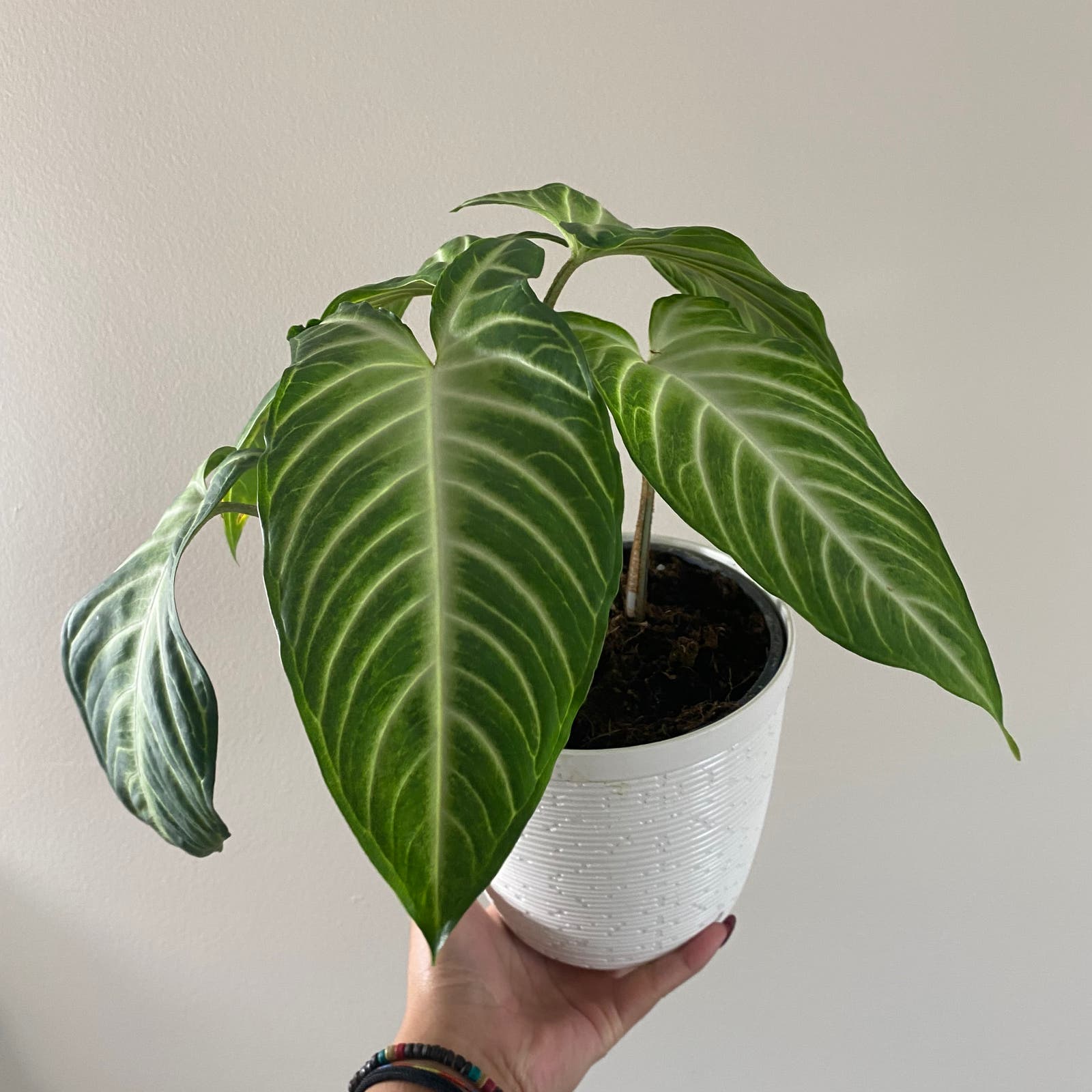
Bug Off: Effective Remedies for Each Pest
🐞 Natural Predators and Insecticidal Soaps
Predators are your garden's covert operatives. Ladybugs and lacewings have a voracious appetite for aphids and mites. Release them near infested areas and watch the takedown. For a less "wild" approach, insecticidal soaps are the ninjas of pest control—silent, efficient, and deadly to soft-bodied invaders. Apply directly to pests every few days until they're history.
🍸 Alcohol Swabs and Horticultural Oils
Got mealybugs or scale? Time for a little alcohol intervention. Use a swab to apply isopropyl alcohol directly to these pests and they'll drop like flies. For a broader approach, horticultural oils are your smothering blanket. They work by suffocating the pests. Spray thoroughly, but mind the temperature and plant sensitivity to avoid turning your green haven into a crispy wasteland.
🪤 Sticky Traps and Neem Oil
Sticky traps are the flypaper of the bug world. Place them strategically around your 'Magnificum' to catch adult gnats and whiteflies. For a more holistic smackdown, there's neem oil. It's like the Swiss Army knife of pest control—multi-functional and reliable. Mix with water and soap, then spray every week, focusing on the undersides of leaves where pests love to party.

Prevention is Key: Keeping Bugs at Bay
🐜 Quarantine and Inspection
Quarantine isn't just for pandemics; it's plant protocol too. New 'Magnificum' additions should be isolated before mingling with your green gang. This step is crucial to prevent any hitchhiking pests from crashing your plant party.
Inspect your Caladium lindenii 'Magnificum' regularly. Think of it as a routine health check-up, scouting for early signs of pest infestation. Catching bugs early is like nipping evil in the bud—literally.
🌱 Cultural Practices
Watering wisdom is your secret weapon against gnats. Overwatering is like rolling out the red carpet for these pests. Ensure the soil is moist but not soggy, and let the top inch dry out before the next watering.
Cleanliness and airflow are not just for aesthetics; they're a dynamic duo in the pest prevention toolkit. Wipe down leaves to discourage pest squatting and maintain good air circulation to avoid creating a pest paradise.

⚠️ Safety First
This content is for general information and may contain errors, omissions, or outdated details. It is not medical, veterinary advice, or an endorsement of therapeutic claims.
Always consult a qualified healthcare professional before using any plant as food, medicine, or supplement.
Never eat any plant (or feed one to pets) without confirming its identity with at least two trusted sources.
If you suspect poisoning, call Poison Control (800) 222-1222, the Pet Poison Helpline (800) 213-6680, or your local emergency service immediately.
Spotted an error? Please report it here.
Eradicate pests from your Caladium with Greg's custom reminders 🛡 for watering and treatment schedules, ensuring your plant stays healthy and bug-free!