What Temperature Does My Wax Heath Need?
Erica ventricosa
By the Greg Editorial Team
Apr 14, 2024•4 min read
This article was created with the help of AI so we can cover more plants for you. May contain errors. See one? Report it here.
- 🌡️ Ideal range 60°F to 75°F (15°C to 24°C) for Wax Heath's health.
- Protect from frost and scorch with mulch or shade cloth.
- Monitor humidity with hygrometers; adjust for seasonal changes.
When Wax Heath Feels the Heat
🌡️ Spotting the Signs of a Too-Toasty Wax Heath
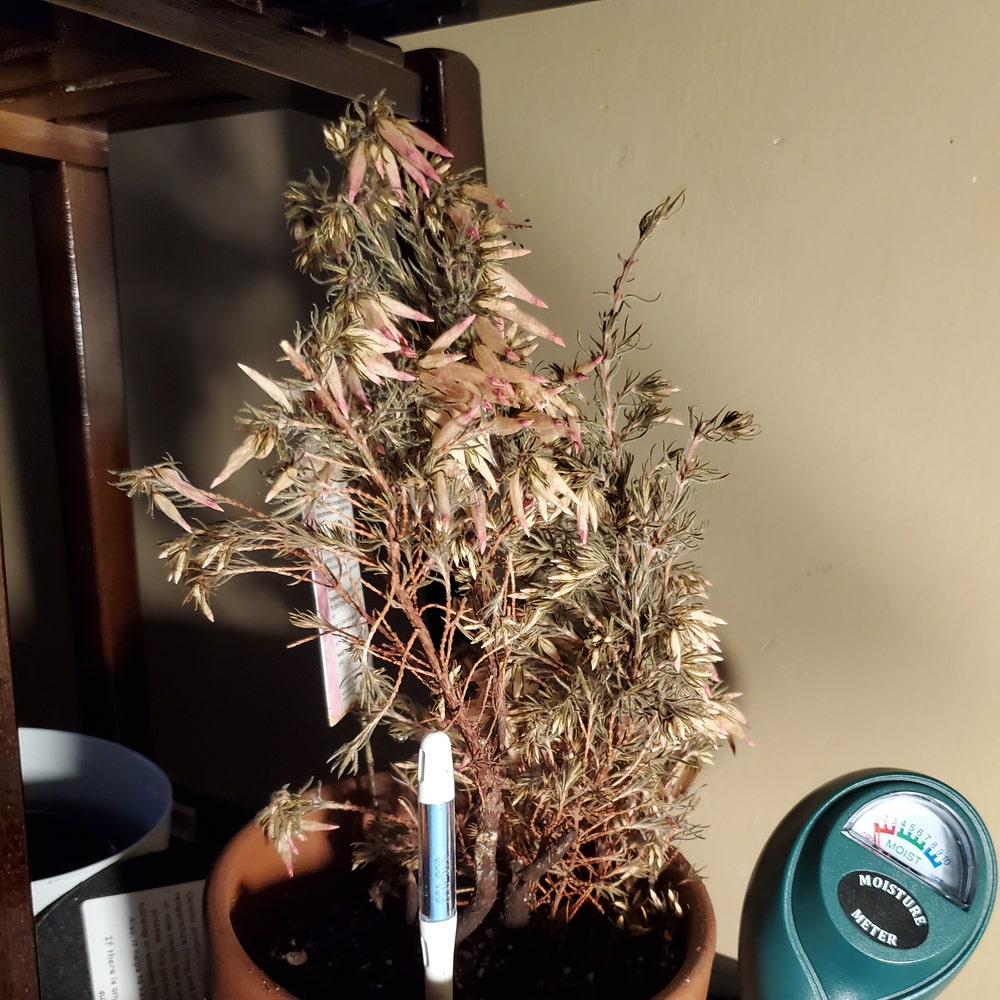
Overheating is a real threat to Wax Heath. If you notice your plant's leaves turning crispy or sporting rust-colored spots, it's waving a red flag. These are classic symptoms of too much heat, akin to a plant's version of a sunburn. The leaves may wilt, and the plant could exhibit a sparse canopy, more air than foliage. It's a clear sign your Wax Heath is begging for a break from the heat.
❄️ Chilly Vibes: When Wax Heath Gets Too Cold
Conversely, cold damage manifests differently. Should you see leaves turning brown or black, think of it as frostbite in plant terms. Mushy, dark spots on the foliage are not a new aesthetic but a distress signal of being too cold. This is your cue to move your plant away from that drafty window or the overzealous air conditioner.
⚖️ The Balancing Act: Temperature Regulation
Regulating temperature is key. Wax Heath doesn't just want to survive; it wants to thrive. Avoid placing it near heat sources or in the path of cold drafts. It's not just about avoiding the extremes; it's about finding that sweet spot where your plant can flourish. Remember, a happy Wax Heath is one that lives in a stable, comfortable temperature range.
Keeping Wax Heath in the Comfort Zone
♨️ The Sweet Spot: Ideal Temperature Range for Wax Heath
Wax Heath thrives in a temperature range of 60°F to 75°F (15°C to 24°C). This is the plant's comfort zone where it can flourish without breaking a sweat or catching a chill. During winter, a rest period at cooler temperatures between 41°F and 50°F (5°C and 10°C) encourages blooming in early summer. Remember, Wax Heath is no fan of extremes; it prefers consistency over a rollercoaster of highs and lows.
🌡️ Seasonal Shifts: Adjusting Care with Changing Temperatures
As the seasons turn, so must your vigilance in temperature management. In the warmer months, ensure Wax Heath isn't subjected to a scorching sun without protection. Conversely, when winter's chill is in the air, shield your plant from frosty drafts and provide a stable environment that doesn't swing wildly. Indoor plants should be kept away from heaters and air conditioners to avoid sudden temperature changes. Outdoor plants may require strategic placement or even a temporary move indoors. Keep an eye on the mercury and make slight adjustments as needed to keep your Wax Heath from throwing a temper tantrum.
When the Weather Outside is Frightful
Wax Heath's resilience has its limits, especially when the temperature plummets or skyrockets. Here's how to shield your plant from the extremes.
❄️ Protecting Wax Heath from Frosty Foes
Frost is no friend to Wax Heath. When the mercury dips, it's time to act. Move your plant indoors or to a more sheltered spot if it's potted outdoors. For in-ground plants, a layer of mulch can act as a cozy blanket, keeping the soil temperature more stable. And remember, horticultural fleece is not just for sheep; it's a plant lifesaver when Jack Frost is in town.
☀️ Summer Sizzle: Guarding Against the Scorch
Conversely, when the sun cranks up the heat, Wax Heath can suffer. Shade cloth is your ally, acting like a parasol for your plant. Positioning is key; find a spot with bright, indirect light, away from the harsh midday sun. Think of it as creating a chill lounge for your plant where it can sip on light without getting burned. And don't forget, a good watering routine helps keep the roots cool and hydrated, staving off the wilt that high temperatures can bring.
Remember, Wax Heath doesn't have a say in the weather, but with a bit of foresight, you can ensure it stays comfortable year-round.
A Quick Nod to Humidity
Humidity is crucial for Wax Heath, playing a significant role alongside temperature in plant health.
💧 Understanding Humidity's Impact
High humidity can turn your plant's environment into a fungal playground, while low humidity may leave your Wax Heath parched.
🌡 Monitoring and Adjusting Humidity
Hygrometers are invaluable for keeping tabs on moisture levels. Adjust humidity with humidifiers or dehumidifiers to maintain the ideal balance.
🌸 Seasonal Humidity Considerations
Be mindful of seasonal changes; indoor humidity can fluctuate and requires regular monitoring to ensure Wax Heath's comfort.
🌡 Humidity's Relationship with Temperature
Remember, as temperatures rise, so does the capacity for air to hold moisture. This interplay affects Wax Heath's hydration needs.
🌿 The Bottom Line on Humidity
Too much or too little humidity can disrupt Wax Heath's ability to breathe. It's about finding that sweet spot for optimal plant health.
⚠️ Safety First
This content is for general information and may contain errors, omissions, or outdated details. It is not medical, veterinary advice, or an endorsement of therapeutic claims.
Always consult a qualified healthcare professional before using any plant as food, medicine, or supplement.
Never eat any plant (or feed one to pets) without confirming its identity with at least two trusted sources.
If you suspect poisoning, call Poison Control (800) 222-1222, the Pet Poison Helpline (800) 213-6680, or your local emergency service immediately.
Spotted an error? Please report it here.
Ensure your Wax Heath thrives in every season 🌡️ with Greg, as it auto-adjusts care reminders to keep your plant perfectly cozy through temperature swings.