Why Are My Wax Heath Leaves Droopy?
Erica ventricosa
By the Greg Editorial Team
Apr 14, 2024•4 min read
This article was created with the help of AI so we can cover more plants for you. May contain errors. See one? Report it here.
- Over/underwatering causes droopiness, adjust watering and check soil moisture.
- Environmental stress affects leaves, monitor light, temperature, and humidity.
- Revive with proper care, use well-draining soil and consistent monitoring.
Spotting the Signs of Droopy Leaves in Wax Heath
Recognizing Overwatering Symptoms
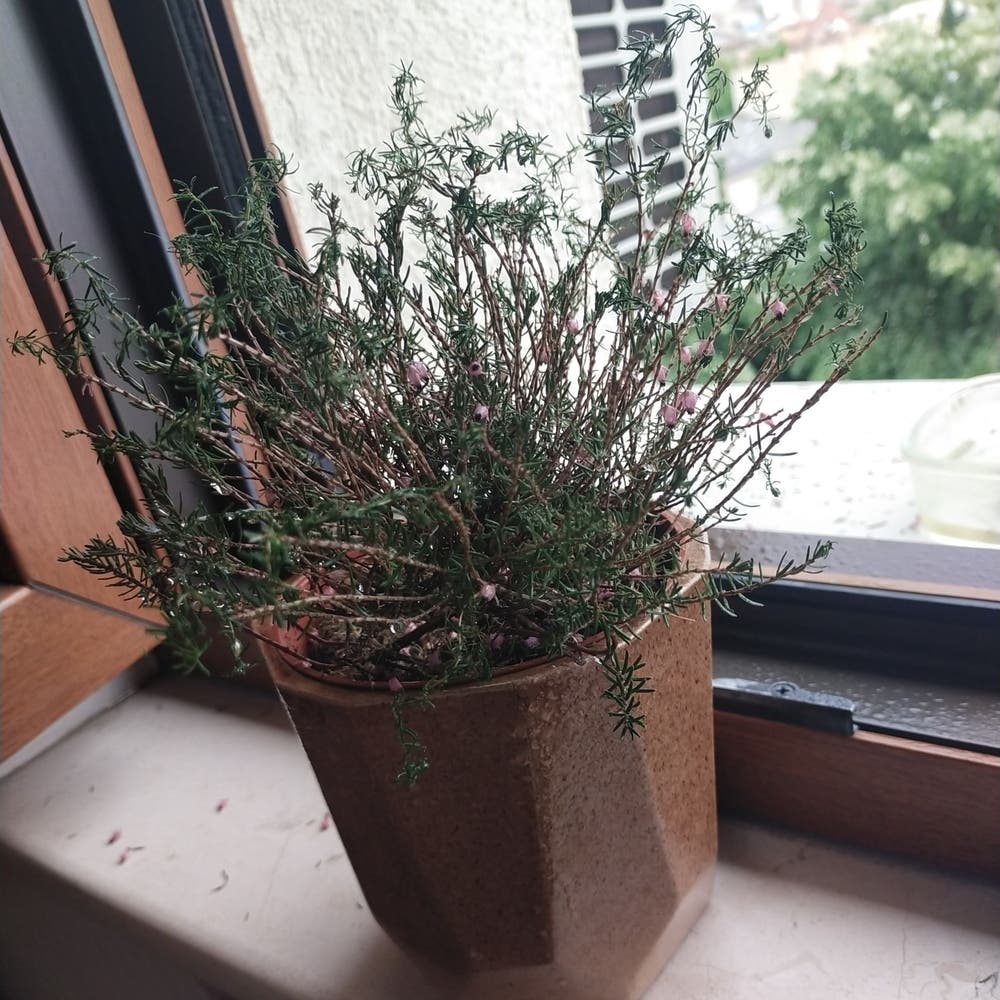
Yellow leaves, wilting, and a mushy stem are the unholy trinity of overwatering in Wax Heath. Overzealous watering leads to a soggy situation where roots rot and can't support the plant, causing leaves to slump in despair.
Identifying Underwatering Indicators
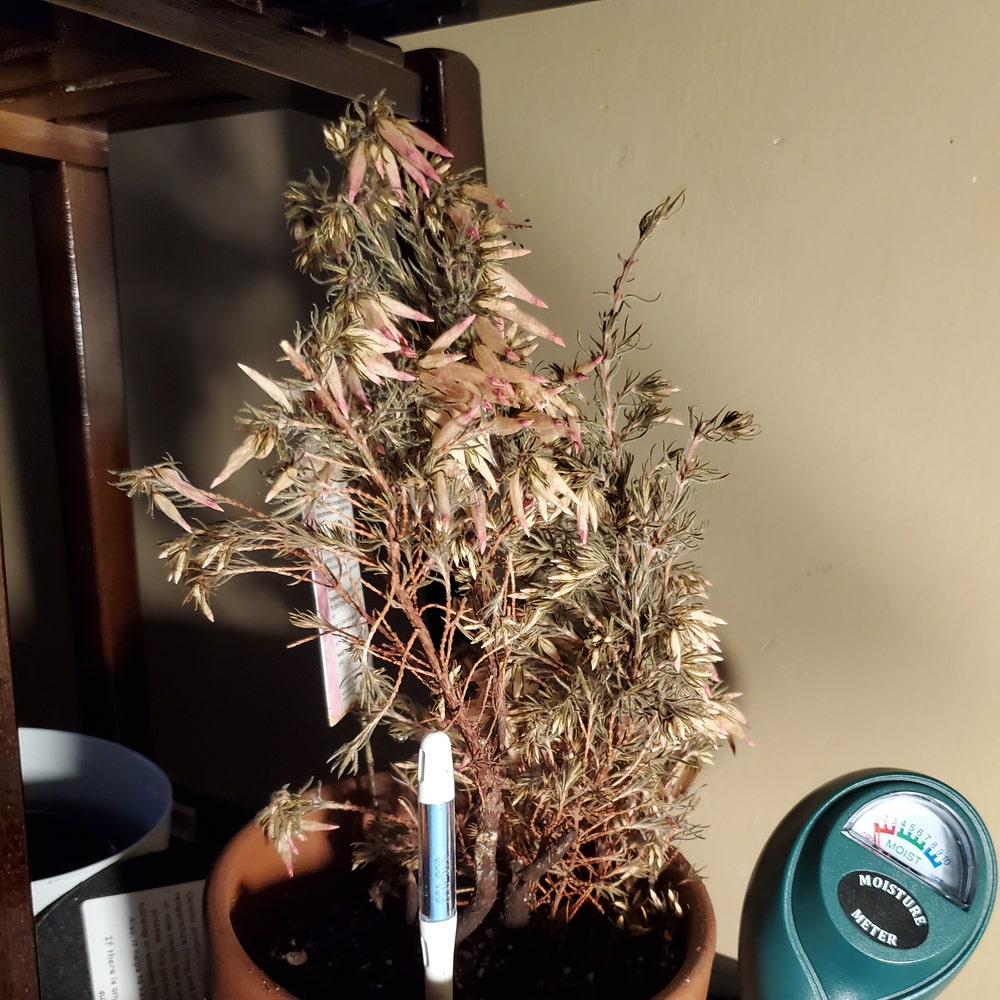
Conversely, leaves that feel like crispy autumn leaves are screaming for water. A Wax Heath begging for a drink will also show stunted growth and leaves that are green yet brittle, as if pleading for hydration.
Environmental Stress Signals
Droopy leaves can also be a plant's white flag against environmental stress. Look for leaves losing their luster or showing crispy edges. Discoloration or black spots are not just cosmetic issues; they're distress flares signaling potential disease or damage.
Diagnosing the Droop: Finding the Root Cause
🌱 Assessing Soil and Water Conditions
Checking soil moisture is like giving your plant a health check-up. If the soil feels like yesterday's coffee grounds, it's too dry. Conversely, if it's more like a damp towel at the gym, you've overdone it. Use your finger or a moisture meter to get a read on the situation.
Drainage is another key player. Ensure your pot isn't holding water like a kiddie pool. Wax Heath's roots aren't fans of a prolonged soak.
💧 Understanding the Balance of Watering for Wax Heath
The Wax Heath is not a camel, nor is it a fish; it likes its water in moderation. Watering should follow the Goldilocks principle: not too much, not too little, but just right. Adjust your routine to the plant's needs, and remember, consistency is your friend.
🌞 Evaluating Environmental Factors
When it comes to light, Wax Heath is a bit of a diva. It craves bright, indirect sunlight. Too much direct sun, and it'll throw a fit with droopy leaves. Not enough light, and it'll sulk.
Temperature and humidity need to be on your radar too. Think of your plant as having preferences similar to a picky house guest. Too hot or too cold, and it won't be happy. Aim for a stable environment that doesn't swing like a pendulum.
The Role of Environmental Stress in Leaf Health
Environmental stress is like a bad office job for your Wax Heath. It can cause the leaves to droop as if they're slouching in a chair. Keep an eye out for drafts, sudden temperature changes, or a humidity level that's more Sahara than Amazon.
Reviving Droopy Leaves: Immediate Actions
💧 Correcting Watering Mishaps
Adjusting your watering routine is crucial for Wax Heath recovery. If leaves are droopy due to overwatering, hold off on the H2O and let the soil dry out. For underwatered plants, give them a thorough drink, but don't turn your pot into a swamp. Remember, the soil should dry slightly between waterings.
🚰 Techniques for Saving Overwatered or Underwatered Wax Heath
For the overwatered, ensure drainage holes are clear. If the soil is soggy, a repot might be necessary, using a mix with better drainage, like adding perlite. Underwatered? Gradually increase watering frequency, monitoring the plant's response. It's like rehab for your plant's hydration habits.
🌞 Tweaking Environmental Conditions
Immediate environmental changes can make a world of difference. If your Wax Heath is in a drafty spot or under the harsh midday sun, move it. Aim for a consistent temperature and indirect light to prevent further stress.
🌿 Acclimating Wax Heath to its Ideal Conditions
Acclimating your plant involves more than just finding a sweet spot. It's about creating a microclimate that mimics its natural habitat. This means balancing humidity and light levels to keep your Wax Heath from throwing a fit. Keep an eye on your plant; it'll tell you if you're getting it right.
Keeping Leaves Perky: Long-Term Strategies
🌱 Soil and Pot Mastery
Terracotta pots are the MVPs for Wax Heath parents. Their breathability is key to avoiding overwatering, letting excess moisture escape like a smooth criminal. Drainage holes? Absolutely essential. For soil, think well-draining mix with perlite or coarse sand – it's like a comfy, dry bed for your plant's roots. And remember, regular soil check-ups are non-negotiable; they're the routine health checks that keep your green buddy in top shape.
🕰 Consistent Care and Monitoring
Routine is the name of the game. Establish a watering schedule that's as consistent as your morning coffee. Make sure it adapts to the changing seasons, because no one likes a shock to the system. Pruning isn't just for looks; it's a strategic move to encourage a fuller, happier plant. And airflow – don't let your Wax Heath suffocate in a stale corner. Keep an eye out for subtle changes in leaf posture or color; it's like reading your plant's mood ring.
⚠️ Safety First
This content is for general information and may contain errors, omissions, or outdated details. It is not medical, veterinary advice, or an endorsement of therapeutic claims.
Always consult a qualified healthcare professional before using any plant as food, medicine, or supplement.
Never eat any plant (or feed one to pets) without confirming its identity with at least two trusted sources.
If you suspect poisoning, call Poison Control (800) 222-1222, the Pet Poison Helpline (800) 213-6680, or your local emergency service immediately.
Spotted an error? Please report it here.
Turn those droopy Wax Heath leaves into a sign of flourishing health 🌿 by using Greg to fine-tune your plant's care routine based on the insightful tips from this article.