Why Are My Wax Heath Leaves Dropping?
Erica ventricosa
By the Greg Editorial Team
Apr 14, 2024•4 min read
This article was created with the help of AI so we can cover more plants for you. May contain errors. See one? Report it here.
- Overwatering? Check soil moisture and pot weight; let soil dry if needed.
- Underwatering signs: Wilting, crispy leaves. Water when top inch of soil is dry.
- Nutrient balance is key for preventing yellow leaves and promoting growth.
When Too Much Love Drowns Your Plant: Overwatering Woes
💧 Spotting the Signs of Overwatering
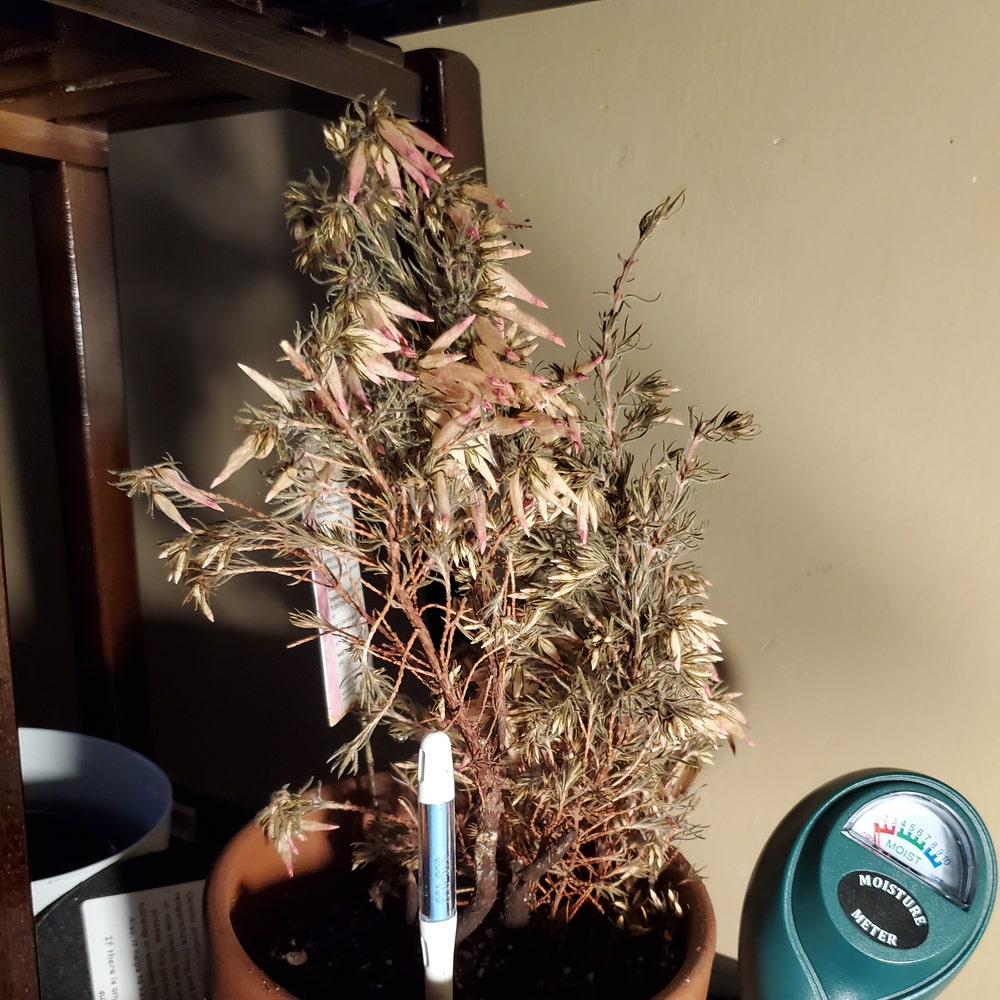
Yellowing leaves, a mushy stem, and brown spots are the plant's SOS. If the soil feels like a wet sponge, you've been too generous with water. A pot heavier than your expectations for a blind date is a clear sign to ease up on the watering can.
🚱 Saving Your Plant from a Watery Grave
First, halt all watering and let the soil dry out. It's like a time-out for your overzealous plant care. Check for drainage issues and clear any blockages. If the roots are as sad as a forgotten leftovers, trim the damage. A fresh start in well-draining soil can be the difference between plant heaven and plant purgatory.
🌱 Best Watering Practices for Wax Heath
Your Wax Heath isn't a camel, nor is it a fish—find the sweet spot. Water when the top inch of soil is dry. Consider a well-draining soil mix as a buffer for your enthusiasm. And if you're forgetful, a moisture meter isn't cheating—it's smart plant parenting.
Thirsty for Attention: The Perils of Underwatering
🏜️ How to Tell if Your Wax Heath is Dehydrated
Wilting leaves are the Wax Heath's white flag of surrender to thirst. Crispy foliage? That's the plant's equivalent of licking dry lips. Slow growth is a subtle hint; your Wax Heath isn't lazy, it's parched. If the soil's as dry as yesterday's toast, it's time to water.
Quenching Your Plant's Thirst the Right Way
Moisture check: Stick a finger in the soil. Past the first knuckle and dry? Water's due. Go for a deep watering, making sure it's a drink, not a flood. Adjust your schedule if the soil dries out quicker than your interest in a bad movie. Pot upgrade? If your plant's thirst rivals that of a marathon runner, consider a pot that retains moisture better.
When the Weather Outside is Frightful: Environmental Stress Factors
🌿 Identifying Stress Symptoms in Wax Heath
Wax Heath plants are not drama queens, but they do have a dislike for environmental upheaval. Leaf drop is their way of saying they're not happy with their current digs. Look out for leaves that seem sunburned or wilted; these are red flags that your plant is under environmental stress.
🏡 Creating a Cozy Home for Your Plant
Consistency is key when it comes to temperature and humidity for your Wax Heath. Aim for a stable environment, ideally between 65°F to 75°F (18°C - 24°C), to prevent a leafy mutiny. Avoid placing your plant near drafts or heaters, as sudden temperature changes are as welcome as a snowstorm in July.
Humidity levels also need your attention. Too dry, and your plant's leaves might start to resemble potato chips; too moist, and they'll droop like they've lost all will to stand tall. Strike a balance to keep your Wax Heath perky.
Remember, relocating your plant is akin to uprooting a tree; it's stressful. So, resist the urge to move it frequently. Find a spot where your Wax Heath can bask in consistent light without being scorched by the sun, and let it settle in.
During the shorter, gloomier days, consider supplementing with artificial light to mimic the sun's embrace. And when it comes to wind, think gentle breezes, not gale-force winds; a sheltered spot will protect your plant from the harsh elements.
Lastly, don't underestimate the power of a pebble tray or humidifier to maintain the humidity at just the right level. It's like creating a mini ecosystem that caters to your Wax Heath's tropical sensibilities.
Feeding Frenzy: Nutrient Deficiency and Leaf Drop
🍽️ The Tell-tale Signs of Nutritional Shortcomings
Your Wax Heath isn't just dropping leaves for fun—it's hungry. Yellowing leaves can be a distress signal, screaming for nitrogen. If growth is as slow as a snail race, phosphorus could be the missing piece. Lackluster leaves? Potassium might be the culprit. And don't forget magnesium—the silent hero for that rich green hue.
🌱 Crafting the Perfect Diet for Your Wax Heath
Soil testing is like a wellness check for your plant's diet. Once you pinpoint the deficiencies, a balanced fertilizer is your go-to. But here's the kicker: moderation is key. Overfeeding can torch your plant's roots like a bad barbecue. Stick to the recommended dosages and watch for signs of improvement—brighter leaves, new growth. Remember, feeding is seasonal—like your favorite holiday treats, it's not an all-year affair. Keep an eye on the growing season and let your plant feast accordingly.
⚠️ Safety First
This content is for general information and may contain errors, omissions, or outdated details. It is not medical, veterinary advice, or an endorsement of therapeutic claims.
Always consult a qualified healthcare professional before using any plant as food, medicine, or supplement.
Never eat any plant (or feed one to pets) without confirming its identity with at least two trusted sources.
If you suspect poisoning, call Poison Control (800) 222-1222, the Pet Poison Helpline (800) 213-6680, or your local emergency service immediately.
Spotted an error? Please report it here.
Prevent Wax Heath leaf drop and maintain perfect plant health by letting Greg's tailored reminders 🍃 keep you on track with watering and nutrient schedules.