Why Are There Brown Spots on My Wax Heath Leaves?
Erica ventricosa
By the Greg Editorial Team
Apr 14, 2024•4 min read
This article was created with the help of AI so we can cover more plants for you. May contain errors. See one? Report it here.
- Brown spots signal issues like sunburn, overwatering, pests, or fungi.
- Prevent with care: Proper watering, pest-proofing, and airflow.
- Act fast: Early detection and treatment keep plants healthy.
Spotting the Trouble: Identifying Brown Spots on Wax Heath
🕵️ Visual Guide to Brown Spots
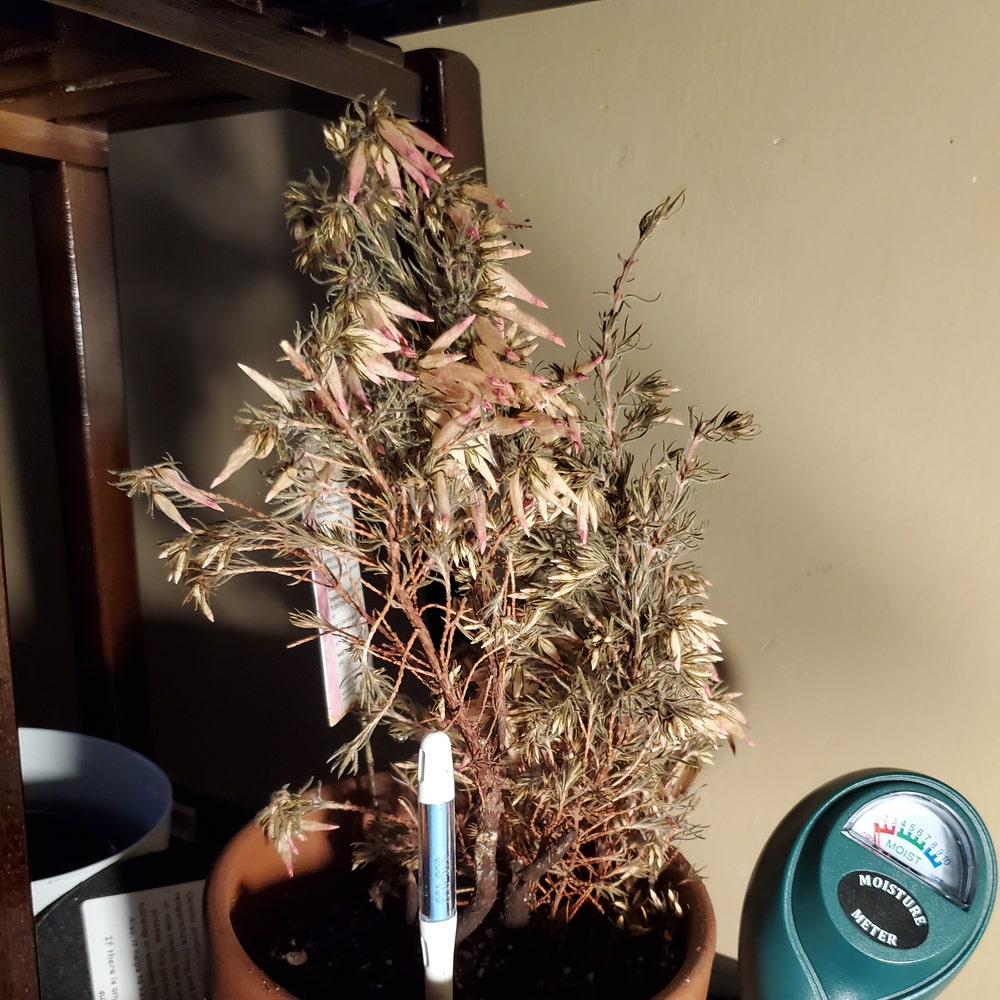
Brown spots on Wax Heath can be alarm bells. They range from tiny specks to large patches, with hues from tan to dark brown. Texture is a telltale sign: crispy spots often mean sunburn, while soft ones could indicate overwatering. Location is also a clue—spots on the edges might suggest environmental stress, while those on the underside could point to pests.
🦠 Common Culprits Behind the Spots
The usual suspects for brown spots include water issues, pests, and fungi. Overwatering can leave the soil soggy, leading to root rot, while underwatering turns leaves crispy. Pests, those tiny marauders, leave behind holes or sticky residue. Fungi make their presence known with spots sporting halos or rings—think of them as unwanted plant tattoos.
Hitting the Mark: Diagnosing the Cause of Brown Spots
💧 Water Woes
Watering your Wax Heath should be like a Goldilocks game—not too much, not too little, but just right. Overwatering is a common misstep, and it's a direct invite to fungi. If the soil feels more like a swamp and less like a moist cradle, you've overdone it. Adjust your watering schedule so the top layer of soil dries out before you water again. Remember, the leaves hate showers, so aim for the soil to keep them dry.
🐜 Unwanted Guests: Pests
Pests are the ultimate freeloaders, turning your Wax Heath into an all-you-can-eat buffet. Tiny holes or a sticky residue are tell-tale signs of these critters. Time to play bouncer—introduce natural predators, or reach for insecticidal soap. Keep a magnifying glass handy and inspect regularly; early detection means easier eviction.
🍄 Fungi Fallout
Fungi are the uninvited guests that overstay their welcome, leaving a trail of brown spots in their wake. Look for spots with distinct rings or a yellow halo—this is your cue for a fungicide intervention. But don't just douse and hope; promote air circulation and cut back on the waterworks. Fungi love a stagnant, moist environment, so make sure your plant's living conditions are more desert oasis than tropical rainforest.
Fixing the Foliage: Treatment Strategies
💧 Fine-Tuning Watering Habits
Watering is both an art and a science. Get it right, and your Wax Heath will thank you with spotless leaves. Here's how to nail it:
- Check the soil before watering—only add moisture when it's dry to the touch.
- Aim at the base of the plant, avoiding the leaves to keep fungal party-crashers at bay.
- Morning is the best time to water, giving leaves the whole day to dry out.
- Ensure your pot has drainage holes; they're the escape routes for excess water.
- Use well-draining soil to prevent water from pooling around the roots.
- Adjust your watering with the seasons—less in winter, more in summer.
🐜 Pest Purge
Pests are like bad roommates; they eat your food, make a mess, and invite their friends over. Here's how to evict them:
- Inspect your plant regularly for early signs of pests, such as sticky residue or webbing.
- Use neem oil or insecticidal soap to gently but firmly show bugs the door.
- Keep airflow around your plant to discourage pest squatters.
- Quarantine new plants to prevent introducing pests to your plant family.
🍄 Fungus Among Us: Getting Rid of It
Fungi are the uninvited guests at your plant's party. To kick them out:
- Snip off affected areas to stop the spread of the fungus.
- Employ a fungicide, but use it sparingly and according to the label—think of it as a potent spice.
- Improve airflow and reduce humidity around your plant to create a less inviting environment for fungi.
- Keep your tools and pots clean; hygiene is as crucial for plants as it is for humans.
Remember, the key to healthy plants is consistent care and quick action at the first sign of trouble. Keep these strategies in your plant care toolkit, and you'll be well on your way to a lush, spot-free Wax Heath.
Keeping the Leaves Lush: Prevention Tips
💧 Proactive Watering Wisdom
Watering your Wax Heath isn't a guessing game. Consistency is key. Use a soil moisture meter or the trusty finger test—dry top inch means go time for H2O. Morning watering rituals let excess moisture evaporate by nightfall, keeping those leaves dry and happy.
🐜 Pest-Proofing Your Plant
Pests are like uninvited party crashers. Regularly inspect your plant for these freeloaders. Introduce beneficial insects or apply neem oil to give pests the boot. Keep your plant's environment clean; a tidy space is less inviting for the critter crowd.
🍄 Fungal Infection Inoculation
Fungi hate a good airflow, so make sure your plant isn't gasping for breath in a stale corner. Prune with purpose—snip off the sad bits to promote health and deter disease. And always water at the base to avoid turning your Wax Heath into a fungal fiesta.
⚠️ Safety First
This content is for general information and may contain errors, omissions, or outdated details. It is not medical, veterinary advice, or an endorsement of therapeutic claims.
Always consult a qualified healthcare professional before using any plant as food, medicine, or supplement.
Never eat any plant (or feed one to pets) without confirming its identity with at least two trusted sources.
If you suspect poisoning, call Poison Control (800) 222-1222, the Pet Poison Helpline (800) 213-6680, or your local emergency service immediately.
Spotted an error? Please report it here.
Keep your Wax Heath spotless and thriving 🍃 with Greg's tailored watering schedules and pest management tips, directly addressing those pesky brown spots from the article's insights!