Symbolism and Benefits of the Wax Heath
Erica ventricosa
By the Greg Editorial Team
Apr 14, 2024•3 min read
This article was created with the help of AI so we can cover more plants for you. May contain errors. See one? Report it here.
- 🌸 Wax Heath's blooms and scent enhance aesthetics and calm the mind.
- 🐝 Boosts biodiversity by attracting pollinators and supporting wildlife.
- 🌱 Symbolizes resilience and promotes psychological well-being.
Unveiling the Charm: Aesthetic and Emotional Perks
🌸 Ornamental Splendor
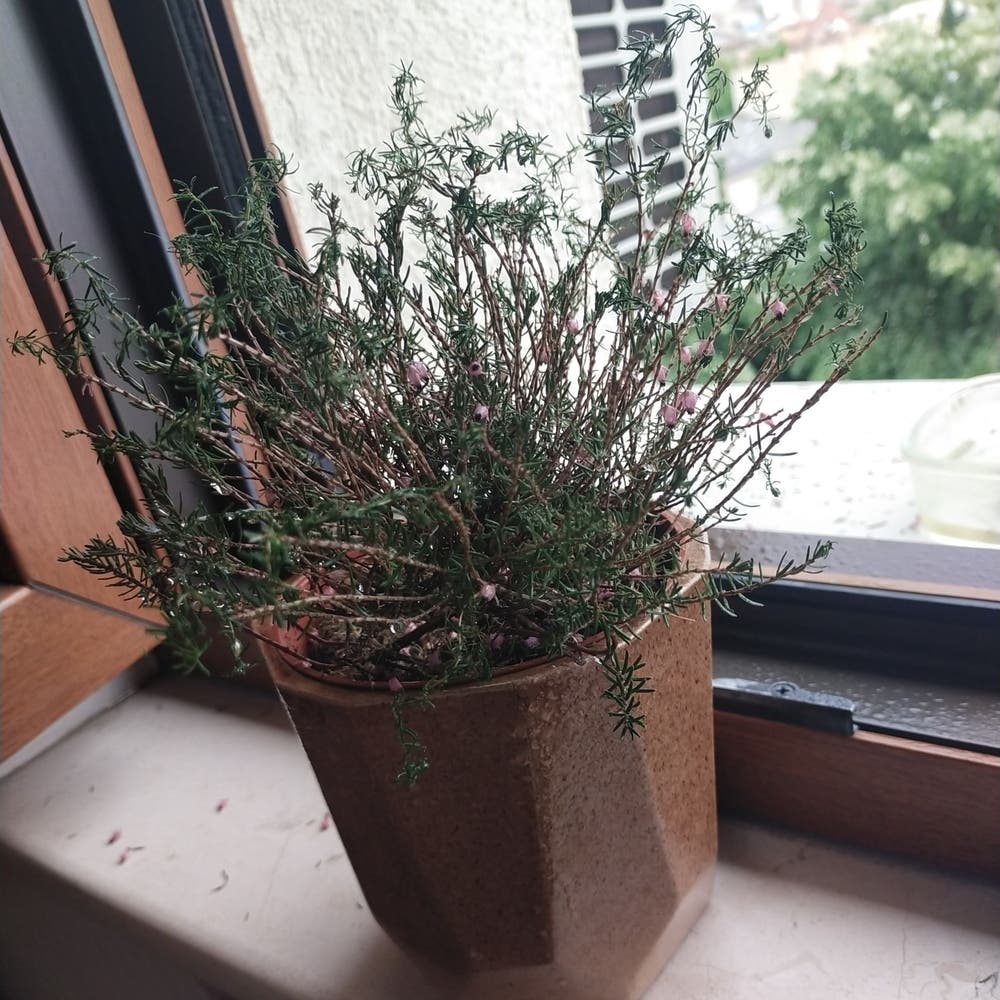
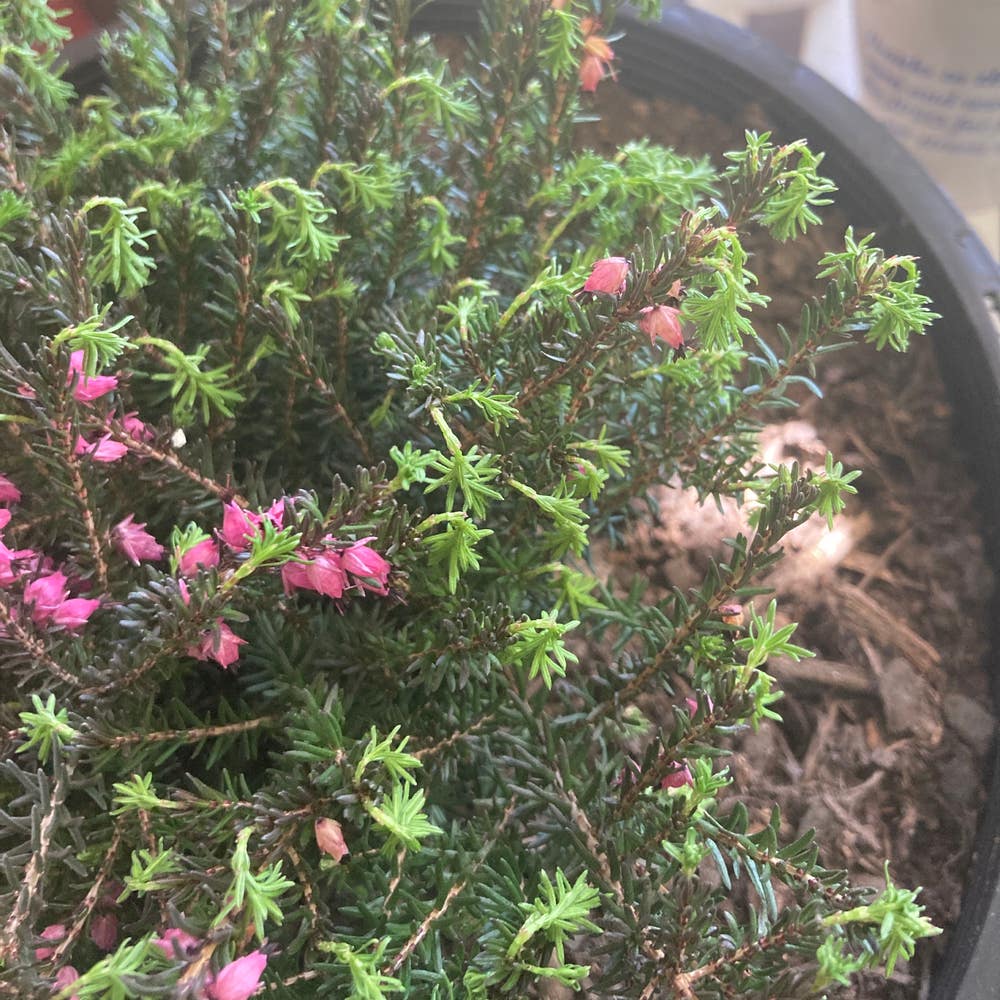
Wax Heath's waxy blooms are a visual delight, with their bell-shaped flowers ranging from pristine white to soft pink. These clusters of beauty bring a year-round spectacle to gardens, shining even in the chill of late winter. They're not just pretty faces; they're versatile, fitting into containers, hedges, or mixed borders with ease. Low maintenance means you can enjoy their ornamental splendor without the constant upkeep.
🌺 Scented Bliss
The sweet aroma of Wax Heath is nature's own stress reliever. Its fragrance is used in aromatherapy to soothe the mind, doubling as a natural air freshener. This plant's scent is akin to a spa experience, enveloping spaces with a calming essence. It's a living sculpture, enhancing your environment and well-being with its glossy leaves and subtle presence.
Nature's Ally: Ecological and Health Advantages
🌼 Biodiversity Booster
Wax Heath is a magnet for bees, butterflies, and birds. Its nectar-rich flowers offer critical sustenance during scarce times.
Pollinators thrive thanks to Wax Heath. It's a key player in maintaining the delicate balance of our garden ecosystems.
🌿 Green Healer
Wax Heath's blooms are more than eye candy; they're a natural remedy. Traditionally used for coughs and skin issues, they're a nod to nature's pharmacy.
Aromatherapy? Wax Heath has it covered. Its fragrance is a stress-buster, rivaling any synthetic air freshener.
Modern wellness is taking cues from Wax Heath's medicinal properties. Its potential as a diuretic and tonic is under the spotlight, sans modern studies.
Remember, while Wax Heath's medicinal uses are promising, they're not a substitute for professional medical advice. Always consult with a healthcare provider.
Echoes of Resilience: Symbolism and Personal Growth
💪 Symbols of Strength
The Wax Heath's tenacity is a living emblem of resilience. Its ability to thrive in challenging environments mirrors the human spirit's capacity for perseverance. Just as this plant stands firm against the elements, it encourages us to embody similar determination in our own lives.
🌱 Growth and Connection
Caring for Wax Heath can be a deeply personal journey, fostering psychological well-being. Each new bloom can signify a step forward in one's life, a testament to the growth that comes from nurturing something other than oneself. This act of care cultivates a sense of connection, not just to the plant, but to the cycle of life and growth it represents.
Cultural and Spiritual Roots
🌿 Folklore and Festivities
Wax Heath, while not steeped in ancient lore, has carved its niche in modern culture. It's a symbol of stability and upward growth, resonating with today's fast-paced society. In some traditions, it's seen as a guardian during new beginnings, offering protection and nurturing vibes. Its medicinal qualities, though not a cure-all, are believed to foster a healthier living space.
🎐 Feng Shui and Harmony
In the realm of Feng Shui, Wax Heath is more than just a plant; it's a chi nourisher. Its presence is thought to enrich mental health and promote positive energy flow. Adhering to the Five Elements Theory, its strategic placement can transform living spaces into harmonious sanctuaries. It's akin to the Ti plant in Hawaii, serving as a living emblem of cultural values and aspirations, cherished across generations.
⚠️ Safety First
This content is for general information and may contain errors, omissions, or outdated details. It is not medical, veterinary advice, or an endorsement of therapeutic claims.
Always consult a qualified healthcare professional before using any plant as food, medicine, or supplement.
Never eat any plant (or feed one to pets) without confirming its identity with at least two trusted sources.
If you suspect poisoning, call Poison Control (800) 222-1222, the Pet Poison Helpline (800) 213-6680, or your local emergency service immediately.
Spotted an error? Please report it here.
Nurture your Wax Heath's blooms to brilliance 🌸 with Greg's personalized care plans, ensuring your living emblem of resilience thrives in harmony with your space.