How to Get a Wax Heath to Bloom
Erica ventricosa
By the Greg Editorial Team
Apr 14, 2024•4 min read
This article was created with the help of AI so we can cover more plants for you. May contain errors. See one? Report it here.
- Cooler months trigger Wax Heath blooms, aligning with their natural cycle.
- Prune in spring/early summer for maximum flowering potential.
- Balance light, temperature, and nutrients to coax out vibrant blooms.
Timing and Triggering Wax Heath Blooms
🌸 Understanding the Blooming Cycle
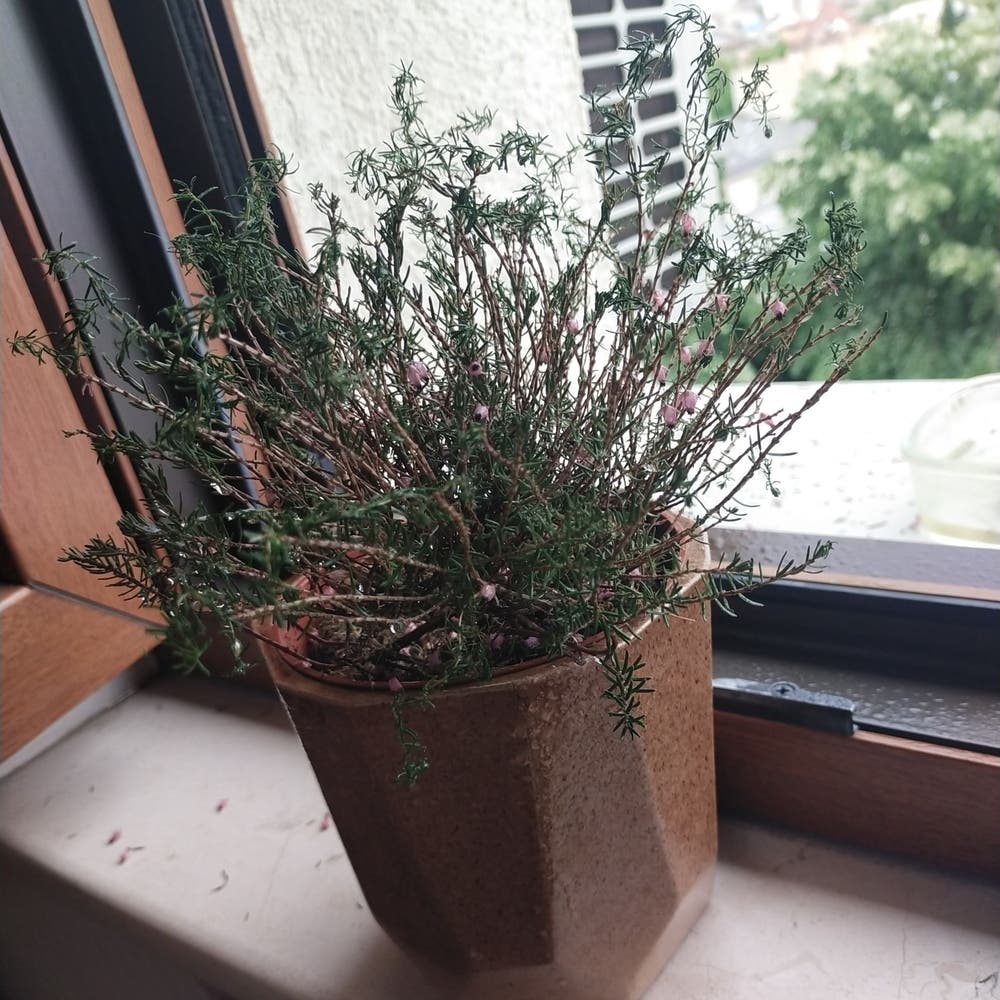
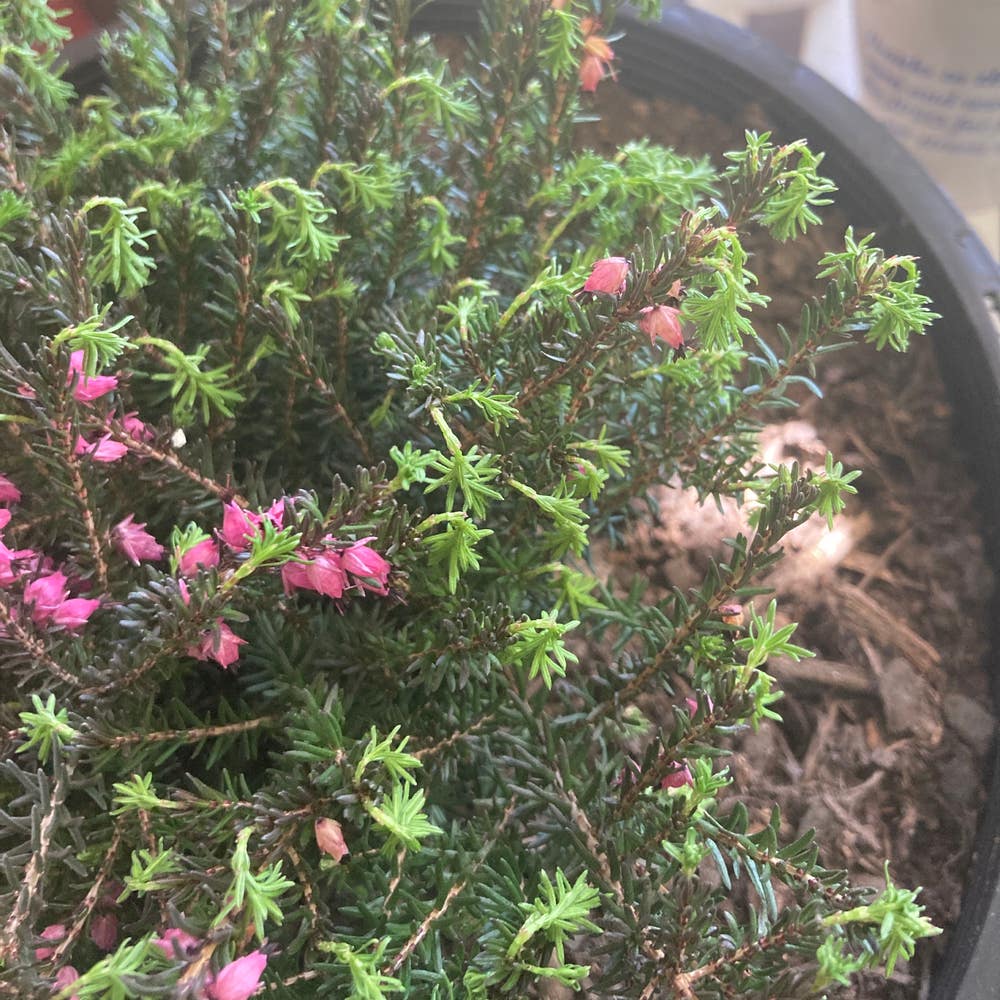
Wax Heath plants have a natural blooming season, typically aligning with the cooler months. You'll know your plant is gearing up to flower when you see new growth and budding stems.
🌞 Light and Temperature: The Blooming Catalysts
Light exposure is key; Wax Heaths need a specific amount of daylight to kickstart their flowering process. As the days grow shorter, they often take this as their cue to bloom. Meanwhile, temperature plays a supporting role; a drop in the mercury can signal to your Wax Heath that it's showtime. Keep an eye on these environmental factors to ensure your plant doesn't miss its cue.
Pruning and Training for Abundant Flowers
🌸 When to Prune for Peak Blooms
Pruning your Wax Heath isn't just a snip here and there; it's timing your cuts for a floral jackpot. The best periods are during the growing season, think spring or early summer, to set the stage for those show-stopping blooms. Steer clear of pruning during the plant's stress times, like the extremes of summer heat or winter's chill.
🌼 Pruning Techniques for Flower Induction
Pruning is less about hacking away and more about strategic snipping for bloom prosperity. Look for latent buds, those shy guys where the leaf hugs the stem, and make your cuts there. Remember, it's about quality, not quantity—never remove more than a third of the plant in one go. Post-bloom pruning? That's your cue to deadhead and tell your Wax Heath, "Let's gear up for another round." Keep those shears sharp and clean; after all, we're going for precision, not a hack job.
Feeding Your Wax Heath for Floral Success
💡 The Role of Nutrients in Flower Development
To coax your Wax Heath into a floral spectacle, it's essential to understand the nutrients that act as the building blocks for those vibrant blooms. Phosphorus is the go-to nutrient for encouraging flower development, while potassium ensures overall plant health and bloom quality. Nitrogen is important too, but it's a balancing act; too much can lead to all leaf, no flower.
💡 Fertilization Strategies for Blooms
When it comes to fertilization, timing is as crucial as the nutrients themselves. Start with a balanced fertilizer early in the growth season to wake up the plant's systems. As blooming approaches, ease up on nitrogen and focus on phosphorus and potassium to give your Wax Heath the best shot at blooming. Remember, over-fertilizing is the botanical equivalent of a sugar crash—less is more. Stick to a schedule, perhaps every 4th to 8th week, and consider diluting your fertilizer to half strength to avoid overwhelming your plant.
Solving Flowering Hurdles
🌸 Addressing Non-Blooming Frustrations
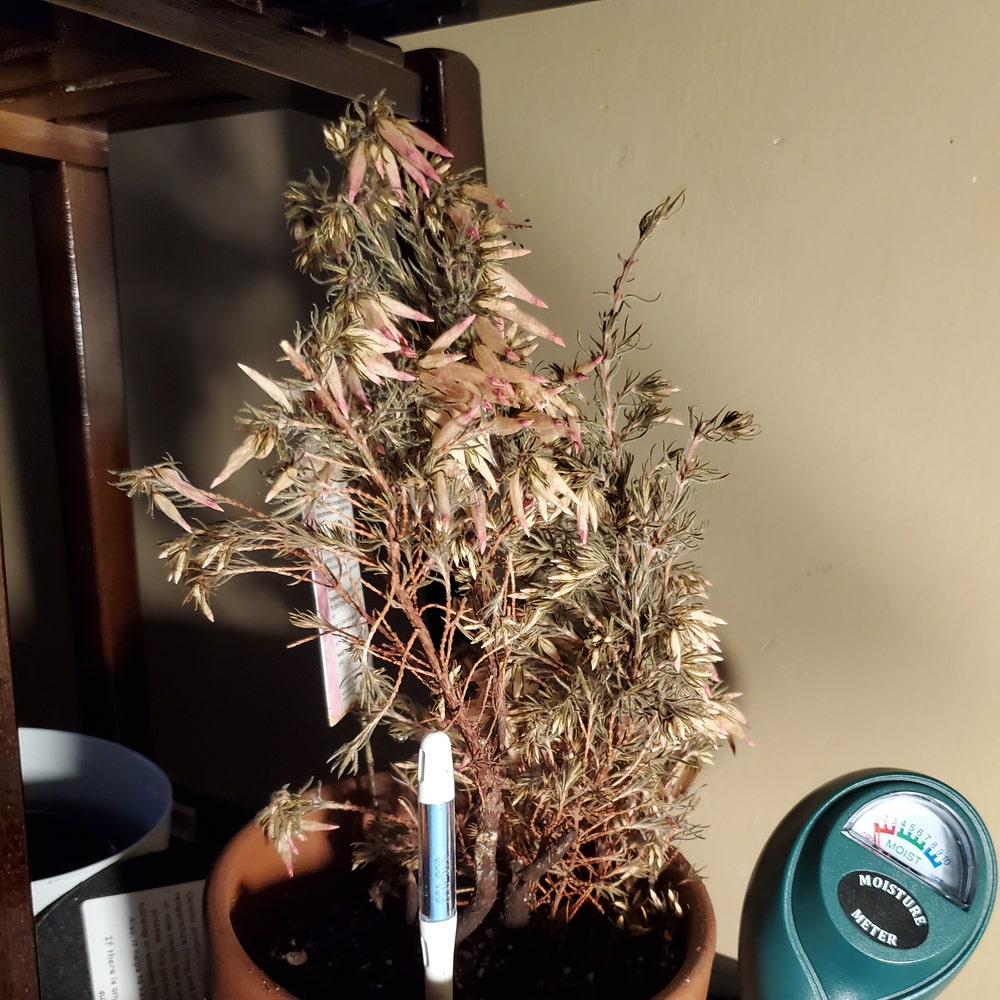
If your Wax Heath is playing hard to get with its blooms, you're not alone. Common culprits include insufficient light, improper watering, or nutrient imbalances. It's a plant, not a puzzle—give it what it needs, and it'll show its gratitude with flowers.
🐛 Pests, Diseases, and Bloom Impediments
🐜 Pests: The Party Crashers
Aphids, spider mites, and mealybugs are like uninvited guests at your Wax Heath's bloom party. Regular checks and organic insecticides can show these pests the door.
🦠 Diseases: The Silent Saboteurs
Fungal infections can be stealthy, but they're not invincible. Keep your plant's area clean, remove affected parts, and improve air circulation to give diseases the boot.
💧 Watering: The Balancing Act
Too much water turns your plant's roots into a soggy mess, while too little leaves it parched. Aim for consistent moisture—your plant will thank you with blooms.
🌞 Light: The Goldilocks Zone
Not enough light and your Wax Heath will sulk; too much and it'll fry. Find that sweet spot of bright, indirect light to get those flowers going.
🍽️ Nutrients: The Diet for Success
Overdoing it with high-nitrogen fertilizers can lead to lush leaves at the expense of blooms. Dial it back and opt for a balanced feed to encourage flowering.
🌡️ Temperature: The Seasonal Nudge
Some Wax Heaths need a hint from the thermometer to start blooming. Mimic those subtle seasonal shifts indoors to trigger the flowering process.
Remember, it's about quality, not quantity. Address these challenges with precision, and you'll be on your way to a spectacular bloom show. Don't be afraid to ask for help from gardening communities when in doubt.
⚠️ Safety First
This content is for general information and may contain errors, omissions, or outdated details. It is not medical, veterinary advice, or an endorsement of therapeutic claims.
Always consult a qualified healthcare professional before using any plant as food, medicine, or supplement.
Never eat any plant (or feed one to pets) without confirming its identity with at least two trusted sources.
If you suspect poisoning, call Poison Control (800) 222-1222, the Pet Poison Helpline (800) 213-6680, or your local emergency service immediately.
Spotted an error? Please report it here.
Ensure your Wax Heath's peak blooming 🌺 by letting Greg tailor your plant's care with precise light monitoring, pruning reminders, and nutrient balance alerts.