Wax Heath Fertilizer: How and When to Use It
Erica ventricosa
By the Greg Editorial Team
Apr 14, 2024•4 min read
This article was created with the help of AI so we can cover more plants for you. May contain errors. See one? Report it here.
- Phosphorus for blooms, nitrogen, and potassium for health - get the N-P-K ratio right.
- Seasonal and growth-stage fertilization ensures Wax Heath's vibrant display.
- Watch for over-fertilization signs to prevent damage and maintain plant health.
Picking the Perfect Fertilizer for Fabulous Flowers
💐 Understanding Nutrient Needs for Blooming
Phosphorus is the star of the show when it comes to blooming. It's like the plant's personal cheerleader for vibrant flowers. Nitrogen and potassium are the support crew, promoting overall health and pep. For Wax Heath, which loves acidic soil, a fertilizer with a lower pH helps nutrients become more available.
📦 Reading the Labels
Fertilizer labels can be a puzzle, but here's the deal: the N-P-K ratio is your treasure map. For Wax Heath, you're looking for a lower nitrogen (N) number to avoid excessive leafiness. A higher phosphorus (P) content is your ticket to bloom town. As for potassium (K), it's the plant's bodyguard against stress. Organic or synthetic? If you're a purist, go organic. If you're practical and want results, synthetics can be your go-to. Just remember, moderation is key—no one likes an overeager feeder.
Timing is Everything: When to Fertilize for Optimal Blooms
📅 Seasonal Smarts
To harmonize with Wax Heath's growth cycle, fertilization should be a seasonal affair. In the spring, as the plant awakens, it's time to offer a nutrient boost to support new growth. This is typically around March, when longer days signal your Wax Heath to get busy. Come summer, maintain a steady fertilization rhythm to fuel the active growth phase. It's akin to keeping a consistent workout routine for peak performance.
For indoor Wax Heaths, the controlled environment might slightly alter the schedule. However, the same principle applies: observe and fertilize in sync with growth cues. Outdoor plants are more exposed to the elements, so their fertilization schedule should be attuned to the actual climate and seasonal changes.
🌱 Growth Stage Guidelines
During the active growth phase, Wax Heath will appreciate a monthly dose of nutrients. It's like a regular paycheck for your plant's hard work. But as the days shorten and temperatures drop, it's time to ease off. Dormancy isn't the time for a nutrient party. Reduce fertilization frequency as growth slows, mimicking the plant's natural rest period. This could mean switching to a bimonthly or even quarterly schedule, depending on how your plant responds. Remember, over-fertilization can lead to a botanical bellyache, so watch for signs of distress and adjust accordingly.
Fertilizing Techniques for Thriving Wax Heath
💧 The Right Amount
Calculating the correct dosage of fertilizer for Wax Heath is crucial to avoid over-fertilization. Half-strength liquid fertilizer is often recommended, especially if the plant is newly bought or repotted, as they won't need feeding in their first year. Stick to a schedule of every 4th to 8th week during active growth periods.
🌱 Application Mastery
Uniform distribution is key when applying fertilizer. Avoid the base of the plant to prevent root burn. Instead, work the fertilizer into the soil around the plant, ensuring nutrients are available without overwhelming the Wax Heath. Always wear protective gear like gloves and a mask when handling fertilizers. After application, watering is essential to help the soil absorb the nutrients and prevent potential root burn. Remember, precision is better than guesswork—measure liquid fertilizers carefully.
Recognizing and Rescuing Over-Fertilized Wax Heath
🚨 Spotting the Signs
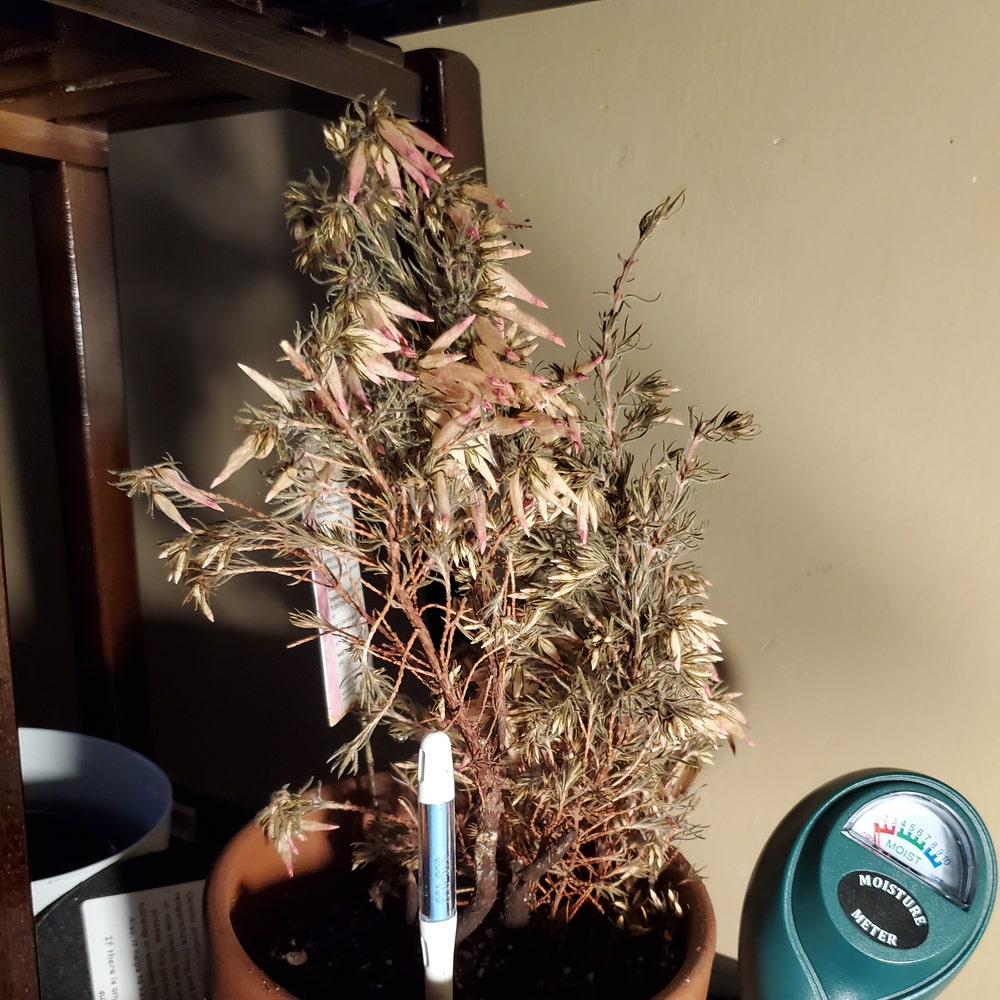
Yellowing leaves or a crusty white buildup on the soil surface can signal over-fertilization in Wax Heath. Look for stunted growth or leaf browning at the tips, which are cries for help from your plant.
🛠 Quick Fixes
If you've overdone it with fertilizer, stop all fertilization immediately. Remove any visible fertilizer from the soil's surface. Flush the soil with water to leach out excess nutrients; repeat this every few days until improvement is observed. Prune away any damaged leaves to help the plant focus on recovery. In severe cases, replace the top layer of soil or consider repotting. Once the plant shows signs of recovery, resume fertilization with caution and ensure even distribution.
⚠️ Safety First
This content is for general information and may contain errors, omissions, or outdated details. It is not medical, veterinary advice, or an endorsement of therapeutic claims.
Always consult a qualified healthcare professional before using any plant as food, medicine, or supplement.
Never eat any plant (or feed one to pets) without confirming its identity with at least two trusted sources.
If you suspect poisoning, call Poison Control (800) 222-1222, the Pet Poison Helpline (800) 213-6680, or your local emergency service immediately.
Spotted an error? Please report it here.
Ensure your Wax Heaths flourish without the fuss 🌺 by relying on Greg to remind you when and how to fertilize—safeguarding against over-fertilization and promoting perfect blooms.