Why Is My Wax Heath Not Doing Well?
Erica ventricosa
By the Greg Editorial Team
Apr 14, 2024•4 min read
This article was created with the help of AI so we can cover more plants for you. May contain errors. See one? Report it here.
- Water wisely: Over/underwatering and root rot are top Wax Heath threats.
- Light & temp matter: Bright, indirect light and 60°F-75°F are ideal.
- Pest & mold patrol: Regular checks and clean surroundings keep pests and mold at bay.
When Water Woes Wilt Wax Heath
🚰 Over and Under: The Watering Balancing Act
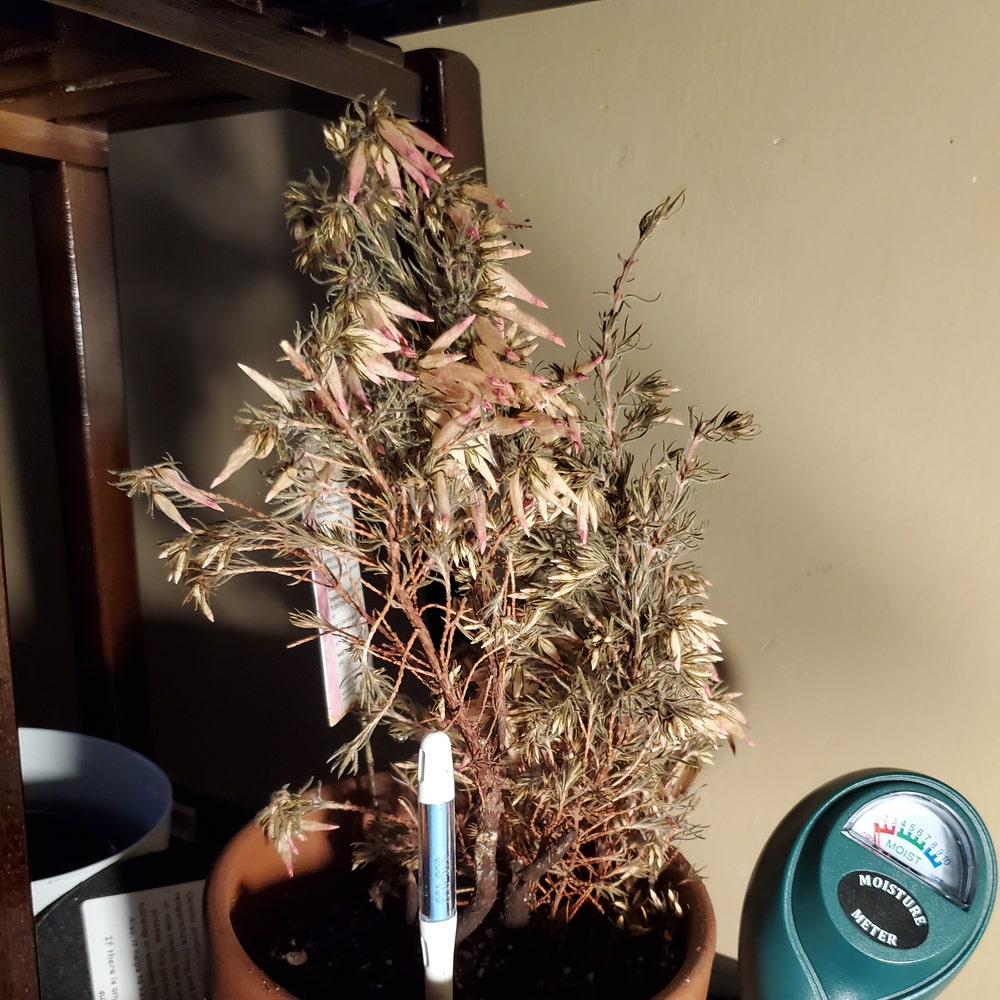
Spotting the signs of too much or too little water is key to Wax Heath survival. Overwatering turns leaves limp, while underwatering leaves them dry and brittle.
Fine-tuning your watering routine for Wax Heath means letting the soil dry out a bit. Think of it like a sponge—it should be moist, not soaked.
🦠 Root Rot: The Silent Killer
Identifying root rot in Wax Heath starts with the nose—a foul smell is a dead giveaway. Yellow leaves and mushy stems are also traitors, revealing too much water love.
Steps to rescue your plant from waterlogged woes involve a stern unpotting. Snip off the rotten roots and repot in fresh soil with proper drainage. Remember, moist is good, swampy is not.
Light and Temperature: The Wax Heath Comfort Zone
🌞 Too Much Sun, Too Little Light
Recognizing the light-related stress in Wax Heath is crucial. Leaves turning crispy or losing their vibrant color? That's your plant screaming for a shade intervention. Finding the sweet spot for your Wax Heath's sunbathing means providing bright, indirect light. Think of it as a cozy reading nook for your plant, not a spot under the harsh midday sun.
🌡️ Temperature Tantrums
Wax Heath throws a fit when temperatures aren't just right. Wilting or discoloration? It's probably not vibing with the current temps. Aim to keep your Wax Heath in a comfort zone between 60°F to 75°F (15°C to 24°C). This range is like a climate-controlled bubble where your plant can chill out and thrive. Avoid placing it near heaters or drafty windows, because nobody likes sitting in a draft, not even your Wax Heath.
The Unseen Enemies: Pests and Pathogens
🐛 Pests: The Invaders on Leaves
Aphids, mealybugs, and spider mites are the usual suspects when it comes to Wax Heath woes. These critters are like uninvited guests, overstaying their welcome and wreaking havoc on your plant's health.
🔍 Spotting the Culprits
Look for sticky residue or webbing on leaves, a clear sign of pest infestation. Mealybugs appear as fluffy white spots, while aphids might cluster on stems and leaf undersides.
🚪 Eviction Notice
To show these bugs the door, start with a strong jet of water to knock them off. For a more targeted approach, dab mealybugs with alcohol on a cotton swab. Insecticidal soap is your go-to for a full-blown infestation.
🍄 Mold and Fungus: The Stealthy Spore Spreaders
Mold and fungus are the silent invaders, thriving in the damp and poorly ventilated nooks of your Wax Heath's environment.
🔍 Spotting the Stealthy Spores
Be on the lookout for white or black spots on leaves, a telltale sign of fungal freeloading.
🚫 Creating a No-Fungus Zone
To stop mold and fungus in their tracks, improve air circulation and keep leaves dry. If the situation calls for it, a targeted fungicide might be necessary. Remember, cleanliness is key—maintain a tidy space around your Wax Heath to deter these stealthy spore spreaders.
Environmental Stress and Your Wax Heath
🌬️ Drafts and Heat Sources: The Invisible Stresses
Wax Heath plants are sensitive to their surroundings, particularly to drafts and heat sources that can cause stress. To ensure your Wax Heath thrives, it's essential to maintain a stable environment.
Drafts from open windows or air conditioning vents can lead to fluctuating temperatures, which Wax Heath does not favor. Consider repositioning your plant to avoid these areas or use draft stoppers to minimize the impact.
Heat sources like radiators can also be problematic, creating hot spots that may overheat your plant. Keep your Wax Heath at a safe distance from these heat sources to avoid temperature stress.
🍂 Leaf Scorching: When Wax Heath Gets Burned
Leaf scorching is a clear sign your Wax Heath has had too much sun. The leaves may exhibit a burned appearance, with brown edges or spots, indicating damage from excessive direct sunlight.
To prevent leaf scorch, position your Wax Heath where it will receive bright, indirect light. If you notice signs of scorching, relocate your plant to a shadier spot to allow it to recover and prevent further damage.
Remember, while Wax Heath enjoys some sun, it's the balance of light exposure that keeps it healthy. Too much direct sunlight can be just as harmful as too little.
⚠️ Safety First
This content is for general information and may contain errors, omissions, or outdated details. It is not medical, veterinary advice, or an endorsement of therapeutic claims.
Always consult a qualified healthcare professional before using any plant as food, medicine, or supplement.
Never eat any plant (or feed one to pets) without confirming its identity with at least two trusted sources.
If you suspect poisoning, call Poison Control (800) 222-1222, the Pet Poison Helpline (800) 213-6680, or your local emergency service immediately.
Spotted an error? Please report it here.
Revive your Wax Heath by recognizing its needs and creating the perfect habitat—let Greg's 🌿 custom reminders keep your plant's environment stable and stress-free!