Wax Heath Root Rot Solutions
Erica ventricosa
By the Greg Editorial Team
Apr 14, 2024•4 min read
This article was created with the help of AI so we can cover more plants for you. May contain errors. See one? Report it here.
- Yellow leaves and wilting signal Wax Heath root rot.
- Prune, repot, and dry soil to treat and give roots a fresh start.
- Prevent with proper watering, drainage, and air circulation.
Spotting the Red Flags: Symptoms of Root Rot in Wax Heath
🚩 Visual Clues
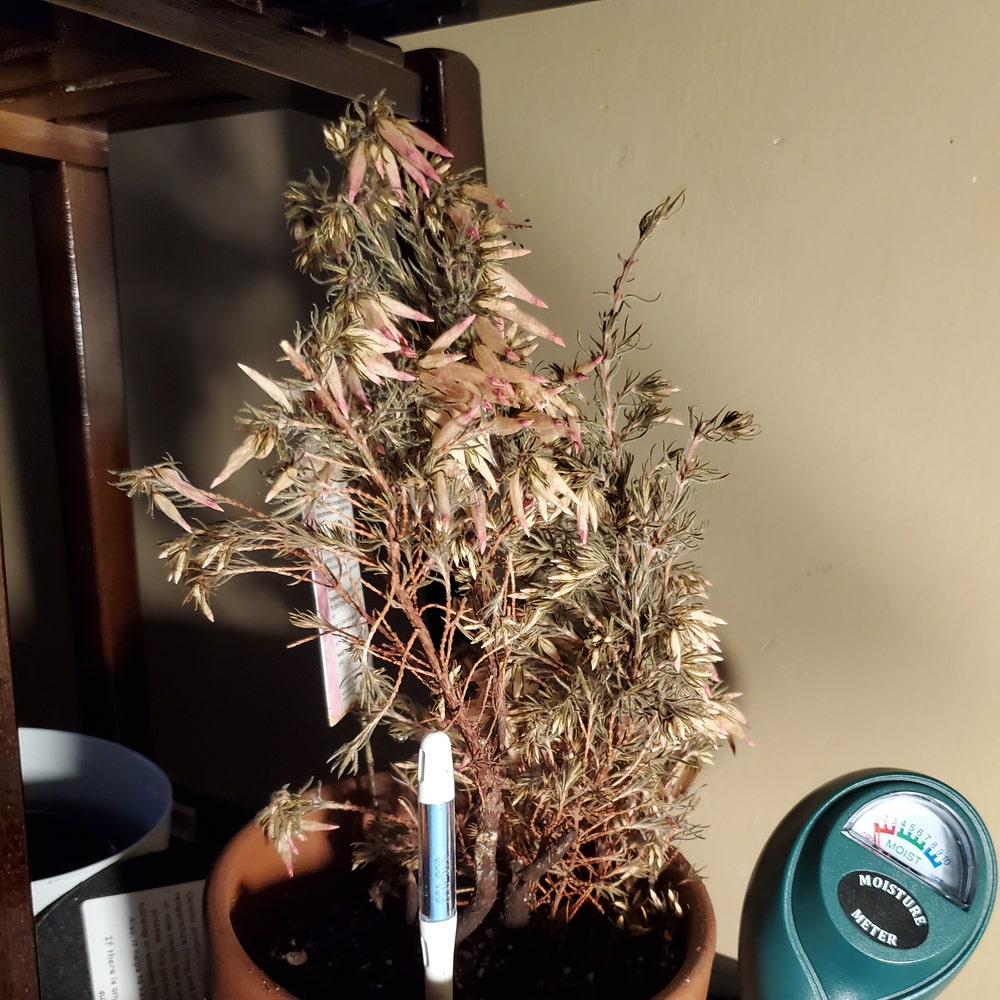
Yellowing leaves on your Wax Heath aren't just crying for attention—they're screaming for help. Wilting is another red flag, especially when the soil feels more like a swamp than a bed. And if the roots have turned from a healthy white to a discolored brown, you've got a clear sign of distress.
🕵️ Beyond the Surface
Don't just trust your eyes here; get hands-on. If the soil is as soggy as a wet sponge, your watering habits might need a reality check. And when roots feel as firm as overcooked noodles, it's time to take action. These are the not-so-subtle hints that root rot is crashing your plant's party.
Getting to the Root of the Problem: Diagnosing and Treating Root Rot
🕵️ Unearthing the Issue
Root rot can be a stealthy adversary, often going unnoticed until it's too late. To diagnose it, gently remove your Wax Heath from its pot and clear away the soil for a visual inspection. Healthy roots should be firm and white, while rotting ones are typically soft, brown, and potentially smelly. If you're not sure, a soil test can confirm the presence of rot-inducing fungi.
🪒 Cutting Out the Rot
Once you've confirmed root rot, it's time for some plant surgery. With sterilized shears, prune away the affected roots. Be ruthless but precise—healthy roots are precious and must be preserved. Remember to disinfect your tools both before and after use to prevent spreading any pathogens.
🌱 Giving Roots a Fresh Start
After the damaged roots are removed, repot your Wax Heath in a clean pot with fresh, well-draining soil. This is like relocating your plant to a safer neighborhood. Ensure the new pot has adequate drainage holes to prevent future waterlogging. It's a simple but critical step for a fresh start.
🦠 Fungus Among Us: Tackling Pathogens
Fungicides can be a Wax Heath's knight in shining armor. Apply them as directed, focusing on products like Propiconazole or Subdue for their systemic action. However, don't view fungicides as a silver bullet; they're part of a broader defense strategy. Prevention is always better than cure, so keep an eye on your watering habits and ensure proper soil aeration to keep those fungal fiends at bay.
Drying Out: Immediate Steps to Alleviate Root Rot
🌱 Letting the Soil Breathe
When Wax Heath suffers from root rot, the first step is to stop watering immediately. Overwatered soil needs to dry out, just like a sponge that's been under the tap too long.
Cease Watering
Hold off on the H2O. Let the soil's top layer feel like a desert before you even consider adding more water.
Assess and Fluff
Check the soil's moisture an inch down. If it's damp, it's a no-go for water. Use a fork or your fingers to gently fluff the soil, promoting air flow to the roots.
Improve Drainage
If your pot's more sealed than a drum, it's time for a change. Opt for a pot with drainage holes that don't mess around – the more, the merrier.
Soil Mix Matters
Ditch the old, soggy soil. Mix in some perlite or sand to get that water moving through faster than gossip in a small town.
Air Circulation
Move your plant to a place where the air isn't stale. Good airflow is like a breath of fresh air for your plant's roots.
Remember, these steps are like first aid for your plant – quick, decisive, and essential for recovery.
Keeping the Rot at Bay: Prevention Strategies
💧 Water Wisely
Watering is a delicate art when it comes to Wax Heath. The goal is to hit that sweet spot where the soil's top inch is dry before you unleash the H2O. Thorough watering is key, but only when the plant really needs it. This isn't a swimming contest; it's about quenching thirst without causing a flood.
🏞️ The Right Foundation
Choosing the right soil for Wax Heath is like picking the perfect mattress; it needs to be comfortable but not a sponge. A mix with perlite or sand will let those roots breathe easy. And don't forget the pot—it's gotta have holes. Terra cotta is a champ here, wicking away extra moisture like a pro.
🌡️ Creating the Ideal Environment
Temperature and humidity need to be more consistent than your favorite coffee shop's Wi-Fi signal. Airflow is your plant's dance partner, keeping things fresh and moving to prevent fungal gate-crashers. Rotate your plant regularly to ensure it gets even exposure and to avoid any pest parties.
⚠️ Safety First
This content is for general information and may contain errors, omissions, or outdated details. It is not medical, veterinary advice, or an endorsement of therapeutic claims.
Always consult a qualified healthcare professional before using any plant as food, medicine, or supplement.
Never eat any plant (or feed one to pets) without confirming its identity with at least two trusted sources.
If you suspect poisoning, call Poison Control (800) 222-1222, the Pet Poison Helpline (800) 213-6680, or your local emergency service immediately.
Spotted an error? Please report it here.
Combat Wax Heath root rot by pruning away the damage 🍂 and trust Greg to guide you with tailored watering reminders for a healthy, thriving plant.