Why Are My Wax Heath Leaves Curling?
Erica ventricosa
By the Greg Editorial Team
Apr 14, 2024•5 min read
This article was created with the help of AI so we can cover more plants for you. May contain errors. See one? Report it here.
- Overwatering and underwatering both lead to leaf curl in Wax Heath.
- Temperature and pests also cause curling; manage climate and use neem oil.
- Consistent care prevents issues: balance water, monitor pests, and control diseases.
Spotting the Signs: When Your Wax Heath is Unhappy
💧 Overwatering Woes
Yellow leaves, wilting, and a mushy stem are the unholy trinity signaling you've gone overboard with water. If the soil feels wet past the first inch, it's a red flag. Soggy soil equals slouchy leaves, as the roots begin to rot and lose their ability to support the plant.
🚑 Steps to Rescue an Overwatered Plant
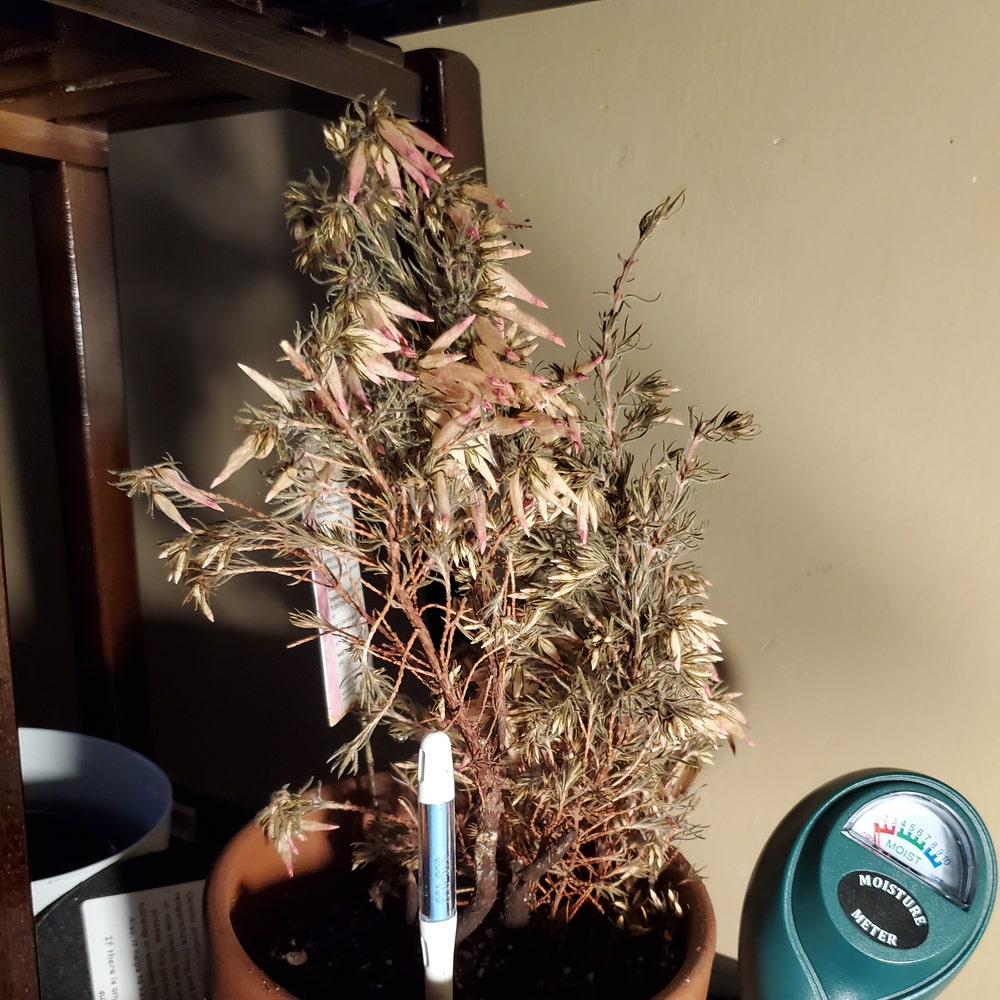
First, cease all watering until the soil dries out to a wrung-out sponge feel. Consider using a moisture meter to gauge the wetness level accurately. If the situation is dire, repotting with fresh, well-draining soil might be your Wax Heath's lifeline.
🏜️ Thirsty for Attention: Underwatering
Leaves feeling dry and crispy? That's your Wax Heath's version of a parched throat. Green but brittle leaves and stunted growth are classic cries for help. If your plant's growth is as sluggish as a snail, you've got an underwatered green buddy.
💦 Reviving Your Dehydrated Green Friend
Time to quench that thirst. Water your Wax Heath thoroughly, ensuring the moisture reaches the roots. Repeat when the topsoil feels dry to the touch. Remember, consistency is key—establish a regular watering schedule.
🌡️ Feeling the Heat: Temperature Stress
Wilting or crispy leaves can be a plant's way of crying out for a cooler environment. If your Wax Heath's leaves resemble overcooked greens, it's time for immediate action. Heat stress is real, and your plant is telling you all about it.
🏠 Creating a Cozy Environment for Wax Heath
Keep your plant away from temperature swings. Find a spot with consistent temperatures that mimic the Wax Heath's natural habitat. Humidity is also crucial—aim for that sweet spot where the air isn't too dry or too moist.
🐜 Uninvited Guests: Pest Infestation
Spotting signs of pests on your Wax Heath? Look for discolored leaves or a sticky residue. Pests are like uninvited guests that refuse to leave—annoying and potentially harmful.
🌿 Natural and Chemical Pest Control Tactics
Go natural with neem oil or insecticidal soap to show these pests the door. For more stubborn infestations, chemical pesticides might be necessary. Always follow the instructions to the letter—overdoing it can be worse than the pests themselves.
🍄 Fungal Foes and Diseases
Detecting disease in your Wax Heath can be tricky. Fungus or mold on the soil? That's a red flag you can't ignore. Fungal issues like mold and mildew leave unsightly spots on your plant.
🩺 Treatment Options for Sick Plants
If you spot disease, isolate your plant to prevent spread. Trim any affected areas and treat with appropriate fungicides. Remember, prevention is better than cure—keep the area around your plant clean and free of debris.
First Aid for Curly Leaves
💧 Balancing the Watering Scale
Watering your Wax Heath is less art, more science. Use a moisture meter or the trusty finger test to ensure the top inch of soil is dry before watering. Consistency is your mantra here; erratic watering is a no-go.
🌡️ Climate Control: Managing Temperature and Humidity
Stability reigns supreme when it comes to your plant's comfort. Keep temperatures steady and consider a humidifier or pebble tray to maintain optimal humidity. Your plant's environment should be as predictable as your morning alarm.
🐜 Evicting Pests: Integrated Pest Management
If pests are throwing a rave on your Wax Heath, it's time to crash it. Neem oil or insecticidal soap are your bouncers, showing those pests the exit. Regular inspections are your best defense; catch the party before it starts.
🏥 Healing the Sick: Disease Management
When disease strikes, it's triage time. Remove affected foliage and isolate the patient. Choose your fungicide like a surgeon selects a scalpel—with precision. And remember, cleanliness is next to plant godliness; sterilize those tools.
Keeping Your Wax Heath Happy and Healthy
💧 The Perfect Sip: Watering Best Practices
Consistency is your Wax Heath's best friend when it comes to watering. Establish a schedule that allows the top inch of soil to dry out before giving it another drink. Remember, your plant's thirst varies with the seasons, so adjust accordingly. Overwatering is a no-go; soggy soil is the fast track to root rot.
🌡️ Ideal Home: Temperature and Humidity Tips
Wax Heaths don't appreciate the "thrill" of temperature swings. Stability is key, so keep your plant in a spot that maintains a steady, comfortable temperature. Humidity is another balancing act; aim for a happy medium with a pebble tray or humidifier, but keep the air moving to ward off fungal nightmares.
🐜 Pest-Free Zone: Regular Monitoring and Prevention
Pests are like bad roommates; they show up uninvited and wreak havoc. Regularly inspect your Wax Heath for freeloaders, and if you spot trouble, show them the door with natural or chemical controls. Quarantine new plants to ensure they don't bring in any unwanted plus-ones.
🏥 Clean Bill of Health: Disease Prevention
Disease prevention starts with proactive health checks and soil care. Keep the foliage dry and the air flowing to discourage disease. A clean environment, with debris cleared away, reduces the chances of fungal parties. And if you're not sure about your plant's health, don't hesitate to seek expert advice.
⚠️ Safety First
This content is for general information and may contain errors, omissions, or outdated details. It is not medical, veterinary advice, or an endorsement of therapeutic claims.
Always consult a qualified healthcare professional before using any plant as food, medicine, or supplement.
Never eat any plant (or feed one to pets) without confirming its identity with at least two trusted sources.
If you suspect poisoning, call Poison Control (800) 222-1222, the Pet Poison Helpline (800) 213-6680, or your local emergency service immediately.
Spotted an error? Please report it here.
Ease your Wax Heath's leaf troubles 🍃 by letting Greg tailor a care schedule that prevents overwatering, balances temperature, and keeps pests at bay!