💧 How Much Humidity Does My Wax Heath Need?
Erica ventricosa
By the Greg Editorial Team
Apr 14, 2024•3 min read
This article was created with the help of AI so we can cover more plants for you. May contain errors. See one? Report it here.
- 40-50% humidity ideal for Wax Heath's health and happiness.
- 🌡️ Use a hygrometer to monitor and maintain perfect moisture levels.
- Group plants, use humidifiers, or pebble trays for steady humidity.
Wax Heath's Humidity Sweet Spot
Wax Heath plants are humidity aficionados, thriving in a specific moisture range. The ideal humidity for these plants falls between 40% and 50% relative humidity. Outside of this sweet spot, your Wax Heath might start to show signs of distress.
🌡️ Measuring Up the Moisture
Absolute vs. Relative Humidity
Wax Heath doesn't care about the total water vapor in the air; it's all about relative humidity. This is the percentage of moisture the air holds relative to the maximum it could contain at a given temperature.
🕵️ The Hygrometer: Your Humidity Detective
To avoid playing a guessing game with your Wax Heath's comfort, use a hygrometer. This tool will help you monitor the relative humidity, ensuring it stays within that lush 40-50% range.
🌍 Local Humidity and Your Wax Heath
Weather Reports: Your Plant's Forecast
Your local weather report isn't just for choosing your outfit; it's a cheat sheet for your Wax Heath's well-being. Use it to anticipate your plant's needs in relation to seasonal shifts.
Seasonal Humidity Swings
As seasons change, so does your plant's mood. Winter might mean dialing down the humidity, while summer could call for a boost. Keep an eye on your hygrometer and adjust your Wax Heath's environment to keep it consistently happy.
Keeping It Humid for Happy Wax Heath
Creating the right environment for your Wax Heath means mimicking its natural habitat. Here's how to ensure your plant stays in a humidity haven.
🌴 Creating a Tropical Staycation
Group Therapy: Wax Heath plants thrive on company. Place them together to form a microclimate where they can share and revel in each other's transpired moisture. It's a simple trick that elevates humidity naturally.
Mist or Myth?: Misting your Wax Heath can give it a quick humidity hit, but it's a fleeting pleasure. For sustained benefits, look beyond the spray bottle.
💻 Tech to the Rescue
Humidifiers: These devices are like a constant, gentle rainforest mist for your Wax Heath. Set one up to maintain steady humidity levels, especially during the drier months.
Pebble Trays: An old-school method that still stands the test of time. Fill a tray with water and pebbles, then place your Wax Heath on top. The water evaporates, providing a steady stream of humidity.
When It's Too Muggy for Wax Heath
🌊 Signs Your Wax Heath is Drowning in Damp
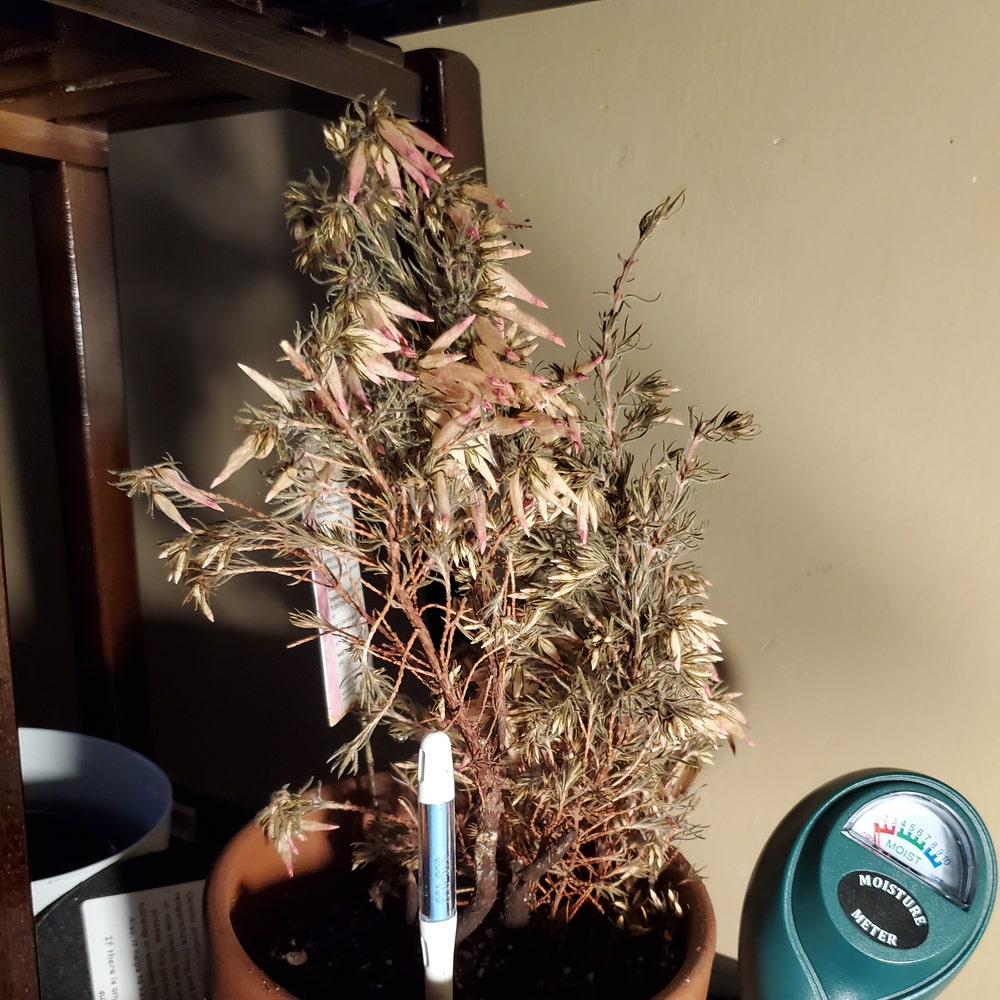
Limp leaves and a swampy demeanor are your Wax Heath's cry for help. A soggy plant is a sad plant, and those black or gray spots? Unwelcome guests at the moisture party, also known as mold and mildew. It's not just about looks; it's about health. Overly dewy leaves are a distress signal—it's time to dial down the humidity.
💨 Dehumidifiers: When Less is More for Your Wax Heath
When your tropical friend feels like it's living in a rainforest, a dehumidifier is your go-to gadget. Set it to maintain that 40-60% humidity sweet spot. It's about finding balance—too little, and you're back to square one with a parched plant. Use the hygrometer to keep things in check, and adjust as needed. Remember, your goal is a comfortable habitat, not a desert.
🌬 Airflow and Your Plant: Breezy Does It
Ventilation is key. A gentle breeze from a cracked window or a strategically placed fan can work wonders. It's not about creating a gale-force wind, but about circulating air to discourage mold and mildew. Think of it as giving your plant room to breathe. And those simple hacks like using lids while cooking or taking shorter showers? They're not just for your plant's benefit—they make your living space more pleasant too.
⚠️ Safety First
This content is for general information and may contain errors, omissions, or outdated details. It is not medical, veterinary advice, or an endorsement of therapeutic claims.
Always consult a qualified healthcare professional before using any plant as food, medicine, or supplement.
Never eat any plant (or feed one to pets) without confirming its identity with at least two trusted sources.
If you suspect poisoning, call Poison Control (800) 222-1222, the Pet Poison Helpline (800) 213-6680, or your local emergency service immediately.
Spotted an error? Please report it here.
Keep your Wax Heath at its healthiest by hitting that sweet spot of 40-50% humidity, and let Greg's alerts 🌿 help you monitor and manage your home's moisture levels with ease.