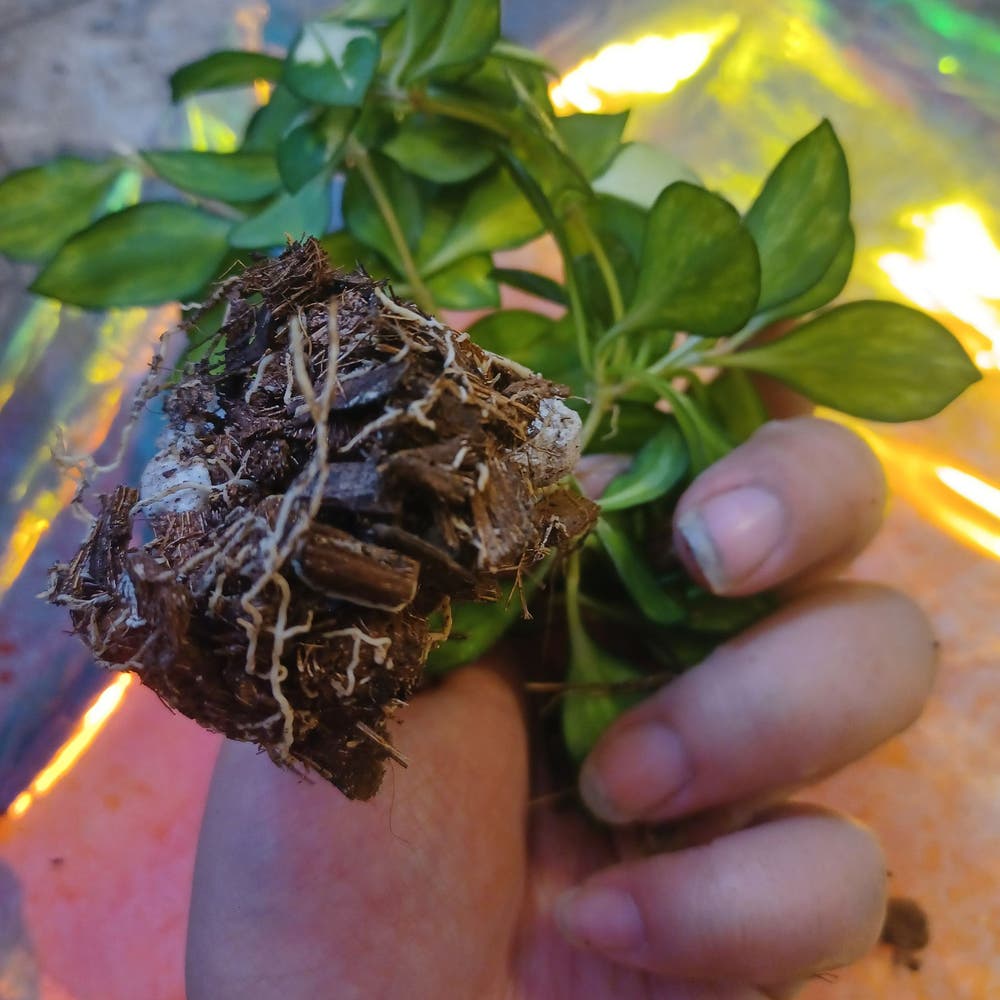
What Temperature Does My Variegated Hoya heuschkeliana Need?
Hoya heuschkeliana 'Variegata'
By the Greg Editorial Team
Jun 18, 2024•3 min read
This article was created with the help of AI so we can cover more plants for you. May contain errors. See one? Report it here.
- 65-85℉ (18-29℃) is ideal for Variegated Hoya heuschkeliana's health and blooms.
- 🍂 Watch for yellowing or withered leaves to spot temperature stress.
- Seasonal care adjustments ensure year-round Hoya happiness.
Dialing in the Perfect Temperature
🌡️ The Sweet Spot: Ideal Temperature Range
Finding the ideal temperature for your Variegated Hoya heuschkeliana is like unlocking a secret garden. Thriving in a range of 65-85℉ (18-29℃), this plant demands a stable climate to flourish. Consistency is your best friend here; it's what sets the stage for those coveted, vibrant blooms.
🌡️ When Things Heat Up or Cool Down: Recognizing Temperature Stress
Your Hoya's leaves are the tell-tale signs of temperature distress. Yellowing or withered leaves scream too hot or too cold. Sunburned spots? Too much direct light. Leathery leaves? Your Hoya's crying out from dehydration. Keep an eye out for these symptoms, as they're your first clue that the temperature needs tweaking.
Remember, straying from the sweet spot can lead to a lack of flowers or, worse, a weakened plant. Stability is key; sudden changes are as welcome as a snowstorm in July. Keep it steady, and your Hoya will reward you with a spectacle of blooms.

Keeping Your Cool (or Warmth): Managing Temperature for Your Hoya
🏡 Home Adjustments for Hoya Happiness
Location matters when it comes to your Variegated Hoya heuschkeliana's comfort. Steer clear of air conditioning vents and frosty windows to avoid an unwelcome cold snap. These spots can be significantly cooler, causing your Hoya stress.
Appliances can be allies or adversaries in the quest for the perfect temperature. Heaters and air conditioners are useful but can lead to unwanted hot or cold zones. It's about finding that Goldilocks zone where your Hoya can thrive without drama.
🌦️ Seasonal Shifts: Adapting to Changes
Summer brings the heat, and your Hoya loves a bit of warmth. However, don't let it turn into a sauna. Keep it in a spot with stable temperatures, away from the harsh midday sun.
Winter can be tricky. Your Hoya prefers it a tad cooler but not cold. Keep it away from windows that can turn into iceboxes overnight. If your home gets dry, consider a humidifier to maintain that tropical ambiance without going overboard.
Remember, your Hoya's not after a rollercoaster ride of temperature swings. Keep it steady, and you'll both be happier for it.

When Trouble Strikes: Troubleshooting Temperature Issues
🌡️ Quick Fixes for Temperature Tantrums
If your Variegated Hoya heuschkeliana starts throwing a temperature tantrum, don't panic. Act fast by moving it away from extreme conditions—be it a drafty window or a sun-scorched sill.
Immediate Actions
- Relocate your Hoya to a stable environment, ideally between 65-85℉.
- Increase air circulation gently to cool it down, but dodge strong drafts like you'd avoid spoilers for your favorite show.
- Hydrate if it's dry; water thoroughly, but only when the soil is dry to the touch.
- Mist leaves in low humidity, but only as a morning ritual to avoid fungal nightlife.
- Consider a humidifier to maintain a tropical ambiance, especially during the Sahara-like winter months.
Long-Term Strategies
- Pebble trays: a simple, wallet-friendly way to up the humidity without the fuss.
- Avoid cold drafts: keep your Hoya away from air conditioning vents and windows that double as ice packs.
- Humidifiers: not just for your skincare routine; they're a Hoya's best friend for keeping that dewy complexion.
- Thermostats: invest in a programmable one to keep the room within the Hoya-happy range of 59-86°F (15-30°C). Your plant will reward you with less drama and more lush growth.

⚠️ Safety First
This content is for general information and may contain errors, omissions, or outdated details. It is not medical, veterinary advice, or an endorsement of therapeutic claims.
Always consult a qualified healthcare professional before using any plant as food, medicine, or supplement.
Never eat any plant (or feed one to pets) without confirming its identity with at least two trusted sources.
If you suspect poisoning, call Poison Control (800) 222-1222, the Pet Poison Helpline (800) 213-6680, or your local emergency service immediately.
Spotted an error? Please report it here.
Keep your Variegated Hoya heuschkeliana thriving 🌡 with Greg's personalized environment tracking, ensuring it always has the ideal temperature for those stunning blooms.